Polishing Machine Guide: Basics, Uses, Components, and Working Principles
A polishing machine is a mechanical or electrically powered machine used to improve the surface condition of materials such as metal, wood, plastic, glass, and stone. A polishing machine guide helps explain how these machines work, what components they contain, and how different polishing methods are applied in practical settings.
Polishing developed from manual surface finishing methods in which abrasive materials were rubbed against an object to remove marks, rough areas, oxidation, or uneven sections. As manufacturing processes became more organized, powered machines were introduced to provide controlled movement and consistent contact between an abrasive or polishing medium and the workpiece.
Modern polishing machines range from small handheld units to large industrial systems. Some use rotating wheels or discs, while others use belts, brushes, pads, or automated polishing heads. The basic principle remains similar: controlled mechanical contact gradually changes the surface of a material.
What a Polishing Machine Does
A polishing machine generally performs surface treatment rather than changing the basic shape of a component. Depending on the equipment and polishing medium, it can remove fine surface marks, smooth uneven areas, reduce oxidation, or create a particular surface appearance.
The result depends on several factors, including material type, abrasive grade, rotational speed, pressure, polishing compound, contact time, and operator technique. Different materials therefore require different combinations of equipment and process settings.
Common Types of Polishing Machines
Several machine designs are used for different applications:
- Rotary polishing machines use rotating wheels, discs, or pads.
- Belt polishing machines use an abrasive belt moving continuously around rollers.
- Vibratory polishing machines use vibration and polishing media to treat multiple small components.
- Automatic polishing machines use programmed movement for repeated processing.
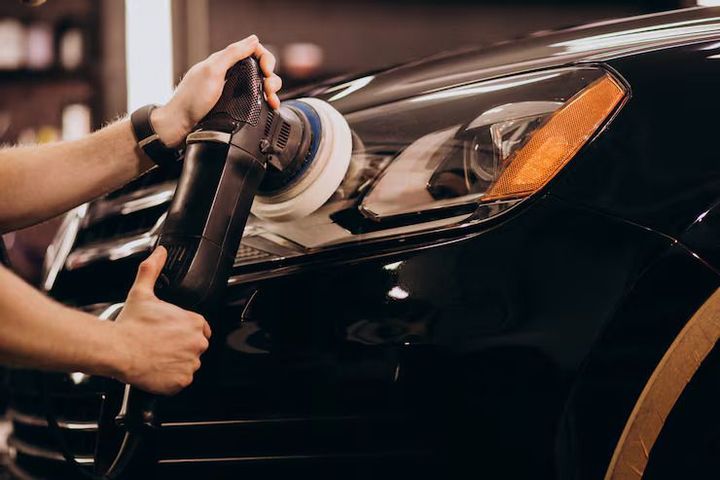
- Handheld polishers are compact machines that allow an operator to guide the polishing head manually.
The selection of a machine depends on the material, component shape, required surface condition, production method, and level of automation.
Importance
Surface condition can affect the appearance, cleanliness, friction, corrosion behavior, and functional performance of many manufactured components. Polishing is therefore used across metalworking, automotive production, toolmaking, furniture production, medical equipment manufacturing, electronics, jewelry processing, and other areas.
For everyday users, polishing can be relevant to objects such as metal fixtures, household hardware, vehicle components, furniture surfaces, and decorative items. In industrial environments, controlled polishing can help prepare surfaces for later processes such as coating, plating, inspection, or assembly.
Problems Addressed by Polishing
Unprocessed surfaces can contain machining marks, scratches, burrs, oxidation, discoloration, or other irregularities. A suitable polishing process can reduce some of these surface conditions without requiring the entire component to be reshaped.
Polishing can also provide a more uniform surface appearance. In some applications, surface smoothness has a functional role because irregular surfaces may affect contact between components or make cleaning more difficult.
Factors That Affect Results
The same machine can produce different results depending on how it is operated. Important factors include:
- Material hardness and composition
- Abrasive type and grain size
- Wheel, belt, brush, or pad selection
- Machine speed
- Applied pressure
- Contact duration
- Polishing compound
- Workpiece shape and size
- Heat generated during operation
Excessive pressure or inappropriate speed can create heat and surface damage. Insufficient contact or unsuitable abrasive selection may produce uneven results.
Recent Updates
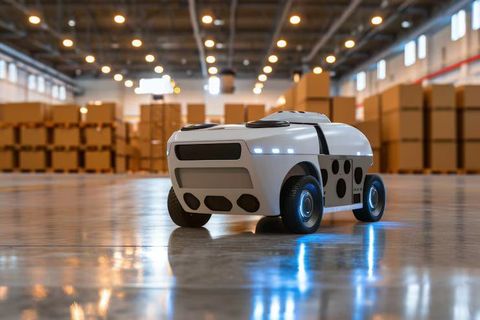
Between 2024 and 2026, polishing technology has continued moving toward greater automation, process monitoring, and integration with digital manufacturing systems. Automated polishing equipment can use programmed paths, sensors, robotic arms, and electronic controls to repeat surface-treatment operations with less variation between cycles.
Robotic polishing is particularly relevant for components with complex shapes. Machine-controlled movement can help maintain a defined path and pressure while reducing the amount of continuous manual movement required.
Another development is the increasing use of monitoring systems. Sensors and digital controls can track factors such as spindle speed, machine load, vibration, or process conditions. These measurements can help operators identify unusual machine behavior and maintain process records.
BIS has also continued updating and expanding information related to machinery and abrasive-product standards. Its current standards resources include provisions covering bonded abrasive products, abrasive wheels, grinding-wheel mounting, and related safety topics.
BIS information also lists IS 4665: Part 2: Section 3: 2023 for particular safety requirements covering grinders, polishers, and disk-type sanders among hand-held motor-operated electric tools.
Automation and Process Control
Automated polishing systems may combine programmable controllers with mechanical positioning equipment. Some systems can repeat predefined movement patterns, while more advanced installations can adjust movement based on measurements from sensors.
This trend is connected with broader manufacturing developments involving robotics, digital monitoring, and automated quality control. The exact capabilities vary considerably between machine types.
Abrasive Technology
Abrasive materials remain central to polishing. Manufacturers use different abrasive grains, backing materials, wheels, discs, belts, and compounds according to the workpiece and required surface condition.
Standards covering abrasive products continue to provide technical terminology, dimensional information, marking requirements, and other specifications. These standards help create consistent technical references across the industry.
Laws or Policies
In India, machinery used in factories is subject to occupational safety requirements. The Factories Act, 1948 includes provisions concerning the safe operation of revolving machinery and abrasive wheels. For grinding operations, the Act specifies that information concerning maximum safe peripheral speed, spindle speed, and related pulley dimensions must be displayed, and the specified safe speed must not be exceeded.
The Act also places general duties on factory occupiers concerning worker health, safety, welfare, safe plant and systems of work, information, instruction, training, supervision, and safe working environments.
India is also implementing the Occupational Safety, Health and Working Conditions Code framework. The Ministry of Labour and Employment provides the relevant Code and Central Rules along with explanatory material. State-level requirements and applicable rules can vary according to the workplace and industrial activity.
BIS standards may also be relevant to particular machines, abrasive products, or electrical equipment. BIS explains that its certification framework is generally voluntary, while certain products become subject to mandatory requirements through government-issued Quality Control Orders or other applicable measures.
These rules and standards should be checked against the exact machine, workplace, material, and application. General information about polishing machines does not replace applicable workplace safety instructions or technical requirements.
Tools and Resources
Several resources can help readers understand polishing machines and related processes.
Abrasive Selection References
Abrasive charts and manufacturer technical manuals can help explain grain types, abrasive grades, backing materials, and suitable applications. These references are useful when comparing abrasive options for different materials.
Machine Manuals
A machine manual normally contains information about controls, operating limits, components, maintenance intervals, safety precautions, and compatible accessories. The manual should be treated as the primary technical reference for a particular machine model.
BIS Standards Resources
The Bureau of Indian Standards provides a “Know Your Standard” portal where users can search Indian Standards by standard number or keyword. The platform can provide access to standard documents, amendments, testing information, and related material.
BIS also maintains information concerning machine safety certification and product-specific guidelines. Its current certification resources include machinery-related safety information under Scheme-X.
Basic Process Records
A simple polishing process record can contain:
| Process factor | Example information to record |
|---|---|
| Workpiece | Material and component type |
| Abrasive | Wheel, belt, pad, or compound |
| Abrasive grade | Grain size or specification |
| Machine speed | Rated operating speed |
| Pressure | Light, moderate, or controlled pressure |
| Processing time | Approximate contact duration |
| Surface result | Visual or measured condition |
| Inspection | Observed marks, scratches, or defects |
Such records can help compare process conditions and identify changes when the surface result varies.
FAQs
What is a polishing machine?
A polishing machine is equipment that uses controlled mechanical movement and an abrasive or polishing medium to improve the surface condition of a material. Machines may use wheels, discs, belts, brushes, pads, or other polishing media.
How does a polishing machine work?
A polishing machine moves an abrasive or polishing medium against a workpiece at a controlled speed and pressure. The interaction gradually removes small surface irregularities or changes the surface texture.
What are the main components of a polishing machine?
Common components include a motor, spindle or drive system, polishing wheel or pad, workpiece support, guards, controls, frame, and sometimes a dust-collection or coolant system. The exact components vary by machine design.
Which materials can a polishing machine process?
Polishing machines can be designed for materials such as stainless steel, aluminum, brass, copper, plastics, wood, glass, and stone. The abrasive and machine configuration must correspond to the material being processed.
What safety precautions are important when using a polishing machine?
Important precautions include following the machine manual, checking abrasive components before use, maintaining appropriate operating speed, using required guards, controlling dust and debris, and wearing suitable protective equipment. Workplace rules should also be followed, particularly where rotating machinery or abrasive wheels are involved.
Conclusion
A polishing machine uses controlled mechanical action to modify and improve the surface condition of a workpiece. Its main components and operating principles vary according to machine design, material, abrasive type, and application. Recent developments have increased the use of automation, sensors, programmable controls, and digital process monitoring. In India, workplace safety requirements and relevant BIS standards provide important references for the safe use and technical understanding of polishing equipment.