Predictive Technology: Applications, Technologies and Industry Insights
Predictive technology is transforming how organizations analyze information, anticipate future events, and make informed decisions.
By combining data analysis, artificial intelligence, machine learning, and advanced analytics, predictive technology helps identify patterns and forecast potential outcomes before they occur.
Today, predictive technology is used across healthcare, manufacturing, finance, transportation, cybersecurity, retail, and many other sectors. From forecasting equipment failures to predicting customer behavior and optimizing energy consumption, these technologies support smarter planning and improved operational efficiency.
As data volumes continue to grow, predictive technology is becoming an increasingly important part of modern digital transformation strategies and intelligent decision-making systems.
Quick Facts Table
| Topic | Purpose | Key Technologies | Main Benefits | Common Applications |
|---|---|---|---|---|
| Predictive Technology | Forecast future events and support decision-making | Artificial Intelligence, Machine Learning, Predictive Analytics, Big Data Platforms, Digital Twins | Improved forecasting, risk reduction, operational efficiency, better planning | Healthcare, manufacturing, transportation, cybersecurity, energy, retail |
What Is Predictive Technology?
Predictive technology refers to technologies and analytical methods that use historical and real-time data to forecast future outcomes, behaviors, trends, or events.
These technologies analyze patterns, identify relationships within data, and generate predictions that help organizations make proactive decisions. Predictive technology often combines artificial intelligence, machine learning, statistical modeling, and advanced analytics platforms.
Why Is Predictive Technology Important?
Traditional decision-making often relies on historical reports and reactive responses. Predictive technology enables organizations to anticipate challenges and opportunities before they occur.
Its importance includes:
- Improving forecasting accuracy
- Supporting proactive planning
- Enhancing operational efficiency
- Reducing unexpected disruptions
- Improving resource allocation
- Strengthening risk management
- Supporting strategic decision-making
- Increasing operational visibility
Predictive Technology Facts
- Artificial intelligence is increasing the accuracy of predictive models.
- Predictive analytics is becoming common across multiple industries.
- Digital twin technologies support simulation and forecasting.
- Real-time data processing improves prediction quality.
- Predictive maintenance is reducing unexpected equipment failures.
- Cloud platforms enable large-scale predictive analysis.
- Automation technologies increasingly rely on predictive intelligence.
Major Predictive Technologies
- Predictive Analytics
- Machine Learning
- Artificial Intelligence
- Digital Twin Technology
- Big Data Analytics
- Natural Language Processing
- Computer Vision
- Predictive Maintenance Platforms
- Intelligent Monitoring Systems
- Risk Assessment Platforms
- Business Intelligence Tools
- Data Visualization Technologies
- Forecasting Platforms
- Behavioral Analytics
- Real-Time Data Processing Systems
Technology Comparison Table
| Technology | Complexity | Scalability | Typical Applications |
|---|---|---|---|
| Predictive Analytics | Medium | High | Business Forecasting |
| Machine Learning | High | High | Pattern Recognition |
| Artificial Intelligence | High | High | Intelligent Decision Support |
| Digital Twins | Medium | High | Asset Monitoring |
| Behavioral Analytics | Medium | Medium | User Activity Analysis |
| Computer Vision | High | Medium | Visual Inspection |
| Predictive Maintenance | Medium | High | Equipment Monitoring |
Understanding the Concept
Predictive technology works by collecting large amounts of data and identifying patterns that may indicate future events. Advanced algorithms analyze these patterns to estimate probable outcomes.
Unlike descriptive analytics, which explains what happened, predictive technology focuses on what is likely to happen next. This capability allows organizations to make proactive decisions rather than reactive responses.
As organizations generate more data than ever before, predictive systems are becoming essential tools for improving efficiency, performance, and planning.
What Is Predictive Analytics?
Predictive analytics uses historical data, statistical methods, and advanced algorithms to forecast future outcomes and trends.
Organizations use predictive analytics to support planning, risk assessment, demand forecasting, and performance optimization.
What Is Machine Learning?
Machine learning is a branch of artificial intelligence that enables systems to learn from data and improve predictions over time without explicit programming for every scenario.
What Is a Digital Twin?
A digital twin is a virtual representation of a physical object, system, or process. Digital twins allow organizations to simulate operations and predict future performance.
What Is Predictive Maintenance?
Predictive maintenance uses sensors, analytics, and machine learning models to identify potential equipment issues before failures occur.
Key Features and Core Components
Predictive technology solutions commonly include:
- Data collection systems
- Artificial intelligence models
- Machine learning algorithms
- Predictive analytics platforms
- Data processing engines
- Visualization dashboards
- Monitoring systems
- Forecasting tools
- Risk assessment frameworks
- Digital twin platforms
- Automation technologies
- Real-time analytics systems
Industry Applications Table
| Industry | Application |
|---|---|
| Healthcare | Patient outcome forecasting |
| Manufacturing | Predictive maintenance |
| Energy | Demand forecasting |
| Transportation | Route optimization |
| Cybersecurity | Threat prediction |
| Retail | Inventory forecasting |
| Banking | Fraud detection |
| Agriculture | Crop yield forecasting |
| Telecommunications | Network performance monitoring |
| Logistics | Supply chain optimization |
How Predictive Technology Works
- Data is collected from sensors, systems, platforms, and databases.
- Information is cleaned and organized for analysis.
- Machine learning models analyze historical patterns.
- Predictive algorithms identify relationships within data.
- Forecasts and probability estimates are generated.
- Results are presented through dashboards and reports.
- Decision-makers use insights to guide actions.
- Models continuously improve as additional data becomes available.
Benefits and Advantages
Predictive technology provides numerous advantages:
- Better forecasting accuracy
- Improved operational efficiency
- Enhanced decision-making
- Reduced operational risks
- Better resource management
- Increased productivity
- Improved customer experiences
- Faster problem identification
- Better strategic planning
- Enhanced performance monitoring
- Improved asset management
- Greater organizational agility
Real-World Examples and Applications
Example: Manufacturing Equipment Monitoring
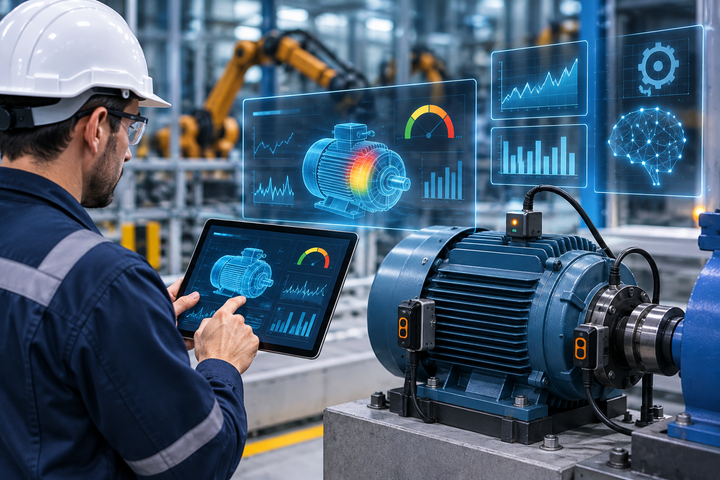
A manufacturing facility uses predictive maintenance systems to monitor machine vibration, temperature, and performance data. Analytics platforms identify potential failures before production interruptions occur.
Example: Healthcare Forecasting
Healthcare organizations analyze patient data to anticipate treatment requirements and improve resource planning.
Example: Energy Demand Forecasting
Utility operators use predictive analytics to estimate future electricity demand and optimize energy generation strategies.
Example: Transportation Planning
Transportation providers analyze traffic patterns and historical data to improve route planning and scheduling.
Example: Cybersecurity Threat Detection
Security teams use behavioral analytics and artificial intelligence to identify unusual activities that may indicate cyber threats.
Important Factors to Consider
Organizations implementing predictive technologies should evaluate:
- Data quality
- Data availability
- System scalability
- Privacy requirements
- Integration complexity
- Model accuracy
- Infrastructure readiness
- Regulatory compliance
- User training needs
- Long-term maintenance requirements
Common Challenges and Solutions
| Challenge | Impact | Solution |
|---|---|---|
| Poor Data Quality | Inaccurate Predictions | Data Validation |
| Limited Historical Data | Reduced Accuracy | Expanded Data Collection |
| Model Complexity | Implementation Difficulty | Simplified Frameworks |
| Data Silos | Incomplete Insights | Data Integration |
| Changing Conditions | Prediction Variability | Continuous Model Updates |
Best Practices for Predictive Technology
- Maintain high-quality data sources.
- Monitor model performance regularly.
- Update predictive models frequently.
- Integrate multiple data sources.
- Utilize automation where appropriate.
- Establish clear forecasting objectives.
- Validate prediction accuracy.
- Strengthen data governance practices.
- Train personnel on analytical tools.
- Continuously improve predictive frameworks.
Future Trends and Industry Insights
Artificial Intelligence Expansion
AI technologies are expected to enhance forecasting accuracy and support more advanced decision-making capabilities.
Real-Time Predictive Analytics
Organizations increasingly require immediate insights generated from continuously updated data streams.
Digital Twin Adoption
Digital twins are expected to become more common across manufacturing, energy, healthcare, and transportation sectors.
Autonomous Decision Support
Future systems may automatically recommend actions based on predictive outcomes and operational objectives.
Behavioral Analytics Growth
Behavioral analytics technologies will continue expanding across cybersecurity, healthcare, and customer experience applications.
Edge Computing Integration
Edge computing allows predictive analysis to occur closer to data sources, improving speed and responsiveness.
Intelligent Automation
Automation systems increasingly rely on predictive intelligence to improve operational efficiency and adaptability.
Expert Insights
Predictive technology is becoming a core component of modern digital transformation initiatives. Organizations increasingly depend on predictive intelligence to improve planning, reduce uncertainty, and optimize operations.
As artificial intelligence, machine learning, and advanced analytics continue to evolve, predictive technologies are expected to become more accurate, accessible, and integrated into everyday business and operational processes. The ability to anticipate future events and make proactive decisions will remain a significant advantage across industries.
Key Takeaways
- Predictive technology forecasts future outcomes using data and analytics.
- Artificial intelligence and machine learning play central roles.
- Predictive analytics supports better planning and decision-making.
- Predictive maintenance helps reduce equipment disruptions.
- Digital twins improve monitoring and simulation capabilities.
- Real-time analytics enhances forecasting accuracy.
- Multiple industries benefit from predictive technologies.
- Future developments will focus on automation and intelligent decision support.
Frequently Asked Questions (FAQ)
What is predictive technology?
Predictive technology uses data, analytics, and artificial intelligence to forecast future events and outcomes.
How does predictive technology work?
It analyzes historical and real-time data to identify patterns and generate forecasts.
What is predictive analytics?
Predictive analytics uses statistical models and algorithms to estimate future outcomes.
What is predictive maintenance?
Predictive maintenance identifies potential equipment issues before failures occur.
What industries use predictive technology?
Healthcare, manufacturing, transportation, cybersecurity, energy, retail, banking, and logistics.
What role does artificial intelligence play?
Artificial intelligence improves prediction accuracy and supports advanced decision-making.
What is a digital twin?
A digital twin is a virtual model used to simulate and monitor physical systems.
Why is data quality important?
Accurate predictions depend on reliable and high-quality data.
What are the benefits of predictive technology?
Benefits include improved forecasting, efficiency, planning, and risk management.
What challenges affect predictive systems?
Common challenges include poor data quality, limited historical information, and integration complexity.
What is behavioral analytics?
Behavioral analytics studies patterns in user or system behavior to support predictions.
How does machine learning improve predictions?
Machine learning continuously learns from data and improves model performance.
What is real-time predictive analytics?
Real-time predictive analytics generates forecasts using continuously updated information.
Can predictive technology improve cybersecurity?
Yes, predictive technologies help identify unusual activities and potential threats.
What is the future of predictive technology?
Future developments include stronger AI integration, digital twins, intelligent automation, and real-time decision support.
Conclusion
Predictive technology is reshaping how organizations analyze information, forecast future outcomes, and make strategic decisions. Through artificial intelligence, machine learning, predictive analytics, and digital twin technologies, organizations can gain valuable insights that improve efficiency, planning, and operational performance.
As data volumes continue to increase and analytical technologies become more sophisticated, predictive technology will play an increasingly important role across industries. Understanding these technologies provides valuable insight into the future of intelligent decision-making, automation, and data-driven innovation.