Pressure Testing Machines: Complete Guide to Basics and Operation Insights
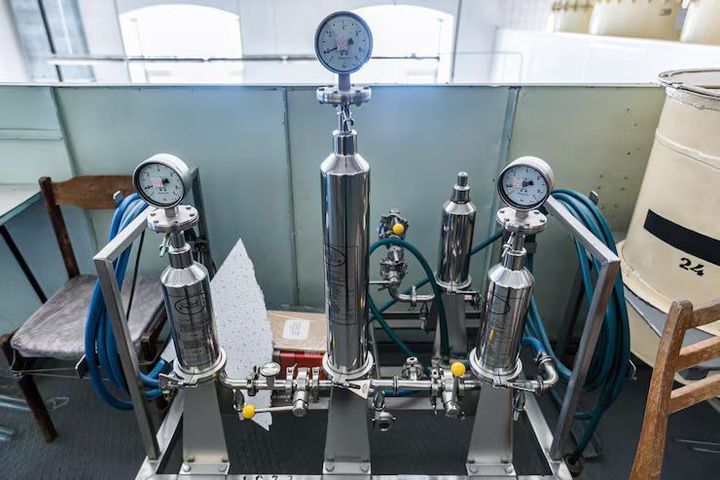
Pressure testing machines are devices designed to evaluate the strength, durability, and performance of materials, components, or systems under controlled pressure conditions. These machines are widely used across industries such as manufacturing, construction, oil and gas, and automotive to ensure that pipelines, valves, tanks, and other equipment can withstand operational pressures without failure.
Pressure testing machines are used to evaluate the strength, integrity, and leak resistance of components by applying controlled pressure. This pressure may be applied hydrostatically (using liquids) or pneumatically (using air or gas).
These machines help identify leaks, weak points, and structural defects, ensuring that equipment performs safely under real-world conditions.
Why Pressure Testing Machines Are Important
Pressure testing machines are essential in modern engineering and industrial operations. They ensure that systems operate safely and efficiently under pressure conditions.
Key Benefits
- Safety Assurance: Verifies that pipes, tanks, and vessels can handle operational pressure
- Quality Control: Detects defects, weak joints, and leaks before deployment
- Regulatory Compliance: Helps meet industry safety standards and legal requirements
- Operational Efficiency: Prevents unexpected failures and costly downtime
- Research and Development: Supports testing of new materials and product designs
Industries such as oil and gas, chemical processing, and water systems rely heavily on these machines.
Recent Updates and Trends (2025–2026)
Pressure testing technology has advanced with the integration of digital systems and smarter safety features. These updates improve accuracy, efficiency, and safety.
Digital Integration
Modern machines now include digital sensors and automated data logging. IoT connectivity allows real-time monitoring and analysis of test results.
Environmental Improvements
New systems focus on reducing water usage in hydrostatic testing. They also minimize waste and promote eco-friendly testing processes.
Enhanced Safety Features
Advanced safety mechanisms include:
- Automatic shutdown systems
- Pressure relief valves
- Real-time alerts for abnormal conditions
Industry 4.0 Adoption
Integration with cloud platforms enables:
- Predictive maintenance
- Remote diagnostics
- Data-driven decision-making
Expanded Material Testing
Pressure testing is now applied to a wider range of materials, including:
- Plastics
- Composites
- Advanced engineered materials
Technology Impact Overview
| Feature | Benefit |
|---|---|
| Digital Sensors | Accurate real-time monitoring |
| IoT Connectivity | Remote access and analytics |
| AI Fault Detection | Early identification of failures |
| Safety Automation | Reduced risk for operators |
Regulatory Framework and Policies
Pressure testing is governed by strict standards to ensure safety and consistency. Compliance is essential for industrial operations.
Key Standards and Guidelines
- International Standards: ASME and ISO define testing procedures and equipment requirements
- National Safety Regulations: OSHA and similar bodies enforce safe operation practices
- Documentation Requirements: Detailed reports, calibration records, and certifications are required
- Environmental Regulations: Guidelines for safe disposal of testing fluids and materials
Following these regulations ensures both safety and legal compliance.
Tools, Software, and Resources
A range of tools supports pressure testing operations and improves accuracy and efficiency. These tools are widely used by engineers and technicians.
Essential Tools
- Digital Pressure Gauges: Provide accurate readings and data integration
- Hydraulic Test Pumps: Used for hydrostatic testing of pipelines and tanks
- Simulation Software: Tools like ANSYS and SolidWorks for stress analysis
- Data Logging Systems: Record and analyze test results
- Calibration Equipment: Ensures measurement accuracy
Tools Overview Table
| Tool/Resource | Purpose |
|---|---|
| Digital Pressure Gauge | Accurate measurement and data logging |
| Hydraulic Test Pump | Hydrostatic testing of pipes and vessels |
| Simulation Software | Virtual testing and stress analysis |
| Data Logging Systems | Record and generate test reports |
| Calibration Equipment | Maintain precision and compliance |
| Industry Publications | Learn trends and best practices |
These resources help optimize testing processes and reduce errors.
Frequently Asked Questions
What is the difference between hydrostatic and pneumatic testing?
Hydrostatic testing uses liquid (usually water) to apply pressure and is generally safer. Pneumatic testing uses air or gas and is faster but requires stricter safety precautions.
How often should machines be calibrated?
Calibration is typically done annually or after heavy use. This ensures accuracy and compliance with standards.
Can all materials be tested?
Yes, but testing methods vary depending on the material. Metals, plastics, and composites each require specific approaches.
What safety precautions are necessary?
- Use protective equipment
- Follow standard procedures
- Ensure proper calibration
- Monitor pressure levels continuously
How is testing data used?
Test data helps identify defects and weak points. It allows engineers to plan maintenance and avoid unexpected failures.
Conclusion
Pressure testing machines are critical for ensuring the safety, reliability, and performance of industrial systems. They help detect defects, prevent failures, and maintain operational efficiency across various industries.
With advancements in digital technology, automation, and safety systems, pressure testing continues to evolve. Understanding these machines, their tools, and regulatory requirements is essential for engineers and industry professionals aiming to maintain high safety and quality standards.