Rail Guided Vehicles (RGV): Complete Guide to Industrial Automation Systems
Rail Guided Vehicles (RGVs) are automated material handling systems that move along fixed rails inside factories, warehouses, and distribution centers. They are designed to transport raw materials, components, and finished goods efficiently within industrial environments.
Rail Guided Vehicles (RGVs) are automated material handling systems designed to move goods along fixed rail paths within industrial environments. They are widely used in modern manufacturing and warehouse operations to improve efficiency and consistency.
As production complexity and output demands increase, manual transport methods have become less effective. RGV systems provide structured routing, predictable movement, and reliable positioning, making them essential in automated facilities.
Unlike Automated Guided Vehicles (AGVs), which navigate freely using sensors, RGVs operate on predefined rails. This fixed-path design ensures higher speed, stability, and precision in linear production workflows.
Common Applications
RGVs are widely used across industries that require high efficiency and controlled material flow. Key application areas include:
- Automotive manufacturing plants
- Semiconductor production facilities
- E-commerce fulfillment centers
- Heavy industrial assembly lines
- Cold storage warehouses
Core Components of an RGV System
An RGV system consists of several integrated components that ensure smooth and efficient operation:
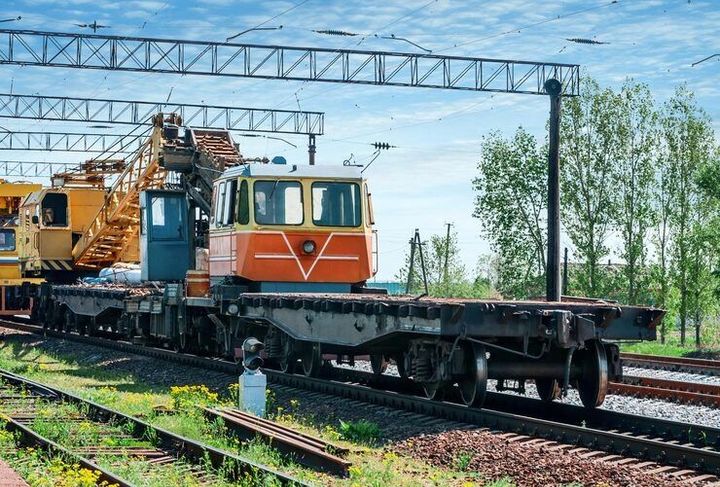
- Rail tracks
- Drive motors and control systems
- Onboard sensors
- Central control software
- Loading and unloading mechanisms
Importance
Rail Guided Vehicles play a critical role in modern supply chain management and smart manufacturing. With the rise of Industry 4.0, automation in internal logistics has become a priority for businesses worldwide.
These systems help industries meet increasing production demands while addressing workforce shortages and maintaining high precision in operations. They also contribute to safer working environments by reducing manual handling.
Key Benefits of RGV Systems
RGVs address several operational challenges, including:
- Reducing manual material transport
- Minimizing workplace accidents
- Improving production consistency
- Enhancing inventory tracking integration
- Supporting high-volume distribution
Industries That Benefit Most
Several industries gain significant advantages from RGV implementation:
- Automotive production using just-in-time systems
- Semiconductor manufacturing requiring cleanroom transport
- Logistics centers with high-density storage
- Food and beverage production in controlled environments
Integration with Automation Systems
RGVs are often integrated with other industrial technologies to improve efficiency:
- Warehouse Management Systems (WMS)
- Programmable Logic Controllers (PLC)
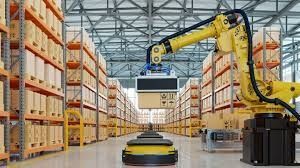
- Robotics systems
- Conveyor systems
- Automated Storage and Retrieval Systems (ASRS)
Recent Updates
In 2025, Rail Guided Vehicle systems are evolving rapidly with the integration of advanced technologies. Predictive maintenance powered by artificial intelligence is one of the most notable developments. These systems monitor equipment performance to reduce downtime and improve reliability.
Energy efficiency has also become a focus area, with manufacturers adopting regenerative braking systems to optimize power consumption. This trend supports sustainability goals in industrial operations.
Emerging Technology Trends
Modern RGV systems are increasingly connected to smart platforms that enhance performance:
- Real-time vehicle tracking
- Data analytics dashboards
- Remote diagnostics
- Performance optimization insights
Digital Twin and IoT Integration
Digital twin technology is being used to simulate RGV operations in virtual environments. This allows businesses to optimize layout planning and forecast capacity requirements more accurately.
Cloud-based Industrial IoT platforms also enable centralized monitoring and control, improving decision-making and operational visibility.
Cybersecurity Considerations
As RGV systems connect to enterprise networks, cybersecurity has become a key concern. Organizations are strengthening industrial network security to protect operational technology systems from potential threats.
Laws and Policies
Rail Guided Vehicles operate under various safety and compliance regulations depending on the region. These regulations ensure safe operation within industrial environments.
In the United States, facilities must comply with OSHA standards related to workplace safety and machine operation. In the European Union, machinery must meet CE marking and Machinery Directive requirements.
Key Regulatory Requirements
Important compliance considerations include:
- Machine guarding standards
- Emergency stop systems
- Electrical safety compliance
- Fire safety measures
- Load handling regulations
Global Policy Initiatives
Many countries are promoting industrial automation through government initiatives:
- Industry 4.0 programs in Germany
- Advanced manufacturing initiatives in the United States
- Smart factory policies in Japan and South Korea
Data protection laws also apply when RGV systems integrate with cloud-based platforms.
Tools and Resources
Various tools support the design, management, and optimization of RGV systems. These technologies help improve operational efficiency and system performance.
Common Software and Platforms
- Warehouse Management Systems (WMS)
- Enterprise Resource Planning (ERP) systems
- Industrial IoT dashboards
- PLC programming software
- Simulation and digital twin tools
- Predictive maintenance platforms
Comparison of Internal Transport Systems
| Feature | RGV System | AGV System | Conveyor System |
|---|---|---|---|
| Path Flexibility | Fixed Rail | Flexible | Fixed Line |
| Speed | High | Moderate | Moderate |
| Installation Complexity | Structured | Moderate | Structured |
| Best for Linear Production | Yes | Limited | Yes |
| High-Precision Positioning | Strong | Moderate | Strong |
Basic Workflow of an RGV System
- Receive transport request from WMS
- Assign task to available RGV
- Travel along predefined rail
- Perform automatic loading/unloading
- Return to standby or next task
Key Performance Metrics
- Throughput rate
- Downtime percentage
- Energy consumption
- Task completion time
- Maintenance intervals
FAQs
What is the main difference between RGV and AGV systems?
RGVs operate on fixed rails, while AGVs navigate freely using sensors or navigation technologies. RGVs are ideal for structured and linear environments.
Are RGV systems suitable for small warehouses?
They are typically more effective in medium to large facilities where high throughput and structured routing are required.
How do RGV systems improve workplace safety?
They reduce manual handling and limit human exposure to heavy loads and high-traffic areas, improving overall safety.
Can RGV systems integrate with smart factory software?
Yes, modern RGV systems integrate with WMS, ERP platforms, and IoT systems for improved automation and data visibility.
Which industries use RGV systems the most?
Industries such as automotive, electronics, logistics, food processing, and heavy manufacturing rely heavily on RGV systems.
Additional Insights on Industrial Automation
Rail Guided Vehicles are part of a broader shift toward automated material handling and digital supply chains. Businesses are increasingly focusing on efficiency, visibility, and sustainability.
Key Automation Focus Areas in 2025
| Automation Focus Area | Industry Priority |
|---|---|
| Smart Warehouse Technology | High |
| Predictive Maintenance | High |
| Energy Optimization | Moderate |
| Robotics Integration | High |
| Cybersecurity for OT | High |
These trends highlight the growing importance of structured and scalable automation systems like RGVs.
Conclusion
Rail Guided Vehicles are a vital component of modern industrial automation, enabling efficient and reliable material transport. Their structured design supports high-speed operations and seamless integration with digital systems.
With advancements in predictive maintenance, energy efficiency, and smart factory technologies, RGV systems continue to evolve. As industries pursue digital transformation, RGVs remain a dependable solution for improving internal logistics and operational performance.