Robot Components: Sensors, Actuators, Controllers – Complete Overview Guide
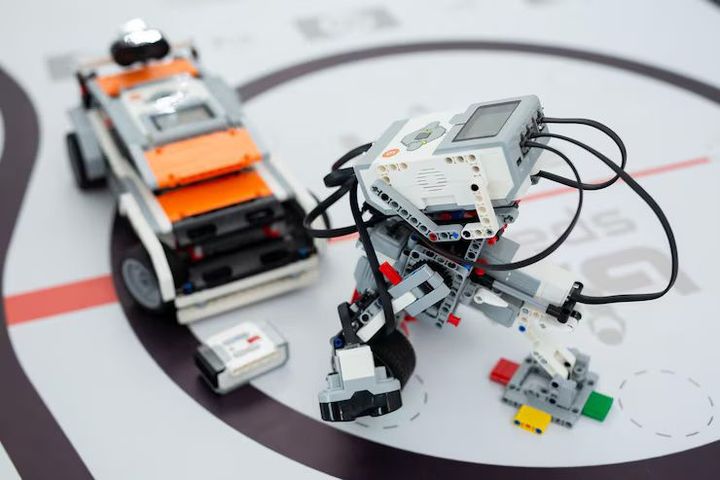
Robotics technology combines mechanical systems, electronics, and software to perform automated tasks. At the core of every robotic system are three fundamental components: sensors, actuators, and controllers. These elements work together to allow robots to perceive their environment, process information, and perform physical actions.
Robotics systems rely on a combination of core components that work together to perform tasks efficiently. These include sensors, controllers, and actuators, which form the foundation of modern robotic systems. Each component plays a specific role in enabling robots to interact with their environment.
Sensors gather data such as temperature, motion, and distance. Controllers process this information to make decisions, while actuators convert signals into physical movement.
Core Components of a Robotic System
A typical robotic system architecture includes several essential elements that operate in a continuous loop. These components ensure accurate and responsive robot behavior.
- Sensor systems that collect environmental data
- Control units that analyze inputs and execute instructions
- Actuation systems that perform movement or mechanical tasks
Together, these components create a feedback loop that allows robots to operate autonomously or semi-autonomously.
Why Robot Components Matter in Today’s Technology Landscape
Robot components are critical because they enable machines to perform tasks with precision, efficiency, and consistency. Modern industries rely on robotics automation to enhance productivity and reduce risks in hazardous environments.
These systems help solve challenges related to accuracy, safety, and operational efficiency. The integration of sensors, controllers, and actuators ensures reliable performance across various applications.
Key Industry Applications
Robotics components are widely used across multiple sectors, transforming how industries operate:
- Manufacturing automation for assembly lines and precision tasks
- Healthcare robotics for surgery and rehabilitation support
- Agricultural robotics for monitoring crops and automated harvesting
- Logistics automation for warehouse operations and inventory management
- Aerospace robotics for exploration and satellite maintenance
These applications highlight the growing importance of robotics in modern technology ecosystems.
How Components Work Together
Robotic systems operate through coordinated interaction between components. Each part contributes to executing complex tasks effectively.
- Sensors detect obstacles and environmental changes
- Controllers process data using algorithms or AI
- Actuators translate signals into motion
This collaboration allows robots to perform advanced tasks such as:
- Precision welding in industrial automation
- Autonomous navigation in mobile robots
- Medical imaging assistance in healthcare
- Quality inspection in smart manufacturing
Recent Developments in Robotics Components
Recent advancements have significantly improved the capabilities of robotic systems. Innovations in 2025 focus on enhancing efficiency, intelligence, and adaptability.
AI-powered sensors are becoming more common, enabling robots to recognize objects and adapt dynamically. These sensors combine machine vision with machine learning for improved performance.
Key Innovations
Several technological trends are shaping the future of robotics components:
- AI-driven sensor systems for intelligent perception
- Energy-efficient actuators with improved torque and precision
- Growth of collaborative robots (cobots) in manufacturing
- Miniaturized sensors for compact robotic devices
- Edge computing integration in robotic controllers
- Advanced force-feedback systems in surgical robotics
These developments are accelerating the adoption of robotics across industries.
Regulations and Policies Affecting Robotics Technology
Robotics technology is governed by safety standards and regulatory frameworks to ensure secure operation. These regulations focus on protecting workers and maintaining system reliability.
Countries worldwide have established guidelines for robotics safety, covering machine operation and ethical AI use. Compliance is essential for deploying robots in industrial and public environments.
Key Standards and Guidelines
Important regulatory frameworks include:
- ISO 10218 for industrial robot safety
- ISO/TS 15066 for collaborative robot safety
- IEC standards for electrical safety
- National workplace safety regulations
In India, robotics systems must comply with occupational safety and industrial laws. These frameworks help ensure safe and responsible use of automation technologies.
Tools and Resources for Understanding Robotics Components
Various tools and platforms support the design, simulation, and programming of robotic systems. These resources help engineers optimize performance and integration before deployment.
Robotics tools are essential for testing algorithms, calibrating sensors, and improving control systems.
Common Development Tools
- Robotics simulation platforms
- Motion control software
- Sensor calibration tools
- AI-based perception frameworks
- Embedded systems development kits
Popular Robotics Software Platforms
- ROS (Robot Operating System)
- Gazebo simulator
- MATLAB robotics toolbox
- SolidWorks for design
- Python-based AI frameworks
Key Robotics Components and Functions
The following table summarizes the primary components used in robotics systems:
| Component Type | Main Function | Common Technologies |
|---|---|---|
| Sensors | Collect environmental data | Cameras, LiDAR, ultrasonic sensors |
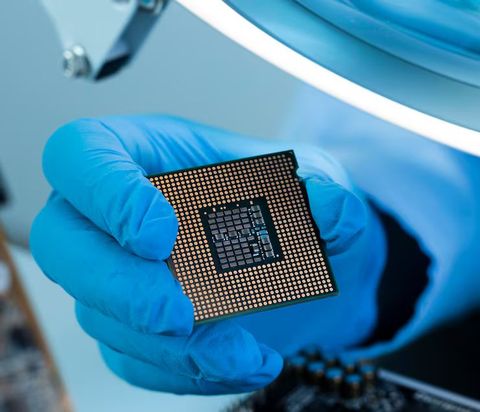
| Controllers | Process data and control behavior | Microcontrollers, embedded processors |
| Actuators | Produce movement or force | Servo motors, hydraulic systems |
Common Sensor Categories
Another table highlights different sensor types and their applications:
| Sensor Type | Purpose | Example Application |
|---|---|---|
| Vision Sensors | Detect objects and patterns | Autonomous navigation |
| Proximity Sensors | Detect nearby obstacles | Collision avoidance |
| Force Sensors | Measure pressure or load | Robotic gripping |
| Temperature Sensors | Monitor heat levels | Industrial processes |
Robotics Control Loop
Robotic systems operate using a continuous feedback cycle:
- Environment → Sensors → Controller → Actuators
- Robot Movement → Feedback → Sensors
This loop enables robots to adapt dynamically to changing conditions and improve accuracy over time.
Frequently Asked Questions
What are the main components of a robot?
The main components include sensors, controllers, and actuators. Sensors collect data, controllers process it, and actuators perform physical actions.
What role do sensors play in robotics?
Sensors allow robots to detect and measure environmental conditions. They help in navigation, object recognition, and monitoring.
How do actuators work in robotic systems?
Actuators convert electrical signals into physical movement. They enable robots to move parts like arms, wheels, or grippers.
What is a robotic controller?
A robotic controller is the system that processes input data and directs robot actions. It uses algorithms to control movement and operations.
Why are robotics components important in automation?
They enable machines to perform tasks accurately and consistently. Robotics components are essential for industrial automation, healthcare systems, and logistics operations.
Conclusion
Robotics components such as sensors, actuators, and controllers form the backbone of modern robotic systems. These elements allow robots to sense, process, and act with precision.
Advancements in artificial intelligence, sensor technology, and motion control continue to improve robotic capabilities. Industries worldwide rely on these innovations to boost productivity and enhance safety.
Understanding these components is essential for anyone interested in automation and emerging technologies. As robotics continues to evolve, these foundational elements will remain critical to future developments.