SCADA Monitoring Solution Overview for Efficient Process Monitoring and Data Collection

Modern industries rely on accurate data, real-time visibility, and efficient process control to maintain consistent operations.
Whether managing manufacturing equipment, water treatment facilities, power distribution networks, or large industrial plants, organizations need systems that collect operational data, monitor equipment performance, and support informed decision-making. This is where a SCADA monitoring solution plays an essential role.

SCADA, which stands for Supervisory Control and Data Acquisition, is a technology used to monitor, collect, visualize, and manage information from industrial processes. Rather than replacing machinery or operators, a SCADA system provides a centralized view of operations, allowing engineers and plant personnel to monitor equipment, identify trends, and respond to changing conditions more effectively.

This guide explains how SCADA monitoring solutions work, explores their major components, highlights common applications, and discusses the future of industrial SCADA technology.

What Is a SCADA Monitoring Solution?

A SCADA monitoring solution is an integrated software and hardware platform designed to collect operational data from industrial equipment, display that information in a centralized interface, and assist operators in monitoring processes across one or multiple locations.

A SCADA system gathers information from sensors, controllers, and industrial devices installed throughout a facility. The collected data is processed and presented through dashboards, graphical interfaces, alarms, and reports that help operators understand system performance in real time.

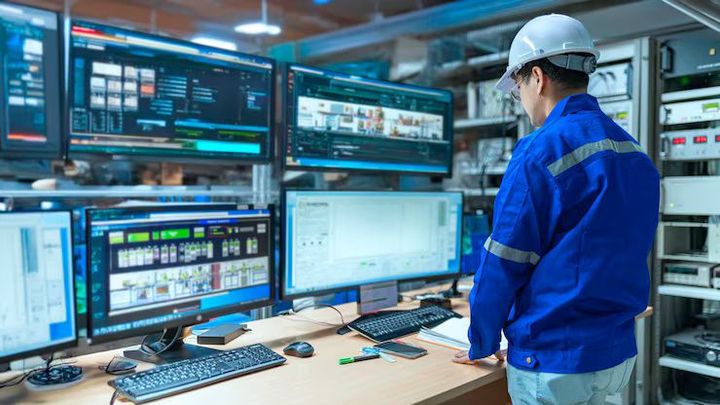
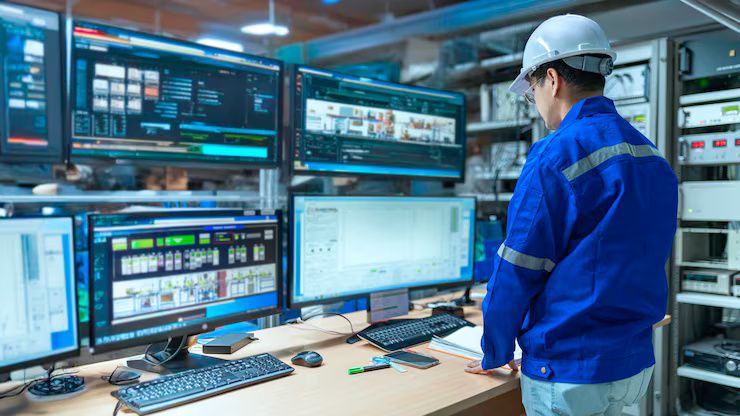
Instead of manually checking every machine or process, personnel can monitor operations from a central control room or, in some cases, through secure remote access.

Why SCADA Systems Are Important

Industrial facilities generate large amounts of operational data every day. Without an organized monitoring system, identifying equipment issues or process changes can become time-consuming and inefficient.

A SCADA monitoring solution helps organizations:

  • Monitor equipment continuously
  • Collect real-time operational data
  • Improve process visibility
  • Support informed decision-making
  • Detect abnormal operating conditions
  • Analyze historical performance
  • Improve maintenance planning
  • Enhance operational efficiency

These capabilities make SCADA automation an important part of many industrial environments.

How a SCADA System Works

Although implementations vary across industries, most SCADA systems follow a similar workflow.

Field devices such as sensors measure process variables including temperature, pressure, flow, level, speed, or electrical conditions.

Programmable Logic Controllers (PLCs) or Remote Terminal Units (RTUs) collect this information and transmit it to the SCADA software through industrial communication networks.

The SCADA platform processes the incoming data and displays it through graphical dashboards, charts, alarms, and reports. Operators can monitor equipment status, observe trends, acknowledge alerts, and review historical information to support operational decisions.

This continuous flow of information enables efficient process monitoring without requiring constant manual inspections.

Main Components of a SCADA Monitoring Solution

A complete SCADA system combines several interconnected technologies that work together to monitor industrial operations.

Sensors and Field Devices

Sensors collect real-time measurements from equipment and industrial processes.

Common measurements include:

  • Temperature
  • Pressure
  • Flow rate
  • Tank level
  • Motor speed
  • Voltage
  • Current
  • Humidity

These measurements form the foundation of industrial monitoring.

Programmable Logic Controllers (PLCs)

PLCs receive signals from field devices, process operational information, and communicate with the SCADA platform.

They serve as the link between physical equipment and supervisory monitoring software.

Remote Terminal Units (RTUs)

RTUs perform similar functions to PLCs but are often used in geographically distributed facilities such as water distribution systems, pipelines, or electrical networks.

They collect operational data from remote locations and transmit it back to centralized control systems.

Human Machine Interface (HMI)

The HMI provides operators with a graphical view of the industrial process.

Dashboards typically include:

  • Equipment status
  • Process diagrams
  • Trend charts
  • Alarm notifications
  • Historical reports
  • Performance indicators

A well-designed HMI makes complex industrial information easier to interpret.

Communication Networks

Industrial communication networks connect field devices, PLCs, RTUs, and SCADA servers.

Reliable communication ensures accurate and timely data collection throughout the facility.

Understanding Industrial SCADA

Industrial SCADA refers to the application of SCADA technology within manufacturing, utilities, infrastructure, and industrial operations.

These systems help monitor processes that may involve hundreds or even thousands of individual devices operating simultaneously.

Common industrial applications include:

  • Manufacturing plants
  • Water treatment facilities
  • Wastewater management
  • Electrical substations
  • Renewable energy systems
  • Oil and gas facilities
  • Food processing plants
  • Chemical manufacturing
  • Building management systems

Because industrial environments often operate continuously, real-time monitoring supports better operational awareness and equipment management.

SCADA Automation and Process Efficiency

SCADA automation combines monitoring with automated process management.

Instead of relying entirely on manual observation, automated systems can monitor operational conditions continuously and respond according to predefined control logic.

Examples include:

  • Monitoring production equipment
  • Recording operational data
  • Tracking process performance
  • Managing alarm notifications
  • Supporting preventive maintenance
  • Monitoring energy usage
  • Supervising environmental conditions

Automation helps reduce repetitive manual tasks while improving operational consistency.

Cloud SCADA and Remote Monitoring

Cloud SCADA has become increasingly important as industries adopt digital transformation strategies.

Unlike traditional systems that operate entirely on local servers, Cloud SCADA allows authorized users to access operational data through secure internet-based platforms.

Benefits of Cloud SCADA include:

  • Remote monitoring
  • Centralized data storage
  • Multi-site visibility
  • Easier software updates
  • Improved collaboration
  • Scalable infrastructure
  • Historical data access

Cloud-based monitoring enables organizations to oversee facilities located across different geographic regions from a unified interface.

Comparing Traditional SCADA and Cloud SCADA

FeatureTraditional SCADACloud SCADA
Data StorageLocal serversCloud infrastructure
AccessibilityPrimarily on-siteSecure remote access
ScalabilityHardware expansion requiredFlexible resource scaling
Multi-Site MonitoringMore complexSimplified centralized access
Software UpdatesLocal maintenanceCentralized deployment

The most appropriate approach depends on operational requirements, infrastructure, and organizational policies.

Data Collection and Historical Analysis

One of the greatest strengths of a SCADA monitoring solution is its ability to collect and store historical operational data.

Historical records allow organizations to:

  • Identify production trends
  • Compare equipment performance
  • Analyze operational efficiency
  • Review maintenance history
  • Investigate process events
  • Support compliance documentation
  • Improve long-term planning

Rather than relying only on real-time information, engineers can evaluate months or years of operational history to support continuous improvement.

Common Challenges in SCADA Implementation

Although SCADA systems provide significant operational benefits, organizations should also consider implementation challenges.

System Integration

Many industrial facilities contain equipment from different manufacturers.

Integrating legacy systems with modern SCADA platforms may require careful planning.

Data Management

Large industrial operations generate significant amounts of information.

Organizing, storing, and interpreting this data efficiently requires well-designed information management strategies.

Workforce Training

Operators, engineers, and maintenance personnel need appropriate training to interpret dashboards, alarms, and performance reports effectively.

Ongoing Maintenance

Regular software updates, equipment inspections, communication testing, and system verification help maintain reliable SCADA performance.

Emerging Trends in SCADA Technology

Industrial monitoring continues to evolve alongside advances in automation and digital technologies.

Several important trends include:

  • Artificial intelligence-assisted analytics
  • Industrial Internet of Things (IIoT) integration
  • Predictive maintenance
  • Advanced data visualization
  • Digital twin technologies
  • Edge computing
  • Enhanced cybersecurity practices
  • Mobile monitoring applications

These developments are expanding the capabilities of SCADA systems while improving operational insight across industrial environments.

Best Practices for Effective SCADA Monitoring

Organizations can improve the effectiveness of their SCADA systems by following several best practices.

These include:

  • Designing clear operator dashboards
  • Monitoring critical process variables
  • Maintaining accurate equipment documentation
  • Reviewing historical trends regularly
  • Updating software appropriately
  • Testing communication networks
  • Training personnel consistently
  • Establishing preventive maintenance schedules

A structured approach helps ensure the monitoring system continues to support reliable industrial operations.

Frequently Asked Questions

What is a SCADA monitoring solution?

A SCADA monitoring solution is a system that collects, displays, and manages real-time operational data from industrial equipment, allowing operators to monitor processes through centralized software.

What industries use industrial SCADA?

Industrial SCADA is widely used in manufacturing, utilities, water treatment, wastewater management, renewable energy, power distribution, oil and gas, chemical processing, and building management.

What is the difference between SCADA automation and manual monitoring?

SCADA automation continuously collects and processes operational information while assisting operators with monitoring, alarms, reporting, and process supervision, reducing reliance on manual observation.

What is Cloud SCADA?

Cloud SCADA is a modern monitoring platform that stores operational data within cloud infrastructure, enabling secure remote access, centralized monitoring, and easier management across multiple facilities.

Why is historical data important in a SCADA system?

Historical data supports trend analysis, maintenance planning, performance evaluation, process optimization, compliance reporting, and long-term operational improvements.

Conclusion

A SCADA monitoring solution has become an essential component of modern industrial operations by providing centralized process monitoring, real-time data collection, and valuable operational insights. Through the integration of sensors, PLCs, RTUs, communication networks, and intuitive software interfaces, a SCADA system helps organizations monitor equipment performance, analyze trends, and improve overall process efficiency.

As industrial SCADA continues to evolve with Cloud SCADA, advanced automation, predictive analytics, and Industrial Internet of Things technologies, organizations are gaining greater visibility into complex operations than ever before. Understanding these systems enables businesses, engineers, and technology professionals to appreciate how modern process monitoring supports safer, more efficient, and data-driven industrial environments.