Scrap Processing Equipment Overview: Key Machines for Metal and Waste Recycling
Scrap processing equipment plays a central role in modern recycling operations.
These machines are used to collect, sort, reduce, separate, and prepare scrap materials for reuse in manufacturing and industrial production. As industries increasingly focus on resource efficiency and waste reduction, the demand for effective recycling infrastructure continues to grow.
Scrap materials can include steel, aluminum, copper, brass, stainless steel, electronic components, construction debris, and other reusable metals. To process these materials efficiently, facilities rely on specialized machinery developed by scrap processing equipment manufacturers and metal recycling equipment suppliers.
Over time, recycling operations have evolved from largely manual activities to highly mechanized systems. Today, scrap metal processing machinery often incorporates automation, sensors, and digital monitoring technologies. Many facilities also utilize industrial scrap shredders and scrap metal crusher manufacturers' equipment to handle large volumes of material.
Modern recycling facilities may integrate multiple machines into a coordinated workflow. These systems are commonly referred to as automated scrap processing systems or turnkey scrap recycling plants. Their goal is to improve material recovery, operational efficiency, and workplace safety.
Understanding how scrap processing equipment works helps explain its importance in supporting recycling, resource conservation, and industrial production.
Importance
Supporting Resource Recovery
Many metals can be recycled multiple times without significant loss of quality. Scrap processing equipment helps recover valuable materials that might otherwise become waste.
By preparing materials for reuse, recycling operations reduce the need for extracting new raw materials from natural resources.
Reducing Landfill Waste
Large quantities of metal waste are generated by manufacturing facilities, construction projects, transportation industries, and consumer products.
Proper processing allows these materials to be diverted from landfills and reintroduced into industrial supply chains.
Improving Industrial Efficiency
Manufacturers often rely on recycled metals as inputs for production. Processed scrap provides a source of reusable material that can be melted, refined, and transformed into new products.
Efficient recycling systems help maintain a steady flow of recyclable materials throughout industrial sectors.
Enhancing Workplace Safety
Manual handling of large metal objects can present safety challenges. Modern scrap metal processing machinery reduces the need for extensive manual sorting and material movement.
Automation and mechanical handling systems help improve safety within recycling facilities.
Supporting Environmental Goals
Recycling contributes to broader sustainability initiatives by reducing waste generation and conserving resources.
Many governments and organizations encourage recycling as part of environmental management programs and circular economy strategies.
Understanding Scrap Processing Equipment
Collection and Material Intake
The recycling process begins when scrap materials arrive at a processing facility.
Materials may originate from:
- Manufacturing operations
- Construction projects
- Vehicle dismantling facilities
- Consumer recycling programs
- Industrial maintenance activities
- Demolition sites
Incoming materials are typically inspected, weighed, and categorized before processing begins.
Size Reduction Equipment
Large pieces of metal often require reduction before further processing.
Industrial scrap shredders are designed to break down bulky materials into smaller, more manageable pieces. This process improves handling efficiency and prepares materials for sorting and separation.
Crushing and Compaction Systems
Scrap metal crusher manufacturers produce equipment that compresses or crushes metal materials.
Crushing systems help:
- Reduce storage requirements
- Simplify transportation
- Improve sorting efficiency
- Prepare material for downstream processing
Material Separation Technologies
After shredding and crushing, materials are often separated according to type.
Common separation methods include:
- Magnetic separation for ferrous metals
- Eddy current separation for non-ferrous metals
- Air classification systems
- Optical sorting technologies
- Density-based separation methods
These technologies help maximize material recovery rates.
Common Types of Scrap Processing Equipment
The following table outlines common equipment used in recycling facilities.
| Equipment Type | Primary Function |
|---|---|
| Scrap Shredder | Reduces large scrap into smaller pieces |
| Metal Crusher | Compresses and crushes metal materials |
| Magnetic Separator | Separates ferrous metals |
| Conveyor System | Moves materials through processing stages |
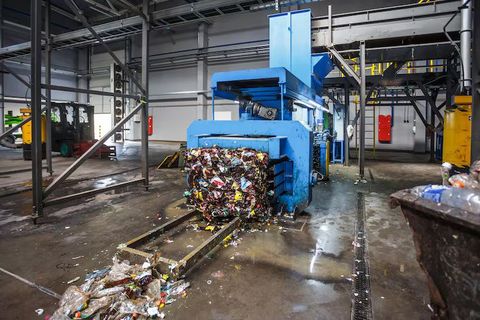
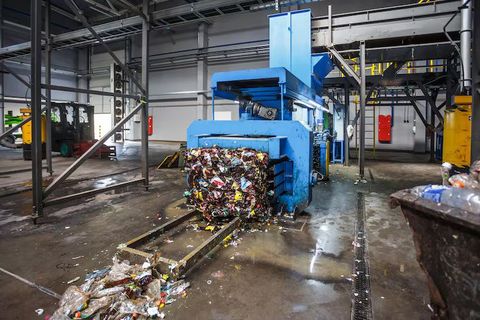
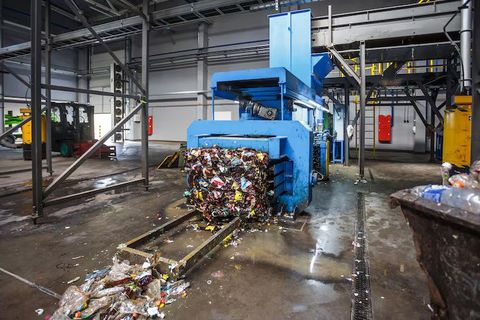
| Baler | Compresses scrap into compact bundles |
| Screening Equipment | Sorts materials by size |
| Optical Sorter | Identifies and separates materials |
| Dust Collection System | Controls airborne particles |
These machines often operate together within larger automated scrap processing systems.
Importance Across Industries
Manufacturing
Manufacturing facilities generate significant amounts of metal waste during production processes.
Recycling systems help recover valuable materials and support material management programs.
Automotive Recycling
End-of-life vehicles contain steel, aluminum, copper, and other recyclable materials.
Specialized equipment helps dismantle and process these materials efficiently.
Construction and Demolition
Construction projects generate metal debris, structural components, wiring, and other recyclable materials.
Processing equipment supports recovery and reuse efforts within this sector.
Electronics Recycling
Electronic devices contain valuable metals that can be recovered through specialized recycling processes.
Advanced sorting systems help identify and separate these materials.
Municipal Recycling Programs
Public recycling programs often rely on processing facilities to manage collected materials.
Scrap recycling plant equipment supports the handling of large volumes of recyclable materials from households and businesses.
Recent Updates
Increased Automation
Recent developments have focused heavily on automation throughout recycling facilities.
Automated scrap processing systems now use sensors, robotics, and intelligent controls to improve material handling and sorting efficiency.
Artificial Intelligence Integration
Artificial intelligence is increasingly used to identify materials and improve sorting accuracy.
Machine learning systems can analyze material characteristics and support automated decision-making during processing.
Enhanced Sensor Technologies
Modern facilities utilize advanced sensors for material identification, weight measurement, and quality control.
These technologies help improve recovery efficiency and operational visibility.
Digital Facility Management
Many recycling plants now incorporate centralized monitoring systems that track equipment performance and production activity.
Digital dashboards help operators monitor operations and identify maintenance needs.
Scrap Yard Automation Systems
Scrap yard automation systems are becoming more common in large facilities.
These systems help coordinate material movement, inventory tracking, weighing operations, and processing activities.
Laws or Policies
Environmental Regulations
Recycling facilities are often subject to environmental regulations that govern emissions, waste handling, water management, and pollution prevention.
Compliance helps ensure that recycling activities operate responsibly.
Occupational Safety Requirements
Facilities using heavy machinery must follow workplace safety regulations.
These requirements may address equipment operation, employee training, protective equipment, and emergency procedures.
Waste Management Policies
Many governments encourage recycling through waste management frameworks and resource recovery initiatives.
These policies may influence how recyclable materials are collected, processed, and reported.
Equipment Safety Standards
Industrial equipment is often designed according to recognized safety standards.
Manufacturers and facility operators typically follow established guidelines for machine operation and maintenance.
Recycling Reporting Programs
Certain jurisdictions require reporting related to material recovery volumes, waste diversion rates, and environmental performance metrics.
Tools and Resources
Recycling Facility Management Software
Digital platforms help track material inventory, equipment utilization, and operational performance.
Material Classification Databases
Reference databases assist facilities in identifying material types and determining appropriate processing methods.
Equipment Monitoring Systems
Monitoring platforms collect operational data from machinery and provide information regarding performance and maintenance needs.
Environmental Compliance Portals
Government agencies often provide online resources explaining recycling regulations and reporting requirements.
Maintenance Management Platforms
Maintenance software helps schedule inspections, track equipment conditions, and document repair activities.
Operational Considerations
Material Characteristics
Different metals require different processing approaches.
Facilities often evaluate material size, composition, contamination levels, and physical properties before processing.
Equipment Capacity
Processing equipment is selected based on expected material volumes and operational requirements.
Larger facilities may utilize multiple processing lines to handle high throughput.
Energy Consumption
Modern equipment designs increasingly focus on improving energy efficiency while maintaining processing performance.
Maintenance Planning
Regular maintenance supports reliable operation and helps reduce unexpected downtime.
Common maintenance activities include:
- Blade inspection
- Conveyor adjustment
- Bearing lubrication
- Sensor calibration
- Hydraulic system checks
Quality Control
Quality control procedures help ensure recovered materials meet industry specifications and recycling requirements.
FAQs
What do scrap processing equipment manufacturers produce?
Scrap processing equipment manufacturers develop machinery used for shredding, crushing, sorting, separating, and preparing recyclable materials for further use.
How do industrial scrap shredders work?
Industrial scrap shredders use rotating cutting mechanisms to reduce large metal items into smaller pieces, making them easier to sort and process.
What equipment is commonly found in scrap recycling plant equipment systems?
Common equipment includes shredders, crushers, conveyors, separators, balers, screening systems, and dust control equipment.
What are automated scrap processing systems?
Automated scrap processing systems combine machinery, sensors, software, and control technologies to streamline recycling operations and reduce manual intervention.
What are scrap yard automation systems?
Scrap yard automation systems help manage material movement, inventory tracking, weighing activities, and operational monitoring throughout recycling facilities.
Conclusion
Scrap processing equipment is a critical component of modern recycling infrastructure. These systems help recover valuable materials, reduce waste, and support resource conservation efforts across many industries. Advances in automation, digital monitoring, and sorting technologies continue to improve recycling efficiency and operational performance. Understanding the role of scrap metal processing machinery provides insight into how recyclable materials are transformed into valuable industrial resources.