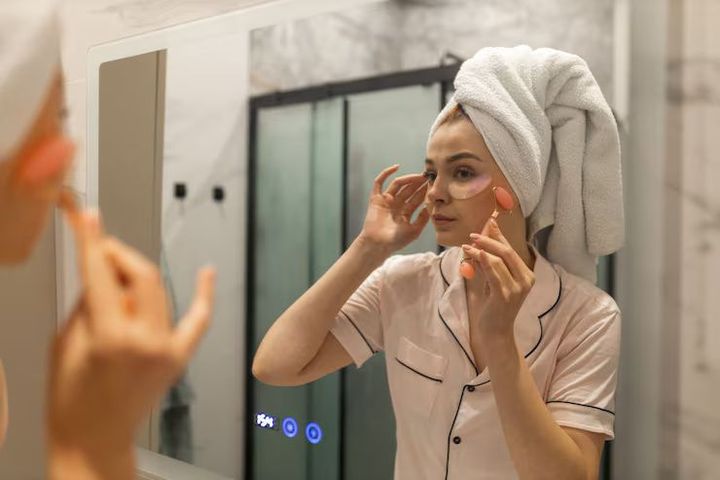
Skin Safety Guide: Explore Daily Care, Protection Methods, Risks, and Healthy Skin Practices
Skin is the body's largest organ and acts as an important protective barrier. It helps protect the body from environmental factors, supports temperature regulation, and forms a barrier against many external substances. A consistent approach to skin safety can help people understand how daily habits, environmental exposure, and personal care practices affect the skin.
A Skin Safety Guide covers the basic principles of keeping skin clean, protected, and appropriately moisturized. Daily care may vary according to factors such as skin type, age, climate, occupation, and individual skin concerns.
Modern skin care has developed from simple cleansing practices into a broad field involving dermatology, cosmetic products, sun protection, and public health awareness. However, a complicated routine is not always necessary. General dermatological guidance often focuses on gentle cleansing, moisturizing when needed, and protecting the skin from excessive ultraviolet exposure.
Understanding Different Skin Types
Skin can generally be described as normal, dry, oily, combination, or sensitive. These categories can help people understand how their skin may react to different environmental conditions and personal care products.
Using products or practices that are unsuitable for a person's skin can sometimes contribute to dryness, irritation, or breakouts. Individual responses can vary, so a routine may need adjustment over time.
The Purpose of Healthy Skin Practices
Healthy skin practices focus on maintaining the skin's natural protective barrier rather than attempting to achieve a particular appearance. These practices may include:
- Gentle and appropriate cleansing.
- Regular sun protection.
- Moisturizing when needed.
- Avoiding unnecessary irritation.
- Recognizing unusual changes in the skin.
- Following basic hygiene practices.
These habits can form the foundation of daily skin care for many people.
Importance
Skin safety is important because the skin is exposed to sunlight, pollution, changing weather conditions, chemicals, and physical friction throughout daily life. Some exposures can contribute to temporary irritation, dryness, sunburn, or other skin concerns.
Daily skin care and protection methods are particularly relevant for people who spend significant time outdoors or work in environments involving heat, dust, water, or chemicals. Children, older adults, and people with sensitive skin may also require additional attention to their skin care routines.
Protection From Sun Exposure
Ultraviolet radiation can affect the skin even when weather conditions appear cloudy. Long-term exposure may contribute to visible skin changes and can increase the risk of certain types of skin cancer. Dermatological organizations commonly recommend a combination of shade, protective clothing, and broad-spectrum sunscreen for comprehensive sun protection.
For many adults, sunscreen with broad-spectrum protection and an SPF of 30 or higher is commonly recommended when appropriate for outdoor exposure. Sunscreen may need to be reapplied according to product instructions, particularly after swimming or heavy sweating.
Common Skin Safety Risks
Several everyday factors can affect skin health. These include excessive sun exposure, harsh cleansing products, repeated friction, and unsuitable cosmetic practices.
The table below summarizes some common risks and general protective approaches.
| Common Risk | Possible Skin Effect | General Protection Method |
|---|---|---|
| Sun exposure | Sunburn and long-term skin damage | Sunscreen, shade, protective clothing |
| Harsh cleansers | Dryness or irritation | Gentle cleansing |
| Hot water | Loss of natural skin moisture | Use comfortably warm water |
| Excessive product use | Irritation or barrier disruption | Keep routines appropriate and simple |
| Environmental pollutants | Surface buildup and irritation | Cleanse appropriately after exposure |
| Physical friction | Redness or discomfort | Avoid unnecessary rubbing |
Skin concerns can have many different causes. Persistent, severe, or unexplained changes should be assessed by a qualified healthcare professional.
The Importance of a Consistent Routine
Consistency can be more practical than frequently changing multiple products. A simple routine can also make it easier to identify whether a particular product or environmental factor is associated with irritation.
A general routine may include cleansing, moisturizing where appropriate, and daily protection from significant sun exposure. Individual needs may differ based on skin type and environmental conditions.
Recent Updates
Growing Focus on Skin Barrier Health
Between 2024 and 2026, skin barrier health has received increased attention in public discussions about skin care. The skin barrier helps retain moisture and provides protection against external irritants.
Over-cleansing and excessive use of multiple active ingredients may contribute to irritation for some individuals. Current discussions increasingly emphasize simpler routines and the careful introduction of new products.
Caution Around Social Media Trends
Skin care information is widely shared through social media, but not all advice is based on medical evidence. Some viral practices may be unsuitable for particular skin types or concerns.
Dermatology organizations advise caution when following complex routines or rapidly adopting multiple products. Skin care practices that work for one person may not produce the same results for another.
Simplified Daily Care
A continuing trend is the emphasis on basic and consistent daily care. Cleansing, hydration, and sun protection remain central topics in general dermatological education.
This approach may also help people avoid unnecessary product combinations that could cause irritation or disrupt their skin's natural balance.
Increased Awareness of Sun Protection
Public awareness of ultraviolet exposure continues to grow. Protection methods increasingly extend beyond sunscreen to include hats, protective clothing, sunglasses, and seeking shade when practical.
Laws or Policies
Skin safety is influenced by different laws and regulations depending on the country. These rules may cover cosmetics, sunscreen labeling, product ingredients, workplace safety, and consumer protection.
Cosmetic Product Regulations
In many countries, cosmetic products must follow regulations regarding ingredient safety and labeling. Requirements may include information about ingredients, directions for use, and manufacturer details.
The specific rules vary between jurisdictions. Consumers should therefore check product labels and follow the instructions provided by the manufacturer.
Workplace Skin Protection
Occupational safety regulations may require employers to identify and manage exposure to substances that could affect workers' skin. Depending on the workplace, protective clothing and other safety measures may be relevant.
People who regularly work with chemicals, cleaning materials, or industrial substances may have additional skin protection requirements under local workplace regulations.
Public Health and Sun Safety
Government health agencies and medical organizations often provide public education about reducing excessive ultraviolet exposure. These educational programs generally encourage practical protection methods, particularly during periods of strong sunlight.
Local requirements and public health guidance can change, so country-specific regulations should be checked through official government sources when necessary.
Tools and Resources
Several tools and resources can help people understand and manage their daily skin care practices.
Skin Type Information Tools
Educational resources can help people understand common skin characteristics, such as dryness, oiliness, or sensitivity. These tools provide general information but cannot replace an individual medical assessment when a significant skin problem is present.
Dermatology organizations also provide educational material about everyday skin care and common skin concerns.
UV Index Resources
The UV Index is a useful tool for understanding the potential intensity of ultraviolet radiation in a particular location. Checking local UV information can help people plan appropriate outdoor protection methods.
High UV conditions may require greater attention to shade, clothing, and sunscreen use.
Skin Care Routine Templates
A simple routine template can help organize daily practices:
- Morning: Cleanse when needed, moisturize where appropriate, and use sun protection.
- During outdoor activities: Follow suitable sun protection practices.
- Evening: Remove accumulated dirt, cosmetics, and other surface materials before using appropriate moisturizing products.
The specific routine should be adapted to individual skin needs.
Product Ingredient Labels
Reading product labels can help people identify ingredients and usage instructions. People with sensitive skin may find it useful to introduce new products carefully and monitor for signs of irritation.
When a product causes a significant reaction, continued use may not be appropriate. Medical guidance may be necessary depending on the nature and severity of the reaction.
FAQs
What are the main steps in a daily skin safety routine?
A general daily routine may include gentle cleansing, appropriate moisturizing, and protection from excessive sun exposure. The routine can be adjusted according to skin type and environmental conditions.
How can I protect my skin from sun damage?
Skin protection methods include seeking shade, wearing protective clothing, and using appropriate broad-spectrum sunscreen. Dermatology guidance commonly recommends SPF 30 or higher for situations requiring sunscreen protection.
What are common risks to healthy skin?
Common risks include excessive ultraviolet exposure, harsh products, repeated friction, environmental pollutants, and inappropriate use of multiple skin care products.
How often should I cleanse my skin?
General dermatological guidance commonly recommends gentle cleansing based on individual needs, often once or twice daily for the face and after significant sweating. Excessive washing can contribute to dryness or irritation.
When should unusual skin changes be checked?
A new, changing, bleeding, or persistent skin change may require medical evaluation. A qualified healthcare professional can assess symptoms and provide guidance based on an individual's situation.
Conclusion
Skin safety involves a combination of appropriate daily care, protection from environmental exposure, and attention to changes in the skin. Healthy skin practices can include gentle cleansing, suitable moisturization, and consistent sun protection. Individual skin needs can vary considerably, making it important to avoid assuming that one routine is suitable for everyone. Reliable information and appropriate medical guidance can help people understand skin-related concerns.