Smart Factory Technology Overview: Key Facts, Benefits, and Industry Insights
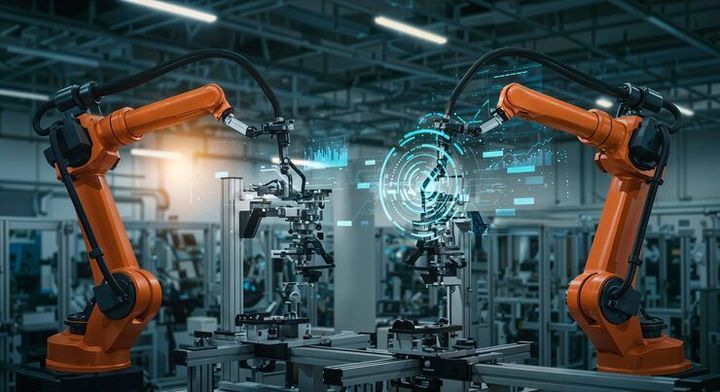
Smart factory technology is transforming the way industries operate. It brings together advanced digital tools, automation, and data-driven systems to create more efficient and flexible manufacturing environments. Instead of relying on traditional methods, smart factories use real-time data and intelligent machines to improve productivity and decision-making.
This shift is part of a broader movement toward digital transformation in manufacturing. Businesses are exploring smarter ways to produce goods, reduce waste, and respond quickly to changing demands.
What Is Smart Factory Technology?
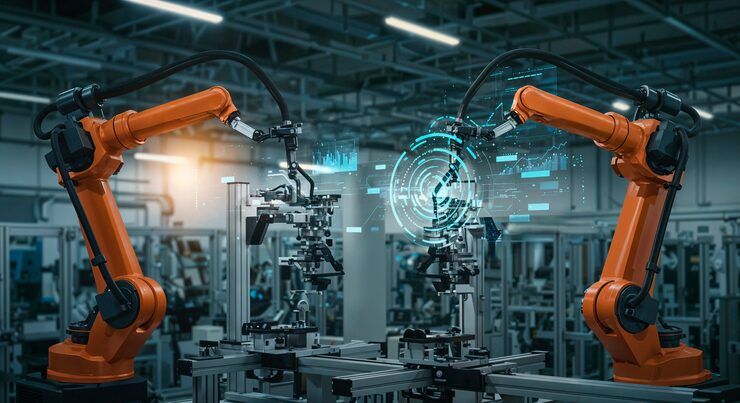
Smart factory technology refers to the integration of digital systems, machines, and data analytics within a manufacturing environment. These factories use connected devices and automated processes to operate with minimal human intervention.
Unlike traditional factories, smart factories can monitor their own performance. Machines communicate with each other, share data, and adjust operations based on real-time insights. This creates a more adaptive and responsive production system.
Key Components of a Smart Factory
A smart factory is built on several important technologies working together. Each component plays a role in improving efficiency and visibility.
- Internet of Things (IoT): Connects machines and devices to collect and share data
- Artificial Intelligence (AI): Helps analyze data and make intelligent decisions
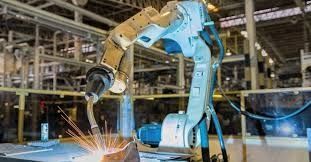
- Robotics: Automates repetitive tasks with high precision
- Cloud Computing: Stores and processes large amounts of data
- Big Data Analytics: Identifies patterns and improves performance
These technologies create a connected ecosystem where everything works in harmony.
How Smart Factories Work
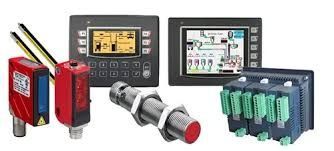
Smart factories operate through continuous data exchange and automation. Sensors placed on machines collect data about performance, temperature, speed, and other factors. This data is sent to central systems where it is analyzed in real time.
Based on this analysis, the system can make adjustments without manual input. For example, if a machine is overheating, the system can slow it down or schedule maintenance automatically.
Real-Time Monitoring and Control
Real-time monitoring is one of the most powerful features of smart factories. It allows manufacturers to track operations at every stage.
- Detect issues early before they become major problems
- Optimize machine performance continuously
- Improve product quality through consistent monitoring
This level of control helps reduce downtime and increase efficiency.
Benefits of Smart Factory Technology
Smart factory technology offers several advantages for modern industries. These benefits go beyond just automation and impact the overall production process.
Increased Efficiency
Smart factories streamline operations by reducing manual tasks and improving workflow. Machines can operate continuously with minimal errors.
- Faster production cycles
- Reduced downtime
- Better resource utilization
Improved Product Quality
With real-time monitoring and data analysis, smart factories can maintain consistent quality standards. Errors can be detected and corrected instantly.
- Fewer defects
- Better consistency
- Higher customer satisfaction
Enhanced Flexibility
Smart factories can quickly adapt to changes in demand or product design. This flexibility is important in today’s fast-changing markets.
- Easy customization of products
- Faster response to market trends
- Scalable production processes
Better Decision-Making
Data plays a key role in smart factories. By analyzing large amounts of information, businesses can make more informed decisions.
- Predictive maintenance planning
- Improved supply chain management
- Accurate demand forecasting
Challenges in Implementing Smart Factories
While smart factory technology offers many benefits, it also comes with certain challenges. Businesses need to address these issues to fully benefit from digital transformation.
High Initial Investment
Setting up a smart factory requires advanced equipment, software, and infrastructure. This can be a barrier for some organizations.
- Cost of technology integration
- Training and skill development
- System upgrades and maintenance
Cybersecurity Risks
With increased connectivity comes the risk of cyber threats. Protecting sensitive data and systems is essential.
- Secure network infrastructure
- Regular system updates
- Data protection strategies
Workforce Adaptation
Employees need to adapt to new technologies and processes. This requires proper training and support.
- Learning new skills
- Understanding digital tools
- Adjusting to automated workflows
Applications Across Industries
Smart factory technology is not limited to one sector. It is being adopted across various industries to improve operations and efficiency.
Automotive Industry
Automotive manufacturers use smart factories to automate assembly lines and improve precision. Robotics and AI play a major role in production.
- Faster vehicle production
- Improved safety standards
- Consistent quality control
Electronics Manufacturing
In electronics, precision and speed are critical. Smart factories help manage complex processes and ensure accuracy.
- Miniaturized component production
- Reduced error rates
- Efficient inventory management
Food and Beverage Industry
Smart factories help maintain hygiene and quality standards in food production. Automation ensures consistent processing.
- Real-time quality checks
- Efficient packaging systems
- Better supply chain tracking
Pharmaceutical Industry
Pharmaceutical companies use smart factories to ensure accuracy and compliance. Data-driven systems help maintain strict quality standards.
- Precise formulation processes
- Automated packaging
- Enhanced traceability
Future Trends in Smart Factory Technology
The future of smart factories looks promising as technology continues to evolve. New innovations are expected to further enhance efficiency and connectivity.
Integration of Advanced AI
Artificial intelligence will become more advanced, allowing factories to predict outcomes with greater accuracy.
- Smarter automation systems
- Improved predictive analytics
- Faster decision-making
Expansion of Digital Twins
Digital twins are virtual models of physical systems. They allow manufacturers to simulate and test processes before implementation.
- Better planning and optimization
- Reduced risk of errors
- Improved system performance
Increased Use of 5G Connectivity
5G technology will enable faster data transfer and improved communication between devices.
- Real-time data sharing
- Enhanced machine coordination
- Reduced latency
Sustainable Manufacturing Practices
Smart factories are also focusing on sustainability. Efficient use of resources and reduced waste are key priorities.
- Energy-efficient operations
- Reduced environmental impact
- Sustainable production methods
Why Smart Factories Matter Today
Smart factory technology is becoming essential in modern manufacturing. It helps businesses stay competitive in a rapidly changing environment. By adopting digital tools and automation, companies can improve efficiency, quality, and flexibility.
At the same time, smart factories support innovation. They allow businesses to experiment with new ideas and adapt quickly to market needs. This makes them a key part of the future industrial landscape.
Conclusion
Smart factory technology represents a major shift in how industries operate. It combines automation, data, and connectivity to create more efficient and intelligent production systems. While there are challenges in implementation, the long-term benefits are significant.
As technology continues to evolve, smart factories will become more advanced and widely adopted. Businesses that embrace this transformation can improve their operations and stay prepared for future changes.