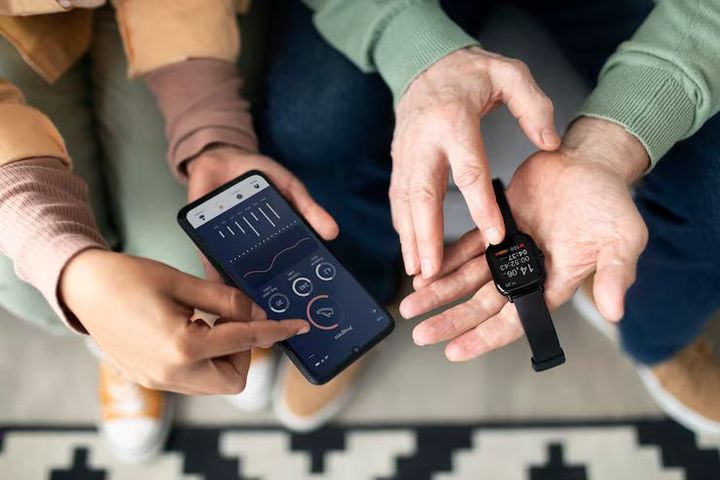
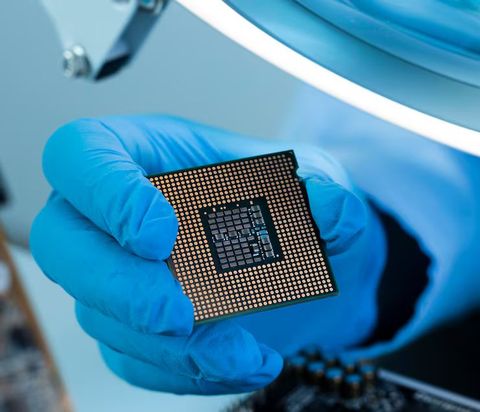
The development of smart heart rate sensors is closely linked to the growth of wearable health technology. As digital health monitoring becomes more common, these sensors help individuals understand how their heart responds to activity, stress, and rest.
Most modern sensors use photoplethysmography (PPG), which relies on light to detect changes in blood flow beneath the skin. These changes are converted into heart rate data, enabling continuous monitoring through wearable devices.
Some advanced devices also use electrocardiography (ECG), which measures the electrical signals generated by the heart. While PPG is widely used in fitness trackers, ECG is typically found in more advanced health monitoring systems.
Why Smart Heart Rate Sensors Matter in Modern Health
Smart heart rate sensors have become a core feature in fitness and health tracking technologies. They provide real-time insights into how the body responds to various activities and lifestyle habits.
Key Benefits
-
Support personalized fitness tracking through heart rate zones
-
Enable preventive health awareness by identifying unusual patterns
-
Allow continuous monitoring throughout the day
-
Help users track performance and recovery over time
Who Benefits from These Sensors
-
Fitness enthusiasts tracking workouts
-
Athletes optimizing training intensity
-
Individuals monitoring daily wellness
-
Researchers analyzing health trends
-
Healthcare professionals exploring digital health tools
Smart heart rate sensors also address challenges such as limited access to regular clinical checkups. They provide users with accessible tools to monitor health outside traditional healthcare settings.
Comparison of Heart Rate Monitoring Technologies
| Technology Type | Measurement Method | Typical Application |
|---|
| PPG Sensors | Optical light detection | Fitness trackers and smartwatches |
| ECG Sensors | Electrical heart signals | Advanced wearable health monitors |
| Chest Strap Sensors | Electrical signal detection | Professional sports training |
Each technology serves different needs depending on accuracy and usage requirements.
Recent Developments in Heart Rate Sensor Technology
The evolution of smart heart rate sensors has accelerated due to advancements in wearable technology and artificial intelligence. In 2025, manufacturers are focusing on improving accuracy and expanding functionality.
Key Innovations
-
Multi-sensor systems combining heart rate, oxygen levels, and activity tracking
-
AI-powered detection of irregular heart rhythms
-
Low-power sensors that extend battery life
-
Integration into smart clothing and wearable bands
Machine learning algorithms are now used to reduce motion interference during workouts. This improves accuracy, especially during high-intensity activities.
Another major trend is the use of integrated biometric platforms. These systems combine heart rate monitoring with sleep tracking, stress analysis, and recovery insights.
Regulations and Policies Affecting Heart Rate Sensors
Smart heart rate sensors are part of the broader wearable health technology ecosystem. As such, they are influenced by regulatory standards and data protection laws.
Key Regulatory Areas
-
Accuracy and safety standards for wearable devices
-
Data privacy regulations for health information
-
Wireless communication compliance
-
Consumer protection guidelines
In some regions, devices with advanced health monitoring features may require regulatory approval. For example, medical-grade devices may fall under specific healthcare regulations.
Data Privacy Frameworks
-
General Data Protection Regulation (GDPR) in Europe
-
Health data protection policies in digital platforms
These frameworks ensure that wearable devices handle sensitive health data responsibly.
Tools and Digital Resources for Heart Rate Monitoring
Smart heart rate sensors typically operate within digital ecosystems that include apps and analytics platforms. These tools help users interpret and visualize their health data.
Common Tools
-
Fitness tracking applications
-
Health dashboards
-
Workout intensity calculators
-
Sleep monitoring tools
-
Data visualization platforms
Key Data Insights
-
Resting heart rate trends
-
Training intensity zones
-
Heart rate variability (HRV)
-
Recovery and fatigue levels
Heart Rate Zone Reference Table
| Heart Rate Zone | Intensity Level | Typical Activity |
|---|
| Zone 1 | Very Light | Warm-up or gentle walking |
| Zone 2 | Light | Endurance exercise |
| Zone 3 | Moderate | Aerobic training |
| Zone 4 | High | Intense workouts |
| Zone 5 | Maximum | Peak performance training |
These tools and data insights help users better understand their cardiovascular performance and overall health trends.
Frequently Asked Questions
What is a smart heart rate sensor?
A smart heart rate sensor is a digital component that measures heart rate using optical or electrical methods. It is commonly integrated into wearable fitness devices.
How accurate are wearable heart rate sensors?
Accuracy depends on the technology and usage conditions. PPG sensors are reliable for general fitness tracking, while ECG sensors may provide higher precision in certain scenarios.
What is heart rate variability (HRV)?
Heart rate variability refers to the variation in time between heartbeats. It provides insights into stress, recovery, and overall cardiovascular balance.
Can heart rate sensors track continuously?
Yes, most wearable devices offer continuous monitoring throughout the day and during sleep.
Do they replace medical equipment?
No, wearable sensors are designed for wellness tracking. Medical-grade devices are still required for clinical diagnosis and treatment.
Conclusion
Smart heart rate sensors have become essential tools in modern health and fitness tracking. They provide real-time insights into cardiovascular activity, helping individuals better understand their physical performance and health patterns.
Advancements in artificial intelligence, wearable technology, and sensor miniaturization continue to improve accuracy and accessibility. At the same time, regulatory frameworks ensure safe and responsible use of health data.
As wearable devices evolve, smart heart rate sensors will remain a key part of the digital health ecosystem. They will continue to support wellness monitoring, fitness optimization, and data-driven healthcare solutions.