System on Chip (SoC) in IoT: Overview of Architecture, Uses, and Embedded Connectivity
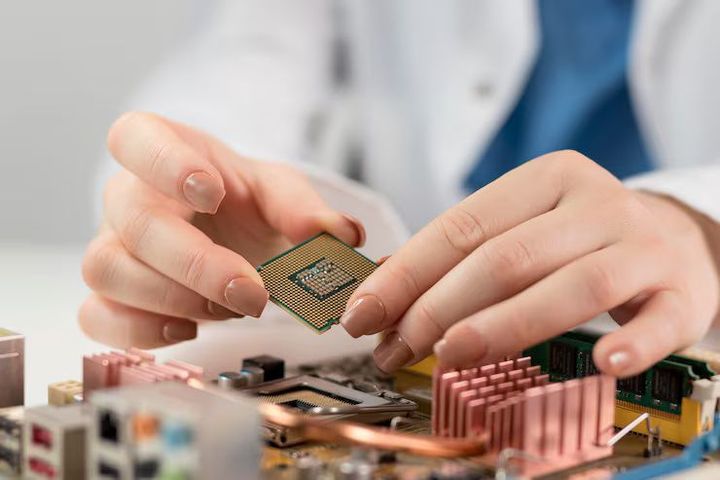
A System on Chip (SoC) is an integrated circuit that combines multiple electronic components onto a single chip. These components may include processors, memory units, wireless communication modules, graphics processing units, and input/output interfaces. The goal of SoC technology is to create compact, efficient, and highly integrated computing systems that can perform multiple functions within a small physical space.
In the context of the Internet of Things (IoT), System on Chip (SoC) technology plays a key role in enabling connected devices to function efficiently. IoT refers to a network of physical devices equipped with sensors, connectivity modules, and software that allow them to collect and exchange data over the internet.
Traditional computing systems often require multiple separate chips for processing, connectivity, and memory. SoC architecture simplifies this by integrating all these functions into a single semiconductor chip, improving efficiency and reducing power usage.
Key Components of IoT SoC
Common components found in an IoT System on Chip include:
- Central Processing Unit (CPU)
- Graphics Processing Unit (GPU) or Digital Signal Processor
- Memory controllers
- Wireless connectivity modules (Wi-Fi, Bluetooth, cellular)
- Power management units
- Security modules and encryption hardware
- Peripheral interfaces for sensors and actuators
This compact integration allows IoT devices to operate effectively in environments where space, power efficiency, and reliability are critical.
Why System on Chip Matters in the IoT Ecosystem
The rapid growth of connected devices has increased the importance of SoC technology in modern digital infrastructure. IoT systems are widely used in industries such as healthcare, manufacturing, transportation, agriculture, and smart home automation.
SoC platforms address several development challenges by combining multiple functionalities into a single chip. This results in devices that are smaller, more energy-efficient, and capable of performing complex operations.
Key Benefits of SoC in IoT
- Reduced power consumption for longer battery life
- Smaller hardware size for compact devices
- Improved processing speed and efficiency
- Enhanced connectivity capabilities
- Integrated security features for data protection
These advantages are especially important for wearable devices, smart sensors, and remote monitoring systems that rely on limited power sources.
Industry Applications
SoC-powered IoT devices are used across multiple industries:
- Healthcare: Remote patient monitoring and wearable medical sensors
- Manufacturing: Industrial sensors for predictive maintenance
- Smart Cities: Traffic systems, environmental sensors, and smart lighting
As IoT adoption continues to grow, the demand for efficient and scalable SoC platforms is increasing.
Recent Developments in SoC and IoT Technology
Recent advancements have significantly influenced SoC design and implementation in IoT ecosystems. One major trend in 2025 is the integration of artificial intelligence directly into SoC architecture.
AI-enabled SoCs include neural processing units that allow devices to analyze data locally. This supports edge computing, where data is processed closer to the source, reducing latency and improving real-time performance.
Advanced Connectivity Technologies
Modern IoT SoC platforms now support multiple communication protocols, including:
- Wi-Fi 6 and Wi-Fi 6E
- Bluetooth Low Energy (BLE)
- 5G connectivity
- Narrowband IoT (NB-IoT)
- LoRaWAN for long-range communication
These technologies enable devices to operate across diverse network environments and geographic regions.
Focus on Energy Efficiency
Energy efficiency remains a major priority in SoC development. Manufacturers are designing chips with advanced power management systems to extend battery life and improve device reliability.
SoC Components and Functions
| SoC Component | Function in IoT Devices |
|---|---|
| CPU Core | Executes instructions and processes data |
| Memory Controller | Manages RAM and storage operations |
| Wireless Module | Enables network communication |
| Power Management Unit | Optimizes energy consumption |
| Security Engine | Protects data and communications |
| Peripheral Interfaces | Connects sensors and external components |
These innovations are helping build faster, smarter, and more responsive IoT networks.
Regulations and Policies Affecting SoC-Based IoT Devices
IoT devices are subject to regulatory standards because they collect and transmit data. Governments and organizations enforce guidelines to ensure cybersecurity, safety, and privacy protection.
Many countries require IoT hardware to comply with communication and spectrum regulations. These rules ensure devices operate within approved radio frequency ranges and avoid interference.
Key Regulatory Areas
- Data protection laws for personal data collection
- Wireless spectrum compliance standards
- Cybersecurity requirements for connected devices
- Product safety certifications for electronic equipment
These policies aim to balance innovation with responsible and secure deployment of IoT technologies.
Useful Tools and Resources for SoC Development
Various tools and platforms support engineers working with SoC technology in IoT systems. These tools assist with design, testing, and deployment processes.
Common Development Tools
- Embedded system development environments
- PCB design and simulation software
- IoT device testing platforms
- Firmware development toolchains
- Hardware debugging tools
These resources help streamline development and improve system performance.
IoT SoC Development Workflow
| Development Stage | Key Activities |
|---|---|
| System Design | Define hardware architecture and connectivity needs |
| Hardware Integration | Connect sensors, processors, and communication modules |
| Firmware Development | Develop embedded software for device control |
| Testing & Validation | Evaluate performance, power usage, and security |
| Deployment | Integrate device into IoT networks |
Educational platforms and documentation repositories also provide valuable guidance for engineers and learners.
Frequently Asked Questions
What does System on Chip mean in IoT technology?
A System on Chip is an integrated semiconductor that combines processors, memory, and communication modules into a single chip. It enables compact and efficient IoT device operation.
Why is SoC architecture important for IoT devices?
SoC architecture reduces hardware complexity by integrating multiple functions into one chip. This improves performance, reduces power consumption, and minimizes device size.
How does SoC support connectivity in IoT devices?
Many SoCs include built-in communication modules like Wi-Fi, Bluetooth, and cellular technologies. These allow devices to connect and exchange data across networks.
Which industries use SoC-based IoT devices?
Industries such as healthcare, transportation, smart cities, agriculture, and industrial automation commonly use SoC-powered IoT devices.
How does edge computing relate to SoC?
Edge computing allows data processing directly on IoT devices instead of relying on cloud systems. Modern SoCs with AI capabilities support this local processing approach.
Conclusion
System on Chip technology is a fundamental component of modern IoT ecosystems. By integrating multiple functions into a single chip, SoC enables compact, energy-efficient, and high-performance devices.
Recent innovations such as AI-enabled edge computing, advanced connectivity standards, and improved power management are shaping the future of IoT hardware. At the same time, regulatory frameworks ensure that these technologies are secure and reliable.
As IoT networks continue to expand, SoC platforms will remain essential for building scalable, intelligent, and connected systems worldwide.