Thermal Testing Equipment Overview for Materials, Components, and Laboratory Testing
Thermal testing equipment is used to study how materials, components, and complete products respond to temperature changes.
These systems developed from laboratory methods used to measure heat transfer, expansion, stability, and physical changes under controlled conditions. Today, thermal test equipment is used in research laboratories, manufacturing facilities, electronics development, transportation, energy storage, and many other technical fields.
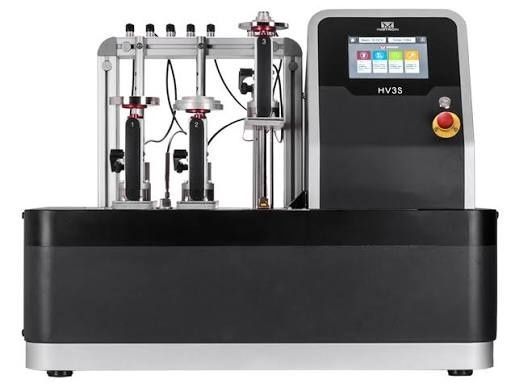
A thermal testing machine may apply heat, cold, or repeated temperature cycles while instruments record changes in the test sample. Depending on the purpose, thermal analysis equipment can examine material behavior, while a thermal test chamber can create controlled environmental conditions around a component or product.
Common Types of Thermal Testing
Different systems are designed for different testing goals. An environmental test chamber may control temperature and humidity, while thermal conductivity testing equipment measures how efficiently heat moves through a material.
| Equipment Type | Main Purpose | Common Application |
|---|---|---|
| Thermal test chamber | Controls hot and cold conditions | Components and finished products |
| Thermal analysis instruments | Measures material changes | Laboratory research |
| Conductivity equipment | Measures heat transfer | Insulation and building materials |
| Environmental test chamber | Simulates controlled surroundings | Electronics and automotive parts |
| Temperature testing equipment | Checks response to temperature | Industrial and laboratory testing |
Industrial thermal testing systems can also combine sensors, data recording, automated controls, and repeated testing cycles. The exact method depends on the material, component, safety requirements, and intended application.
Importance
Thermal testing matters because temperature can change the strength, dimensions, electrical behavior, and useful life of many materials. Everyday products may experience heat from sunlight, machinery, charging, electrical activity, or surrounding environments. Cold conditions can also affect plastics, batteries, seals, metals, and electronic components.
Electronic thermal testing equipment helps engineers understand how circuit boards, processors, sensors, and other devices behave when temperatures rise or fall. Semiconductor thermal testing equipment is particularly important because small electronic components can generate concentrated heat during operation.
Battery thermal testing equipment is used to examine temperature behavior during charging, discharging, storage, and controlled laboratory evaluation. Automotive thermal testing equipment may be used for vehicle electronics, interior materials, battery systems, and mechanical components. Aerospace thermal testing equipment supports the study of materials and components exposed to wide temperature variations.
These testing methods can help identify:
- Changes in material structure under heat or cold
- Expansion and contraction caused by temperature variation
- Heat transfer through insulation or construction materials
- Performance changes in electronic components
- Temperature-related weaknesses during repeated cycles
Recent Updates
Greater Automation and Digital Monitoring
From 2024 through 2026, the general trend in advanced thermal testing systems has been toward greater automation, digital data collection, and more precise environmental control. Modern systems increasingly connect temperature sensors, software, programmable test cycles, and automated reporting functions.
Another important trend is the growing use of thermal testing in electric mobility, battery development, advanced electronics, and semiconductor research. As electronic devices become smaller and more powerful, managing heat has become an important part of component evaluation.
Laboratories are also using combined testing methods more frequently. A single environmental test chamber may control temperature and humidity while additional instruments measure electrical or physical changes. This approach can provide a broader view of how a test sample responds to changing surroundings.
Laws or Policies
Standards and Laboratory Requirements
In India, thermal testing activities may be influenced by national standards, laboratory accreditation requirements, product regulations, and sector-specific safety rules. The Bureau of Indian Standards develops and adopts standards for many materials, electrical products, industrial components, and testing methods.
Laboratories may also follow ISO and IEC standards where applicable. ISO/IEC 17025 provides general requirements related to the competence and operation of testing and calibration laboratories. Specific industries may apply additional standards depending on the product and intended use.
Environmental, electrical, automotive, battery, and aerospace testing can involve different technical requirements. The relevant rules depend on the type of material or component being examined. Thermal testing results should therefore be interpreted according to the applicable test method, equipment calibration requirements, and documented procedures.
Tools and Resources
Several tools can support thermal testing and the interpretation of results. Temperature data loggers record changes over time, while thermocouples and resistance temperature detectors measure temperature at selected points. Infrared cameras can help visualize surface temperature patterns without direct contact.
Useful resources may include:
- BIS standards for Indian testing requirements
- ISO and IEC documents for international test methods
- Laboratory calibration records and equipment manuals
- Temperature conversion calculators
- Thermal conductivity calculation tools
- Data logging and analysis software
- Test procedure templates and calibration schedules
Thermal analysis instruments may also include software for displaying graphs, comparing test cycles, and organizing measurements. These tools help laboratories maintain consistent records and understand how samples respond during testing.
FAQs
What is thermal testing equipment used for?
Thermal testing equipment is used to examine how materials, components, and products respond to heat, cold, and temperature changes. Applications include laboratory research, electronics, batteries, vehicles, construction materials, and industrial components.
What is the difference between a thermal test chamber and thermal analysis equipment?
A thermal test chamber creates controlled temperature conditions around a sample. Thermal analysis equipment measures physical or chemical changes in a material as temperature changes.
How does thermal conductivity testing equipment work?
Thermal conductivity testing equipment measures how easily heat passes through a material. The method can vary depending on whether the sample is a solid, insulation material, liquid, or another substance.
Why is semiconductor thermal testing equipment important?
Semiconductors can generate heat during operation. Testing helps researchers examine temperature response, heat movement, and changes in electrical performance under controlled conditions.
What does battery thermal testing equipment measure?
Battery thermal testing equipment can measure temperature changes during controlled charging, discharging, storage, and environmental testing. The collected data helps researchers understand thermal behavior under defined test conditions.
Conclusion
Thermal testing equipment provides controlled ways to study the effects of temperature on materials, components, and complete products. Different systems examine heat transfer, environmental exposure, material changes, and temperature-related performance. Current developments focus on automation, digital monitoring, and testing for batteries, electronics, semiconductors, vehicles, and aerospace applications. Standards, calibration practices, and documented procedures help support consistent laboratory testing.