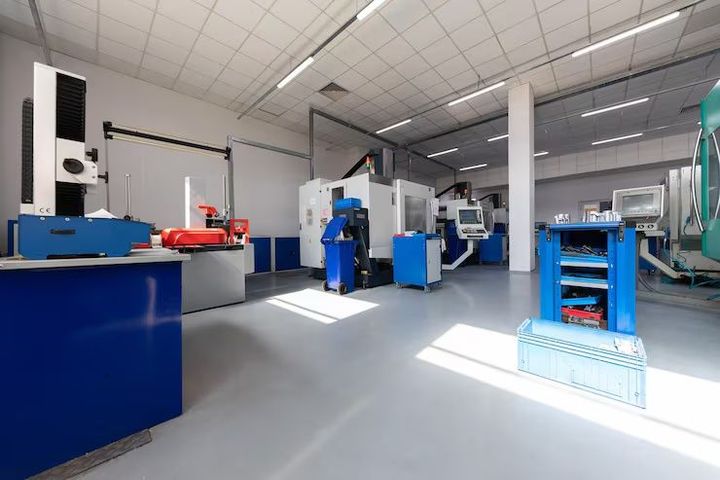
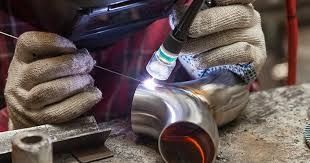
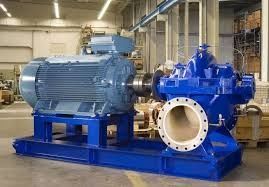
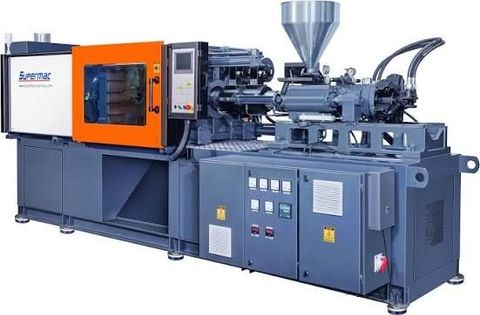
Tool room machinery is designed for precision engineering and high-accuracy manufacturing. These machines operate with tight tolerances, making them essential for industries that demand consistent quality and exact measurements.
They support production processes by creating molds, fixtures, gauges, and cutting tools. Tool rooms are critical in ensuring that manufacturing systems function efficiently and produce reliable components.
Common Types of Tool Room Machines
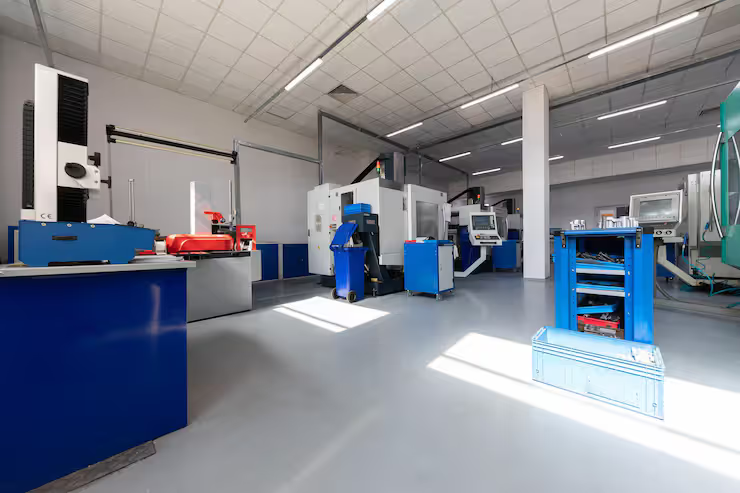
Tool room environments typically include a range of machines, each serving a specific function:
-
Lathe machines
-
Milling machines
-
Grinding machines
-
Drilling machines
-
CNC tool room machines
-
Electrical discharge machines (EDM)
These machines can be manual, semi-automatic, or fully automated. With the integration of CNC technology, modern tool rooms achieve higher efficiency and improved precision.
Why Tool Room Machinery Matters Today
Tool room machinery plays a key role in modern manufacturing by enabling the production of precise tools and components. It supports industries that rely on accuracy, such as automotive, aerospace, and electronics.
As manufacturing evolves toward automation and digitalization, precision machining has become more important than ever. High-quality tooling ensures better product performance and reliability.
Key Reasons for Its Importance
-
High-precision components are required for advanced technologies
-
Global quality standards are becoming stricter
-
Rapid prototyping demands flexible machining
-
Industrial systems rely on accurate tooling
Challenges Solved by Tool Room Machinery
-
Ensures dimensional accuracy and consistency
-
Reduces production errors and material waste
-
Supports complex geometry creation
-
Improves maintenance of industrial tools
Industries That Benefit
-
Automotive manufacturing
-
Aerospace engineering
-
Electronics and PCB production
-
Medical device manufacturing
-
Industrial equipment production
Modern tool room machines are increasingly connected to digital systems. This allows real-time monitoring, performance tracking, and improved productivity using data-driven insights.
Recent Developments and Industry Trends
Tool room machinery is evolving rapidly with advancements in automation, artificial intelligence, and smart manufacturing technologies. These developments are shaping how industries approach precision engineering.
Key Trends in 2025
-
Adoption of multi-axis CNC machines
-
Integration of IoT for real-time monitoring
-
AI-based predictive maintenance systems
-
Hybrid machines combining additive and subtractive manufacturing
-
Energy-efficient machine designs
Smart machining systems can now automatically adjust cutting parameters based on material conditions. This improves accuracy and reduces tool wear.
Digital twin technology is also gaining traction. It allows engineers to simulate machine performance and predict issues before they occur.
Current Industry Trends Table
| Trend | Industry Impact Level |
|---|
| CNC Automation | High |
| AI-Based Monitoring | High |
| Energy Efficiency | Moderate |
| Hybrid Manufacturing Systems | High |
| Digital Twin Technology | Emerging |
Regulatory Environment and Policies
Tool room machinery operations must comply with safety, quality, and environmental regulations. These rules ensure safe working conditions and consistent product standards.
Key Regulatory Areas
-
Workplace safety standards
-
Environmental compliance and emissions control
-
Quality assurance (ISO certifications)
-
Machine safety guidelines
Regulations in India
-
Factory safety under the Factories Act
-
Bureau of Indian Standards (BIS) guidelines
-
Pollution control board regulations
Global Standards
-
ISO 9001 (Quality Management)
-
ISO 14001 (Environmental Management)
-
CE marking for European markets
Governments also support modernization through digital manufacturing programs and skill development initiatives. Incentives for energy-efficient technologies further promote sustainable practices.
Tools and Resources for Tool Room Machinery
Various tools and software solutions are used to design, program, and operate tool room machinery. These tools improve efficiency and reduce errors in manufacturing processes.
Common Tools
-
CAD software for design
-
CAM software for machining instructions
-
CNC programming platforms
-
Simulation software
-
Tool management systems
-
Measurement instruments
Examples of Resources
-
G-code programming tools
-
CNC simulators
-
Machine monitoring dashboards
-
Maintenance scheduling software
-
Coordinate measuring machines (CMM)
Basic Tool Room Workflow
-
Design component using CAD
-
Generate tool paths using CAM
-
Load program into CNC machine
-
Execute machining process
-
Inspect finished component
Tool Room Machine Comparison Table
| Machine Type | Function | Precision Level |
|---|
| Lathe Machine | Rotational cutting | High |
| Milling Machine | Surface and slot cutting | Very High |
| Grinding Machine | Finishing and smoothing | Ultra High |
| EDM Machine | Complex shape machining | Extremely High |
| CNC Machine | Automated precision machining | Consistent |
Frequently Asked Questions
What is the main purpose of tool room machinery?
Tool room machinery is used to manufacture and maintain precision tools, dies, and components required for industrial production.
What is the difference between CNC and conventional machines?
CNC machines are automated and controlled by computer programs. Conventional machines require manual operation.
Which industries use tool room machinery the most?
Automotive, aerospace, electronics, and medical industries rely heavily on tool room machinery.
Why is precision important?
Precision ensures components meet exact specifications, reducing errors and improving performance.
What skills are required?
Operators need skills in machining, CNC programming, measurement techniques, and safety practices.
Additional Insights on Efficiency and Performance
The performance of tool room machinery depends on multiple operational factors. Proper setup and maintenance are essential for achieving optimal results.
Key Performance Factors
-
Machine calibration and alignment
-
Tool quality and maintenance
-
Operator expertise
-
Material properties
-
Environmental conditions
Modern Machine Features
-
Automatic tool changers
-
Digital control panels
-
Real-time monitoring systems
-
Vibration and temperature sensors
Conclusion
Tool room machinery is a fundamental part of precision manufacturing. It enables the production of high-quality tools and components essential for modern industries.
Advancements in CNC automation, AI-driven monitoring, and smart manufacturing are transforming how tool rooms operate. These innovations are making production more efficient, accurate, and data-driven.
Understanding tool room machinery helps in recognizing its importance in industrial development. As technology continues to evolve, these machines will remain central to future manufacturing systems.