Top Screw and Bolt Suppliers: Quality Fasteners, Industry Trends Guide
Screws and bolts are among the most widely used mechanical fasteners in the world. They play a critical role in joining materials together, ensuring structural stability, and supporting the functionality of countless products and systems. From household furniture and consumer electronics to bridges, vehicles, and industrial machinery, fasteners are a foundational component of modern engineering.
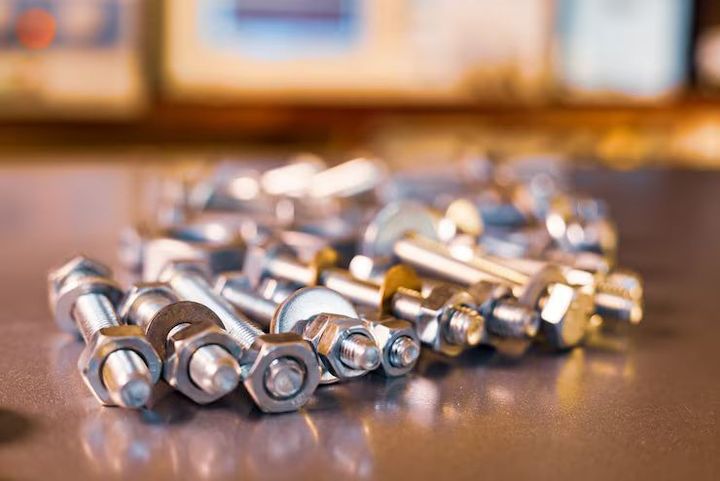
A screw is generally designed to create its own thread as it is inserted into a material, while a bolt typically works with a nut to secure two or more components together. Although they appear simple, these fastening solutions are manufactured using precise engineering standards to ensure reliability and safety.
The fastener industry exists because industries require secure, durable, and standardized methods of joining materials. As technology and infrastructure continue to evolve, the demand for advanced fastening systems has increased significantly. Modern fasteners are now available in various materials, coatings, sizes, and designs to meet specialized requirements.
Common Types of Fasteners
| Fastener Type | Common Application |
|---|---|
| Hex Bolts | Construction and machinery |
| Carriage Bolts | Wood structures |
| Machine Screws | Electronics and equipment |
| Self-Tapping Screws | Sheet metal applications |
| Anchor Bolts | Concrete installations |
| Stainless Steel Fasteners | Corrosion-resistant environments |
The global fastener sector supports numerous industries, including construction, automotive manufacturing, aerospace engineering, renewable energy, and industrial equipment production.
Why Quality Fasteners Matter Today
Fasteners may be small components, but they have a major impact on safety, efficiency, and long-term performance. A single fastening failure can affect an entire structure, machine, or product.
Supporting Critical Infrastructure
Modern infrastructure projects rely heavily on engineered fastening systems. Roads, railways, power plants, commercial buildings, and public transportation systems require durable bolts and screws capable of withstanding environmental and mechanical stress.
Enhancing Manufacturing Efficiency
Manufacturers depend on standardized fasteners to streamline production processes. Consistent dimensions and quality standards allow components to fit accurately during assembly, reducing delays and improving productivity.
Improving Product Safety
Industries such as automotive and aerospace require strict fastening standards because safety depends on reliable component connections. Properly engineered bolts and screws help prevent structural failures and maintain operational integrity.
Meeting Sustainability Goals
Many industries are focusing on sustainable manufacturing practices. Durable fasteners contribute to longer product life cycles, reduced maintenance requirements, and improved resource efficiency.
Industries Most Affected
- Construction and infrastructure
- Automotive manufacturing
- Industrial machinery
- Electronics production
- Renewable energy projects
- Aerospace engineering
- Marine applications
Recent Updates and Industry Trends
The fastener industry has experienced several important developments during 2025 and 2026. These changes reflect broader manufacturing, technology, and sustainability trends.
Growth of Smart Manufacturing
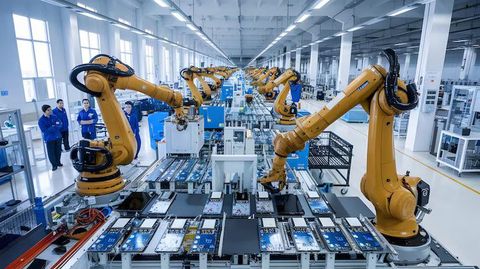
During 2025, many manufacturers expanded the use of automation and digital production systems. Advanced inspection technologies now help improve dimensional accuracy and quality control throughout the manufacturing process.
Increased Demand from Renewable Energy Projects
Solar and wind energy installations continued to expand throughout 2025 and early 2026. These projects require corrosion-resistant fasteners designed to withstand harsh environmental conditions over extended periods.
Focus on High-Performance Materials
Manufacturers have increasingly adopted advanced alloys and specialized coatings. These materials improve resistance to corrosion, temperature fluctuations, and mechanical wear.
Supply Chain Diversification
Following recent global supply chain disruptions, many industries have focused on sourcing components from multiple regions. This trend has encouraged greater investment in local and regional manufacturing capabilities.
Sustainability and Circular Manufacturing
Environmental concerns have encouraged manufacturers to explore recycled metals, energy-efficient production methods, and waste reduction initiatives.
Industry Trend Snapshot
| Trend | Impact on Industry |
|---|---|
| Automation | Improved quality control |
| Smart Factories | Increased production efficiency |
| Sustainable Materials | Reduced environmental impact |
| Renewable Energy Growth | Higher demand for specialty fasteners |
| Digital Quality Tracking | Better traceability |
| Advanced Coatings | Longer product lifespan |
Fastener Industry Trend Overview
Automation            ██████████
Renewable Energy      █████████
Advanced Materials    ████████
Digital Tracking      ███████
Sustainability        ████████
Supply Diversification███████
The chart illustrates the relative importance of major industry trends influencing the fastener market in 2026.
Regulations and Policy Frameworks
The fastener industry operates within various regulatory frameworks designed to ensure safety, quality, and consistency.
Quality Standards
Many countries follow internationally recognized standards that define dimensions, materials, mechanical properties, and testing procedures for screws and bolts. These standards help ensure compatibility across industries and geographic regions.
Construction and Infrastructure Regulations
Government agencies often require certified fastening components for public infrastructure projects. Compliance helps ensure structural integrity and public safety.
Manufacturing Compliance
Industrial manufacturers are generally expected to follow quality management systems that include inspection, testing, and documentation requirements.
Environmental Regulations
Many countries have strengthened environmental policies regarding industrial production. These regulations may address:
- Material sourcing
- Energy efficiency
- Waste management
- Chemical coatings
- Recycling practices
Workplace Safety Requirements
Fastener manufacturing facilities must comply with occupational safety regulations covering machinery operation, worker protection, and hazardous material handling.
International Trade Standards
Global trade frameworks often establish technical requirements for imported and exported industrial components. These requirements help maintain product consistency and consumer confidence.
As governments continue investing in infrastructure, renewable energy, and industrial modernization, regulatory oversight of fastening systems remains an important aspect of project planning and implementation.
Helpful Tools and Resources
Professionals, students, engineers, and industry researchers can benefit from a variety of educational and technical resources related to fasteners.
Engineering Calculators
Useful calculators include:
- Bolt torque calculators
- Thread pitch calculators
- Load capacity estimators
- Material strength calculators
- Unit conversion tools
Design Templates
Many organizations use templates for:
- Fastener selection guides
- Inspection checklists
- Maintenance schedules
- Quality assurance documentation
- Technical specifications
Learning Resources
Educational materials often cover:
- Thread standards
- Material selection
- Corrosion prevention
- Mechanical design principles
- Manufacturing processes
Digital Documentation Systems
Modern industries increasingly rely on digital systems for:
- Product traceability
- Quality records
- Compliance documentation
- Inventory tracking
- Engineering drawings
Industry Publications
Technical journals and industry reports provide valuable information about:
- Emerging materials
- Manufacturing technologies
- Sustainability initiatives
- Global market developments
- Regulatory updates
These resources help professionals stay informed about best practices and technological advancements.
Frequently Asked Questions
What is the difference between a screw and a bolt?
A screw generally creates or engages threads directly within a material, while a bolt usually works with a nut to secure components together. Both are designed for specific fastening applications.
Why are fastener standards important?
Standards ensure consistency, compatibility, safety, and performance. They allow manufacturers and engineers to use components with confidence across different projects and industries.
Which industries use the most screws and bolts?
Construction, automotive manufacturing, industrial equipment, aerospace, renewable energy, and electronics industries are among the largest users of fasteners.
What materials are commonly used for fasteners?
Common materials include carbon steel, stainless steel, alloy steel, brass, aluminum, and specialty alloys designed for specific environments and performance requirements.
How has technology changed fastener manufacturing?
Automation, digital quality control systems, advanced coatings, and smart manufacturing technologies have improved precision, efficiency, traceability, and overall product quality.
Conclusion
Screws and bolts may appear simple, but they are essential components that support modern infrastructure, manufacturing, transportation, and technology. The fastener industry continues to evolve through automation, advanced materials, sustainability initiatives, and digital manufacturing practices.