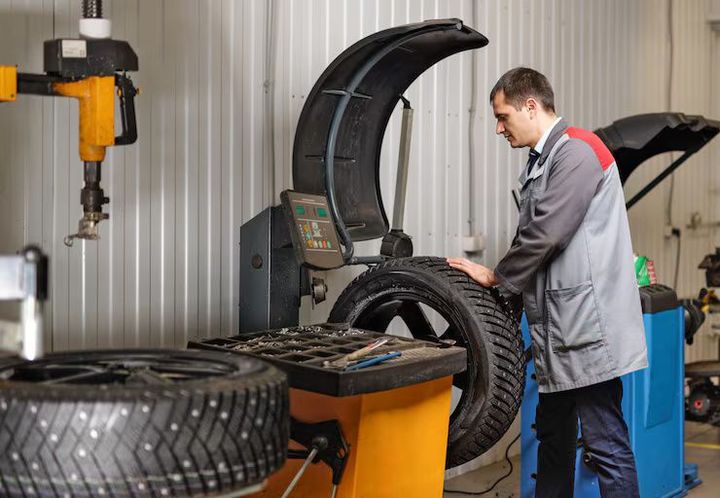
Tyre building machines are a critical part of the tire production process. After raw rubber compounds are prepared and components are cut into precise shapes, these machines assemble them into a structure known as a “green tire.”
This unfinished tire is later cured using heat and pressure to create the final shape and tread pattern. Modern machines use automation and precision systems to ensure consistency across large-scale production.
Types of Tires Produced
Tyre building machines are used to manufacture a wide range of tire types, including:
-
Passenger vehicle tires
-
Truck and bus radial tires
-
Agricultural tires
-
Industrial and off-road tires
-
High-performance automotive tires
Automation allows manufacturers to maintain uniform quality while meeting global demand.
Why Tyre Building Machines Matter Today
Tyre manufacturing technology plays a vital role in modern transportation systems. High-quality tires are essential for safety, fuel efficiency, and overall vehicle performance.
Tyre building machines address several key manufacturing challenges:
-
Increasing demand for high-performance tires
-
Maintaining consistent product quality
-
Improving production efficiency
-
Reducing manufacturing defects
-
Supporting fully automated production lines
Industries That Rely on Tyre Building Machines
Several industries depend on advanced tire manufacturing:
-
Automotive manufacturing
-
Transportation and logistics
-
Construction equipment production
-
Agricultural machinery
-
Aerospace ground support equipment
Automated systems also improve production consistency by ensuring precise component placement, reducing the risk of structural failures.
Recent Developments and Industry Trends
Recent advancements in tyre building machines reflect broader trends in automation and smart manufacturing. In 2025, many manufacturers began integrating Industry 4.0 systems for real-time monitoring and optimization.
Key Technological Developments (2024–2025)
-
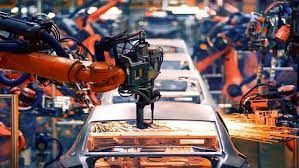
Increased adoption of robotic tire building machines
-
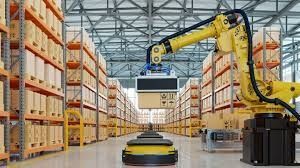
Expansion of automated material handling systems
-
Use of AI-based defect detection
-
Integration of predictive maintenance software
-
Energy-efficient equipment upgrades
Modern factories now use sensors to monitor alignment, tension, and component accuracy, automatically adjusting settings for consistent quality.
Manufacturing Technology Trends
| Manufacturing Trend | Impact on Production |
|---|
| Smart factory integration | Improved monitoring and efficiency |
| Robotics automation | Reduced manual assembly errors |
| AI-based inspection | Faster defect detection |
| Energy-efficient systems | Lower environmental impact |
These innovations enhance production reliability while supporting sustainability goals.
Regulations and Industry Policies
Tyre building machines operate within strict regulatory frameworks to ensure safety, environmental compliance, and product quality.
Key Regulatory Areas
-
Industrial workplace safety standards
-
Environmental emission regulations
-
Tire product safety certifications
-
Energy efficiency requirements
Common International Standards
-
ISO 9001 (Quality Management Systems)
-
ISO 14001 (Environmental Management)
-
ISO 45001 (Occupational Health and Safety)
Manufacturers must also comply with transportation safety regulations, including durability and traction testing requirements.
Government initiatives promoting smart manufacturing and sustainability are also shaping modern tire production practices.
Helpful Tools and Resources for Tire Manufacturing
Various digital tools support the efficient operation of tyre building machines. These tools help engineers optimize production and improve machine performance.
Commonly Used Tools
-
CAD software for tire design
-
CAM software for machine automation
-
Industrial automation platforms
-
Predictive maintenance systems
-
Manufacturing analytics tools
Software Categories in Manufacturing
-
Production monitoring dashboards
-
Industrial IoT systems
-
Quality inspection software
-
Manufacturing simulation tools
Typical Tire Production Workflow
-
Preparing rubber compounds
-
Cutting plies and steel belts
-
Feeding components into machines
-
Assembling the green tire
-
Transferring to curing presses
Key Machine Components
| Machine Component | Function |
|---|
| Drum Assembly | Holds and rotates components |
| Bead Placement System | Positions bead wires accurately |
| Ply Application System | Applies fabric or steel layers |
| Automation Controls | Regulates speed and alignment |
| Inspection Sensors | Detect alignment or material issues |
Modern systems may also include machine vision technology for quality verification.
Frequently Asked Questions
What is a tyre building machine?
A tyre building machine is an industrial system used to assemble tire components into a green tire before the curing process.
What materials are used in tyre building?
These machines combine rubber compounds, textile plies, steel belts, bead wires, and sidewall materials.
What is a green tire?
A green tire is the uncured version of a tire. It becomes a finished product after heat and pressure are applied during curing.
How does automation improve tire manufacturing?
Automation increases production speed, reduces manual errors, and ensures consistent quality across all tires.
Which industries rely on tire manufacturing?
Key industries include automotive, logistics, agriculture, mining, and construction equipment manufacturing.
Conclusion
Tyre building machines are essential technologies in modern tire manufacturing. They ensure precise assembly of complex tire structures, meeting both performance and safety requirements.
As global transportation continues to grow, demand for high-quality tires is increasing. Advanced automation, robotics, and smart factory systems are transforming production processes.
Regulatory standards further ensure that tires are safe, reliable, and environmentally compliant. Understanding tyre building machines helps highlight their role in supporting global mobility and industrial efficiency.