Understanding SMT Machines: Process Overview, Tips, and Expert Learning Insights
Modern electronic devices rely on compact circuits that hold many tiny components in a limited space. This manufacturing approach became possible through Surface‑mount technology, commonly abbreviated as SMT. SMT machines are specialized systems used in electronics manufacturing to place and attach electronic components directly onto printed circuit boards (PCBs).
Before SMT became common, most electronic parts were installed using through-hole technology. In that earlier method, component leads were inserted through drilled holes in the circuit board. While effective, it required more space and manual effort. As electronic products became smaller and more complex, manufacturers needed a process that could handle compact designs and high production volumes.
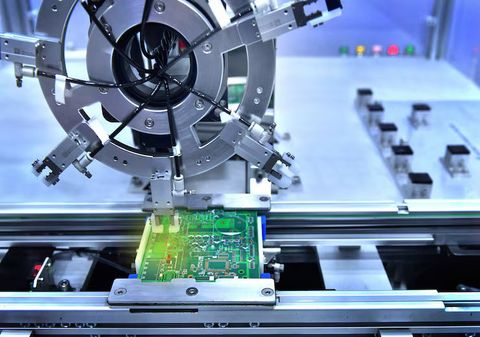
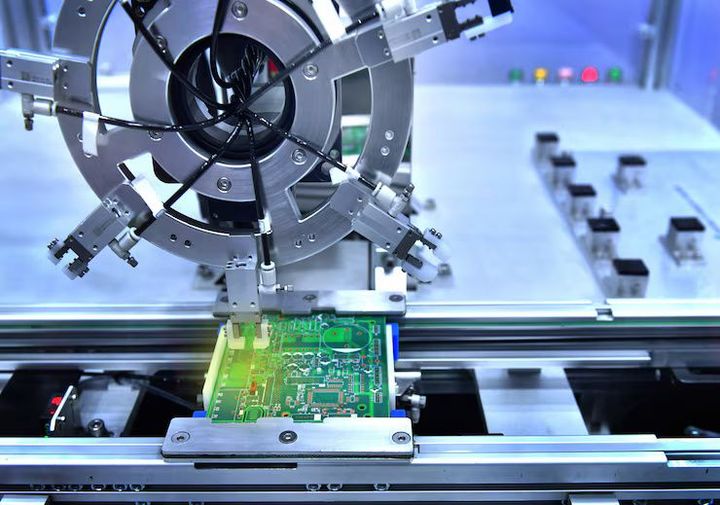
SMT machines support this requirement by automating the placement of components onto circuit boards. These machines handle tasks such as applying solder paste, positioning components, and performing controlled heating to secure parts. The SMT process allows electronics manufacturers to assemble thousands of components with consistent alignment and precision.
Understanding SMT machines involves looking at the entire production workflow. The process includes several stages, each performed by specialized equipment. Together, these machines create the electronic assemblies found in devices such as smartphones, computers, communication equipment, and industrial control systems.
Overview of the SMT process
The SMT production process usually includes the following stages:
- Solder paste printing: A stencil printer applies solder paste to the areas of the circuit board where components will be placed.
- Component placement: Automated pick-and-place machines position electronic components onto the prepared board.
- Reflow soldering: The board moves through a heating system that melts the solder paste and permanently attaches the components.
- Inspection and testing: Optical inspection systems examine the assembly to identify alignment issues or solder defects.
Each stage relies on specialized SMT machines designed for speed, accuracy, and repeatability.
Common SMT machine types
Several categories of SMT machines are typically used within a production line:
- Stencil printers apply solder paste evenly across the PCB surface.
- Pick-and-place machines retrieve electronic components from feeders and place them on precise locations on the board.
- Reflow ovens heat the board in controlled temperature zones to form reliable solder joints.
- Inspection systems use cameras and software to check component placement and solder quality.
Together, these machines form a coordinated manufacturing system that supports modern electronics production.
Importance
SMT machines play an important role in the production of everyday electronic devices. Many modern technologies depend on compact circuit boards containing dozens or even hundreds of electronic components. Automated SMT equipment makes it possible to assemble these boards efficiently and with consistent accuracy.
One reason SMT machines matter today is the continued demand for smaller and lighter electronics. Portable devices, smart appliances, and communication equipment often require dense circuit layouts. SMT technology allows components to be mounted on both sides of a board, increasing the number of parts that can fit within limited space.
Another factor is production efficiency. Automated machines can place components far more quickly than manual assembly methods. This capability allows electronics manufacturers to produce large quantities of circuit boards while maintaining consistent placement accuracy.
SMT machines also support improved product reliability. Precise placement and controlled soldering help create stable electrical connections between components and circuit boards. When solder joints are formed correctly, devices are more likely to operate as expected over time.
Industries that rely heavily on SMT machines include:
- Consumer electronics manufacturing
- Telecommunications equipment production
- Automotive electronics assembly
- Industrial automation systems
- Medical electronic device manufacturing
These industries require consistent assembly quality and scalable manufacturing processes. SMT equipment helps address those needs.
Example comparison of assembly methods
| Feature | Through-Hole Assembly | SMT Assembly |
|---|---|---|
| Component mounting | Leads inserted through board holes | Components placed on board surface |
| Board space usage | Requires more space | Supports compact layouts |
| Automation level | Often partially manual | Highly automated |
| Component density | Lower | Higher |
| Production speed | Slower for large volumes | Faster for large volumes |
This comparison highlights why SMT machines have become widely used in electronics manufacturing.
Recent Updates
Between 2024 and 2026, several developments have influenced SMT machine technology and manufacturing practices. These updates reflect broader trends in automation, digital monitoring, and precision manufacturing.
One major trend is increased use of machine vision systems. Modern pick-and-place machines use high-resolution cameras and pattern recognition software to identify components and confirm placement accuracy. These systems can detect alignment differences during the assembly process and adjust placement automatically.
Another development involves data integration across manufacturing equipment. Many SMT machines now connect with factory monitoring platforms that collect operational data from multiple stages of the production line. This information helps engineers analyze production efficiency, machine utilization, and process stability.
Automation has also expanded in inspection stages. Automated optical inspection systems examine circuit boards after component placement and soldering. These systems compare the assembled board against a digital reference image to identify missing components, incorrect orientation, or solder irregularities.
Miniaturization of electronic components continues to influence SMT equipment design. Some modern components are extremely small and require advanced placement accuracy. As a result, SMT machines now include improved positioning systems, finer nozzle designs, and enhanced calibration processes.
Environmental considerations have also influenced manufacturing processes. Electronics manufacturers increasingly adopt solder materials and production methods that reduce environmental impact while maintaining reliability standards.
Overall, the direction of SMT technology reflects a combination of automation, digital monitoring, and precision engineering.
Laws or Policies
Electronics manufacturing and SMT machine operations are shaped by several regulatory frameworks in different regions. These policies focus mainly on product safety, environmental protection, and material restrictions.
One widely recognized regulation affecting electronics production is the Restriction of Hazardous Substances (RoHS) directive used in many global markets. This regulation limits the presence of certain materials, such as lead and mercury, in electronic components and circuit assemblies. As a result, SMT processes often use lead-reduced solder materials.
Another framework influencing electronics manufacturing is the Waste Electrical and Electronic Equipment (WEEE) directive in some regions. This policy addresses the management and recycling of electronic products at the end of their lifecycle. Manufacturers may design circuit boards and assemblies with easier recycling considerations.
In India, electronics manufacturing activities align with guidelines established by organizations such as the Bureau of Indian Standards (BIS) and programs that support domestic electronics production. These frameworks encourage consistent manufacturing quality and compliance with safety requirements.
SMT machines themselves may also fall under workplace safety and industrial equipment regulations. These guidelines focus on operator safety, electrical protection, and safe handling of heated systems such as reflow ovens.
Overall, regulatory frameworks shape how electronics manufacturers design products, select materials, and operate SMT production equipment.
Tools and Resources
A variety of tools and digital platforms support engineers and technicians working with SMT machines and electronics assembly processes. These resources assist with circuit design, production planning, and quality monitoring.
Several types of tools are commonly used in SMT-related workflows.
PCB design software
Circuit boards must be designed before they can be assembled with SMT machines. Engineers often use specialized PCB design software to plan component placement, routing paths, and electrical connections. Examples include:
- KiCad
- Altium Designer
- Autodesk Eagle
These platforms generate design files used during manufacturing.
SMT process simulation tools
Some engineering software helps simulate the SMT assembly process. These tools allow engineers to evaluate component placement sequences, feeder arrangements, and production timing before running the physical equipment.
Simulation tools help reduce configuration errors and improve machine utilization.
Inspection and analysis software
Modern SMT lines often include inspection systems that analyze circuit boards using imaging and measurement algorithms. Software platforms connected to these inspection machines can track defect patterns and generate production reports.
These systems assist engineers in identifying recurring issues and improving process stability.
Manufacturing data platforms
Factory monitoring platforms collect machine data such as placement counts, cycle times, and machine utilization. Engineers use these platforms to review operational performance across the entire SMT production line.
Together, these tools form a digital ecosystem that supports electronics assembly and machine coordination.
FAQs
What are SMT machines and how do they work?
SMT machines are automated systems used to assemble electronic components onto printed circuit boards. They place components on the board surface using precise positioning mechanisms, followed by controlled heating to secure the components through solder joints.
What is the SMT process in electronics manufacturing?
The SMT process includes several stages such as solder paste printing, automated component placement, reflow soldering, and inspection. These stages work together to attach electronic components to a circuit board with consistent alignment and electrical connectivity.
Why are SMT machines important in modern electronics?
SMT machines allow electronics manufacturers to assemble compact circuit boards containing many components. The technology supports automated production, precise component placement, and reliable electrical connections within modern electronic devices.
What types of components are used in surface mount technology?
Surface mount technology uses components designed to attach directly to the surface of a printed circuit board. Examples include resistors, capacitors, integrated circuits, and connectors that have small metal pads instead of long leads.
How does inspection work in an SMT production line?
Inspection systems typically use cameras and specialized software to examine assembled circuit boards. These systems compare the board with a reference design to identify issues such as missing components, incorrect orientation, or solder irregularities.
Conclusion
SMT machines form a central part of modern electronics manufacturing by enabling compact and efficient circuit board assembly. The SMT process includes several coordinated stages, from solder paste application to inspection systems that verify assembly quality. Advances in automation, machine vision, and digital monitoring continue to shape how these machines operate. Regulatory frameworks also influence materials and manufacturing practices used in electronics production. Together, these factors highlight the role of SMT technology in supporting the development of modern electronic devices.