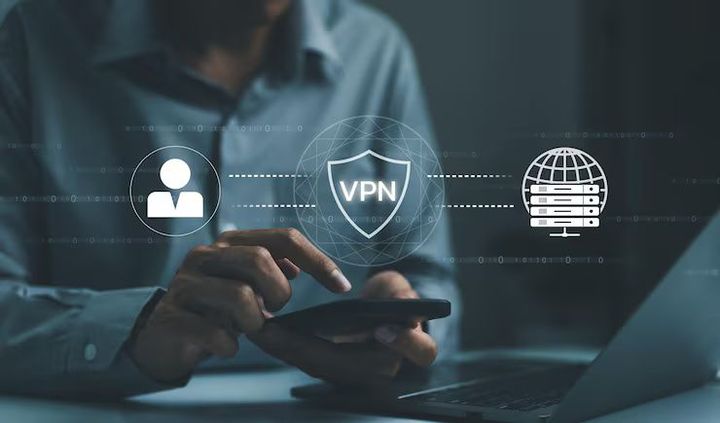
VPN for Business Guide to Secure Remote Access and Data Protection
As businesses become increasingly digital, employees often need access to company systems, applications, and files from multiple locations.
Remote work, hybrid offices, cloud platforms, and mobile devices have expanded workplace flexibility, but they have also introduced new security challenges. Protecting sensitive information while maintaining productivity has become a critical priority for organizations of all sizes.

One technology that plays an important role in modern cybersecurity strategies is the Virtual Private Network, commonly known as a VPN. A VPN for business helps create secure connections between users and company resources, reducing risks associated with transmitting information across public or shared networks.
What really matters is not simply enabling remote access. The greater value of a business VPN often comes from its ability to strengthen data protection, support secure communication, and help organizations maintain operational continuity in a connected world.
This guide explores the fundamentals of VPN technology, explains how business VPNs work, highlights their advantages and limitations, and examines their growing importance in modern network security.
Understanding a VPN for Business
A VPN for business is a technology that creates a secure and encrypted connection between users and an organization's network or digital resources. It helps protect information while it travels across the internet, making it more difficult for unauthorized parties to access sensitive data.
Unlike standard internet connections, VPNs establish protected communication channels that help safeguard business information during transmission. Employees can access internal systems while working remotely without exposing data to unnecessary risks.
This matters because modern organizations frequently operate across multiple locations and rely on internet-based communication to conduct daily activities.
A practical example is a remote employee securely accessing internal company files through a VPN connection while working outside the office.
Why Businesses Need Secure Remote Access
Remote access has become an essential part of business operations.
Employees often need to connect to corporate applications, databases, communication platforms, and cloud environments from home offices, client locations, or while traveling. Without appropriate security measures, these connections may become vulnerable to interception or unauthorized access.
The real difference appears when organizations can provide convenient access to resources while maintaining strong security controls.
A real-world example is a distributed workforce accessing centralized business systems through encrypted VPN connections that help protect sensitive company information.
How a Business VPN Works
A business VPN functions by creating an encrypted tunnel between a user's device and a secure network environment.
When a user connects to the VPN, information transmitted between the device and the company network is encrypted before it travels across the internet. The receiving system then decrypts the information so it can be used normally.
This process helps reduce the risk of unauthorized interception and improves the confidentiality of communications.
A practical example is an employee connecting to a company database through a VPN while using a public internet connection. The VPN helps protect the data exchanged during that session.
Key Components of a Business VPN
Several elements work together to support secure VPN operations.
Encryption Technology
Encryption converts data into a protected format that is difficult for unauthorized individuals to interpret.
Authentication Systems
Authentication helps verify user identities before access to company resources is granted.
Secure Tunneling
Tunneling protocols establish protected communication pathways between devices and networks.
Access Management
Access controls help determine which resources users can view and utilize within the organization.
Each component contributes to stronger security and more reliable remote access capabilities.
Benefits of Using a VPN for Business
Organizations implement VPN solutions for several important reasons.
One major benefit is enhanced data protection. Encryption helps secure information while it moves across networks, reducing exposure to common cyber threats.
VPNs also support remote work by allowing employees to access business resources from various locations without compromising security standards.
Another advantage is improved privacy. VPN technology can help shield business communications from unnecessary visibility while supporting secure collaboration.
Key benefits often include:
- Secure remote access
- Encrypted communications
- Improved network security
- Enhanced privacy protection
These advantages make VPN technology a valuable component of modern cybersecurity strategies.
The Role of VPNs in Data Protection
Data protection is one of the primary reasons organizations deploy VPN solutions.
Sensitive business information often travels between users, cloud applications, internal servers, and communication platforms. Without encryption, data may be exposed to unnecessary security risks during transmission.
This matters because information security incidents can affect operations, reputation, and regulatory compliance efforts.
A practical example is a financial services organization using VPN technology to help protect confidential client information exchanged between employees and internal systems.
The real difference appears when secure connectivity becomes a routine part of everyday business operations.
Common Challenges and Limitations
While VPN technology offers significant security benefits, it is not without challenges.
Performance can be influenced by factors such as connection quality, encryption requirements, and network configuration. Organizations must also manage user access carefully to maintain security standards.
Device management may become more complex when employees use multiple endpoints to access company resources.
A real-world example is a growing organization implementing VPN policies to balance security requirements with user convenience and productivity needs.
Understanding these challenges helps businesses develop more effective network security strategies.
Comparing Business VPNs and Traditional Network Access
| Factor | Traditional Access | Business VPN |
|---|---|---|
| Data Encryption | Limited | Strong Encryption |
| Remote Accessibility | Restricted | Secure Remote Access |
| Privacy Protection | Lower | Enhanced Protection |
| Communication Security | Basic | Encrypted Connections |
| Network Visibility | Higher Exposure | Reduced Exposure |
The real difference appears when secure access becomes available regardless of employee location.
Decision Guide for Evaluating Business VPN Solutions
Selecting an appropriate VPN approach depends on several operational considerations.
Workforce structure is often an important factor because organizations with remote or hybrid employees may require broader secure access capabilities.
Data sensitivity should also be evaluated since industries handling confidential information often prioritize stronger security controls.
Network complexity can influence VPN requirements, particularly when businesses operate across multiple locations or cloud environments.
A practical example is comparing a small remote team with a multinational enterprise. Both may use VPN technology, but their security priorities and implementation requirements are likely to differ.
In many cases, the real difference appears when VPN capabilities align with business operations and long-term security objectives.
Real-World Business Applications
VPN technology supports a wide range of operational environments.
Professional services firms use VPNs to protect confidential client communications and internal resources.
Healthcare organizations utilize secure remote access solutions to support administrative activities and protected information management.
Financial institutions often incorporate VPN technology as part of broader cybersecurity frameworks.
Technology companies rely on VPNs to support distributed development teams and secure access to cloud-based resources.
These examples demonstrate how VPN solutions contribute to secure operations across different industries.
Future Trends in Business VPN Technology
The role of VPN technology continues evolving alongside broader cybersecurity developments.
Cloud adoption is influencing how organizations design secure remote access strategies. VPN solutions are increasingly integrated with cloud security platforms and identity management systems.
Artificial intelligence is beginning to support threat detection and network monitoring capabilities within security environments.
Zero-trust security models are also shaping the future of remote access by emphasizing continuous verification rather than relying solely on network location.
As organizations continue expanding remote and hybrid work models, secure connectivity solutions are expected to remain an important part of cybersecurity planning.
What really matters is how businesses combine VPN technology with broader security strategies to address emerging threats and operational requirements.
FAQ
1. What is a VPN for business?
A VPN for business is a technology that creates encrypted connections between users and company resources to support secure remote access.
2. Why do businesses use VPNs?
Organizations use VPNs to protect data, secure communications, and enable safe access to business systems from remote locations.
3. How does a VPN improve data protection?
VPNs encrypt information during transmission, helping reduce the risk of unauthorized access or interception.
4. Can a VPN support remote work environments?
Yes. VPN technology allows employees to securely connect to company resources while working outside traditional office locations.
5. Is a VPN enough for complete cybersecurity protection?
VPNs provide important security benefits, but they are typically most effective when combined with broader cybersecurity measures and access controls.
Conclusion
A VPN for business plays a vital role in supporting secure remote access and protecting sensitive information in today's connected workplace. By creating encrypted communication channels and enabling secure connectivity, VPN solutions help organizations balance operational flexibility with data protection requirements.
As remote work, cloud computing, and digital collaboration continue expanding, VPN technology remains an important component of modern cybersecurity strategies. Understanding how business VPNs work and where they fit within broader security frameworks provides valuable insight into protecting organizational resources while supporting efficient and secure operations.