Vulnerability Scanner: Complete Guide to Security Assessment and Threat Detection
In today's digital world, organizations rely heavily on networks, websites, cloud environments, databases, and connected devices.
As technology grows, so do cyber risks. Attackers constantly search for weaknesses that can be exploited to gain unauthorized access, steal information, or disrupt operations.
A vulnerability scanner plays an important role in identifying potential security weaknesses before they become serious problems. It helps organizations understand where risks exist and provides valuable insights for improving cybersecurity posture.
Security assessment and threat detection have become essential parts of modern cybersecurity strategies. Whether protecting a business website, corporate network, or cloud infrastructure, vulnerability scanning helps reduce risks and strengthen digital security.
Understanding the Concept
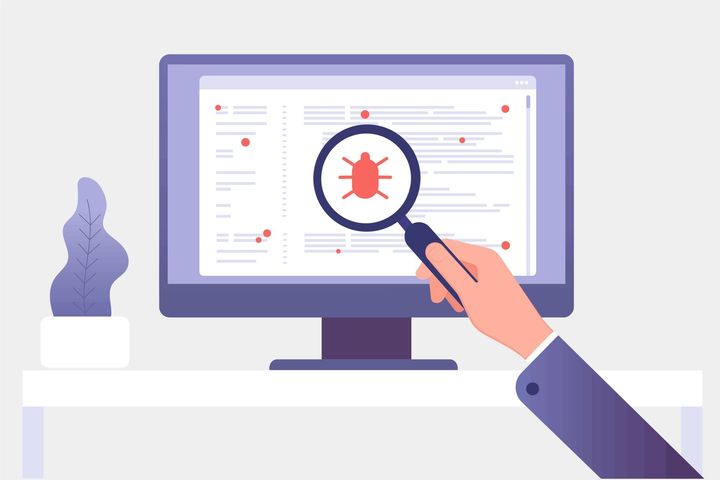
A vulnerability scanner is a cybersecurity tool designed to identify security weaknesses within systems, networks, applications, and digital environments.
A vulnerability is a flaw, misconfiguration, outdated component, or security gap that could allow unauthorized access or malicious activity.
The scanner examines various assets and compares them against known security issues. It then generates reports showing potential risks that require attention.
For example, imagine a company website using an outdated application component. A vulnerability scanner can identify this weakness and alert administrators before attackers attempt to exploit it.
Common cybersecurity areas evaluated during a security assessment include:
- Network security
- Cloud security
- Web application security
- Endpoint security
- Database security
- Server security
By identifying vulnerabilities early, organizations can take corrective action and improve overall protection.
Key Types or Categories
Several types of vulnerability scanners are used for different cybersecurity needs.
Network Vulnerability Scanner
A network vulnerability scanner examines devices connected to a network.
These devices may include:
- Routers
- Switches
- Servers
- Workstations
- Firewalls
The scanner identifies open ports, insecure configurations, and potential network security risks.
Web Application Vulnerability Scanner
Web application scanners focus on websites and online applications.
They search for issues such as:
- SQL injection vulnerabilities
- Cross-site scripting risks
- Authentication weaknesses
- Session management issues
These assessments help improve website security and data protection.
Cloud Security Scanner
Cloud environments require specialized security assessment processes.
Cloud scanners analyze:
- Cloud storage settings
- Access controls
- Identity permissions
- Configuration weaknesses
As cloud adoption continues growing, cloud security remains a major cybersecurity priority.
Endpoint Vulnerability Scanner
Endpoints include laptops, desktops, mobile devices, and other connected equipment.
Endpoint security scanners identify:
- Missing updates
- Weak configurations
- Security policy violations
- Outdated components
Database Security Scanner
Databases often contain valuable business information.
Database vulnerability assessments focus on:
- Access permissions
- Encryption settings
- Authentication controls
- Security misconfigurations
Important Subsections
Vulnerability Assessment
A vulnerability assessment is a structured process used to identify and evaluate security weaknesses.
The assessment helps organizations:
- Discover vulnerabilities
- Prioritize risks
- Improve security controls
- Reduce exposure to cyber threats
Regular assessments support long-term cybersecurity planning.
Threat Detection
Threat detection focuses on identifying suspicious activities that may indicate a security issue.
Examples include:
- Unauthorized access attempts
- Unusual network traffic
- Suspicious user behavior
- Potential malware activity
Combining threat detection with vulnerability scanning creates a stronger security strategy.
Risk Management
Not all vulnerabilities carry the same level of risk.
Risk management helps organizations determine:
- Which vulnerabilities require immediate attention
- Which issues pose the greatest threat
- Which systems are most critical
This approach allows security teams to allocate resources effectively.
Compliance Monitoring
Many industries follow cybersecurity regulations and standards.
Vulnerability scanning supports compliance efforts by helping organizations monitor security requirements and maintain secure environments.
How It Works
A vulnerability scanner typically follows a structured process.
Step 1: Asset Discovery
The scanner identifies assets within the environment.
These assets may include:
- Servers
- Applications
- Databases
- Network devices
- Cloud resources
Asset discovery creates a complete inventory for analysis.
Step 2: Security Analysis
The scanner examines identified assets for known vulnerabilities.
It checks:
- Security configurations
- Missing patches
- Open ports
- Authentication settings
- Access controls
This stage helps uncover potential weaknesses.
Step 3: Vulnerability Identification
Detected issues are compared against vulnerability databases and security intelligence sources.
Examples may include:
- Outdated versions
- Configuration errors
- Exposed administrative interfaces
- Weak encryption settings
Step 4: Risk Classification
Each vulnerability receives a severity rating.
Typical categories include:
- Critical
- High
- Medium
- Low
Risk classification helps prioritize remediation efforts.
Step 5: Reporting
The scanner generates reports that summarize findings.
Reports often contain:
- Vulnerability details
- Affected systems
- Risk levels
- Recommended corrective actions
These reports support cybersecurity decision-making.
Step 6: Continuous Monitoring
Organizations frequently conduct recurring scans to identify newly discovered vulnerabilities and maintain strong security practices.
Benefits and Advantages
Vulnerability scanning provides numerous cybersecurity advantages.
Early Threat Identification
Security weaknesses can be detected before attackers exploit them.
Early identification reduces the likelihood of security incidents.
Improved Network Security
Regular scanning helps strengthen network security by identifying configuration problems and exposure points.
Organizations gain greater visibility into potential risks.
Better Risk Prioritization
Security teams often manage numerous vulnerabilities.
Risk-based assessments help prioritize critical issues and improve efficiency.
Enhanced Compliance Readiness
Many regulatory frameworks emphasize vulnerability management.
Regular scanning helps organizations maintain cybersecurity readiness and security documentation.
Reduced Attack Surface
The attack surface refers to all possible points where attackers may attempt entry.
Identifying and addressing vulnerabilities reduces exposure and strengthens defenses.
Increased Security Awareness
Vulnerability reports help teams better understand cybersecurity risks and improve organizational security practices.
Real-World Examples or Applications
Vulnerability scanners are used across many industries.
Financial Institutions
Banks and financial organizations handle sensitive information daily.
Security assessments help identify vulnerabilities that could affect customer accounts, payment systems, and transaction platforms.
Healthcare Organizations
Healthcare environments manage medical records and patient information.
Regular vulnerability scanning supports data protection and strengthens cybersecurity measures.
E-Commerce Platforms
Online stores depend on secure websites and payment systems.
Web application security assessments help identify weaknesses before they impact customers.
Educational Institutions
Universities and schools manage large networks containing thousands of devices.
Network vulnerability scanners help identify security issues across campus environments.
Manufacturing Facilities
Modern manufacturing relies on connected systems and industrial technology.
Security assessments help protect operational technology environments from cyber threats.
Government Organizations
Public sector agencies often manage critical information and digital infrastructure.
Vulnerability management supports cybersecurity resilience and operational continuity.
Important Factors to Understand
Several factors should be considered when implementing vulnerability scanning programs.
Scan Frequency
Cyber threats evolve constantly.
Regular scanning improves visibility and helps identify newly emerging vulnerabilities.
Many organizations conduct assessments weekly, monthly, or quarterly depending on risk levels.
False Positives
Some scans may identify issues that are not actual vulnerabilities.
Security teams often verify findings before taking corrective actions.
Asset Coverage
Scanning should include all critical assets.
Overlooking important systems may leave security gaps undetected.
Remediation Planning
Identifying vulnerabilities is only the first step.
Organizations must establish processes for addressing and resolving identified risks.
Security Priorities
Critical systems usually require faster remediation than lower-risk assets.
Risk-based prioritization improves cybersecurity effectiveness.
Integration with Security Programs
Vulnerability scanning works best when combined with:
- Threat intelligence
- Security monitoring
- Incident response
- Access management
- Security awareness initiatives
This layered approach creates stronger protection.
Future Trends and Industry Insights
The vulnerability management landscape continues evolving alongside cybersecurity challenges.
AI-Powered Threat Analysis
Artificial intelligence is increasingly used to analyze security data and identify patterns.
AI-assisted security assessment tools can help prioritize risks more effectively.
Cloud Security Expansion
As organizations move more workloads to cloud environments, cloud security assessment capabilities continue advancing.
Future scanners will provide deeper visibility into hybrid and multi-cloud infrastructures.
Continuous Security Monitoring
Traditional periodic scans are gradually evolving toward continuous monitoring.
Organizations increasingly seek real-time visibility into security risks.
Automation in Vulnerability Management
Automation helps accelerate:
- Asset discovery
- Risk classification
- Security reporting
- Remediation workflows
This improves operational efficiency and response times.
Zero Trust Security Models
Zero Trust security frameworks assume that no user or device should be automatically trusted.
Vulnerability scanning supports Zero Trust strategies by continuously validating security posture.
Greater Focus on Cyber Risk Management
Organizations are moving beyond simple vulnerability detection toward broader cyber risk management approaches that connect technical risks with business objectives.
Conclusion
A vulnerability scanner is a critical component of modern cybersecurity programs. It helps organizations identify weaknesses, perform security assessments, strengthen network security, and improve threat detection capabilities.
By regularly evaluating systems, applications, cloud environments, and databases, organizations can reduce cyber risks and improve overall security posture. Vulnerability assessment, risk management, compliance monitoring, and continuous monitoring all contribute to a stronger cybersecurity strategy.
As cyber threats continue evolving, vulnerability scanning remains an essential practice for protecting digital assets, improving operational resilience, and supporting long-term security objectives. Organizations that proactively identify and address vulnerabilities are better positioned to maintain secure and reliable technology environments.