Warehouse Racking System: Complete Guide to Storage Solutions and Space Optimization
A warehouse racking system is a structured method of storing goods, materials, and inventory within a warehouse or distribution facility.
These systems were developed to help businesses use vertical and horizontal space efficiently while improving inventory organization and accessibility. As supply chains expanded and product volumes increased, traditional floor storage became less practical, creating a need for organized warehouse storage systems.
Today, warehouse racking systems are used across manufacturing, retail, logistics, agriculture, healthcare, and e-commerce sectors. They support the safe storage of products while helping warehouses manage inventory movement more effectively.
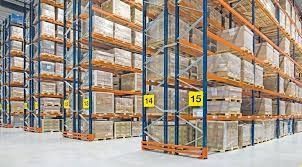
Industrial racking systems are available in different configurations depending on storage requirements, building dimensions, product sizes, and handling equipment. Common examples include pallet racking systems, warehouse shelving systems, and heavy duty warehouse racks designed for large or bulky items.
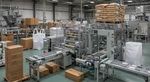
Modern facilities increasingly combine physical storage infrastructure with digital technologies. This has contributed to the development of automated warehouse racking and smart warehouse storage systems that integrate inventory tracking and automation technologies.
Importance
Efficient Use of Space
One of the primary reasons organizations implement warehouse storage systems is to maximize available space. Warehouses often have high ceilings, and racking systems allow vertical storage that significantly increases storage capacity without expanding the building footprint.
By utilizing vertical space effectively, facilities can accommodate more inventory while maintaining clear pathways for equipment and personnel.
Improved Inventory Organization
Warehouse storage equipment helps categorize products based on type, size, turnover rate, or operational requirements. Organized storage can make inventory easier to locate, reducing delays during receiving, picking, and shipping activities.
A structured storage layout may also support inventory accuracy by reducing misplaced items and improving stock visibility.
Workplace Safety
Properly designed industrial racking systems contribute to safer warehouse operations. Goods stored on designated racks are generally less likely to obstruct walkways or create hazards compared with materials stored directly on the floor.
Safety considerations often include:
- Load capacity management
- Rack inspections
- Proper installation practices
- Equipment operator training
- Damage reporting procedures
Support for Business Growth
As inventory volumes increase, scalable warehouse shelving systems can often be expanded or reconfigured. This flexibility allows facilities to adapt to changing storage requirements without completely redesigning storage areas.
Compatibility with Automation
Many modern warehouses incorporate warehouse automation systems that work alongside storage infrastructure. Automated technologies can assist with inventory tracking, product retrieval, and material movement, supporting more efficient warehouse operations.
Recent Updates
Growth of Smart Warehouse Storage Systems
Recent years have seen increased adoption of smart warehouse storage systems that combine storage equipment with sensors, software platforms, and inventory management technologies.
These systems can provide real-time visibility into inventory levels and storage locations while supporting data-driven decision-making.
Expansion of Automated Warehouse Racking
Automated warehouse racking has become more common in facilities managing large product volumes. Automated storage and retrieval systems can move products between storage locations and picking stations using specialized machinery and software.
This trend is particularly visible in sectors handling high inventory turnover and complex fulfillment operations.
Integration with Digital Warehouse Platforms
Many warehouse management systems now integrate directly with pallet racking systems and inventory databases. Digital platforms can monitor storage utilization, inventory movement, and equipment activity through centralized dashboards.
Focus on Sustainability
Warehouse operators are increasingly considering environmental factors when planning storage infrastructure. Some facilities use recyclable materials, energy-efficient automation technologies, and optimized layouts designed to reduce unnecessary equipment movement.
Flexible Storage Designs
Warehouses are increasingly adopting modular industrial racking systems that can be adjusted as operational needs change. Adjustable shelf heights and configurable rack layouts allow facilities to accommodate different product categories over time.
Common Warehouse Racking Types
The following table summarizes several widely used warehouse storage systems.
| Racking Type | Primary Use | Typical Features |
|---|---|---|
| Selective pallet racking | General pallet storage | Direct access to individual pallets |
| Drive-in racking | High-density storage | Forklifts enter rack structure |
| Push-back racking | Multiple pallets per lane | Products move on inclined rails |
| Cantilever racking | Long or irregular items | Open-front design |
| Mobile racking | Space optimization | Movable rack bases |
| Automated warehouse racking | Automated storage operations | Integrated retrieval systems |
Laws or Policies
Workplace Safety Regulations
Warehouse storage infrastructure is often governed by occupational health and safety regulations. These regulations typically address rack stability, load limits, inspection procedures, and employee safety requirements.
Organizations are generally expected to ensure that warehouse storage equipment is installed and maintained according to applicable safety standards.
Building and Structural Requirements
Local building regulations may influence the design and installation of heavy duty warehouse racks. Structural considerations can include floor loading capacity, seismic requirements, fire safety measures, and emergency access routes.
Compliance requirements vary depending on location and facility type.
Fire Protection Standards
Warehouses storing significant quantities of goods often follow fire safety regulations related to storage arrangements, sprinkler systems, emergency exits, and aisle spacing.
Storage layouts may need to maintain sufficient clearance to support fire suppression systems and emergency response procedures.
Environmental and Sustainability Policies
In some regions, environmental programs encourage resource efficiency and sustainable facility management. These initiatives may influence material selection, energy usage, and warehouse automation systems that support operational efficiency.
Equipment Inspection Requirements
Many jurisdictions require regular inspections of storage infrastructure and material handling equipment. Inspection programs help identify structural damage, overloading risks, or maintenance concerns before they become safety issues.
Tools and Resources
Warehouse Management Systems
Warehouse management systems help organizations monitor inventory levels, storage locations, and product movement. These platforms often integrate with industrial racking systems and warehouse automation systems.
Examples include:
- Inventory tracking software
- Barcode management platforms
- RFID inventory systems
- Order fulfillment software
Storage Capacity Calculators
Capacity calculators help estimate storage requirements based on inventory volume, pallet dimensions, aisle widths, and available warehouse space. These tools can assist in planning warehouse storage systems more effectively.
Rack Design Software
Some engineering and facility planning platforms provide tools for designing pallet racking systems and warehouse shelving systems. These applications can model storage layouts and evaluate space utilization.
Inspection Checklists
Warehouse operators often use inspection templates to document rack conditions and identify maintenance needs. Common checklist categories include:
- Structural integrity
- Load labeling
- Beam alignment
- Floor anchoring
- Damage assessment
Industry Standards and Guidance
Organizations involved in warehouse operations frequently consult standards developed by safety agencies, engineering organizations, and logistics associations. These resources provide guidance on installation, maintenance, and operational practices.
FAQs
What is a warehouse racking system?
A warehouse racking system is a structured storage framework used to organize inventory inside warehouses. It helps maximize available space while supporting efficient storage and retrieval of products.
How do pallet racking systems work?
Pallet racking systems store palletized goods on horizontal beams supported by vertical frames. Forklifts or other material handling equipment place and retrieve pallets from designated storage locations.
What is selective pallet racking?
Selective pallet racking is a storage configuration that provides direct access to each pallet. It is commonly used because individual inventory items can be reached without moving surrounding pallets.
What are heavy duty warehouse racks used for?
Heavy duty warehouse racks are designed to support larger or heavier loads. They are commonly used in manufacturing, industrial storage, distribution centers, and facilities handling bulky materials.
How are automated warehouse racking and warehouse automation systems connected?
Automated warehouse racking works alongside warehouse automation systems that use software, sensors, conveyors, and retrieval equipment. Together, these technologies support inventory tracking, storage management, and material movement within warehouses.
Conclusion
Warehouse racking systems play an important role in organizing inventory, improving space utilization, and supporting safe warehouse operations. Various warehouse storage systems, including pallet racking systems, warehouse shelving systems, and heavy duty warehouse racks, address different storage requirements. Recent developments have increased the use of automated warehouse racking and smart warehouse storage systems that integrate digital technologies. Understanding storage infrastructure, safety requirements, and available tools helps provide a clearer picture of how modern warehouses manage inventory and space efficiently.