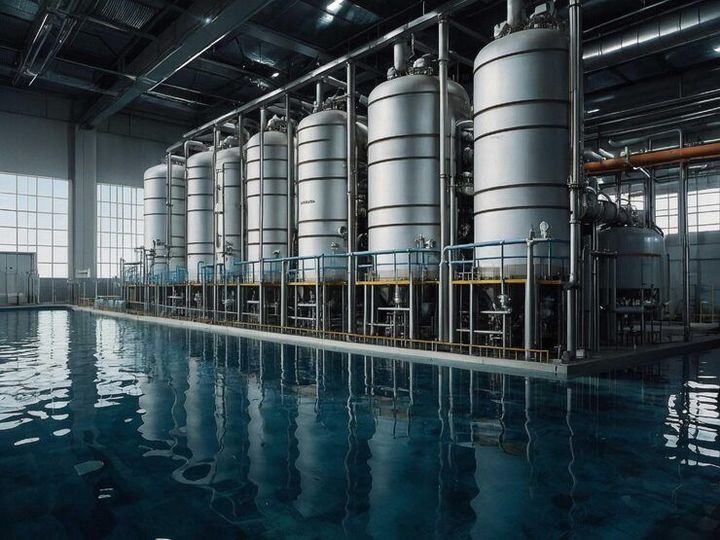
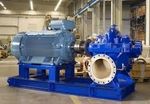
Desalination technology has evolved significantly over the years. Traditional methods such as thermal distillation have been complemented by advanced processes like reverse osmosis (RO), which uses semi-permeable membranes to filter out salt and contaminants .
Today, desalination units range from large-scale industrial plants to compact systems used in remote areas. These systems help convert saline water into potable or usable water for various needs.
Common Types of Desalination Systems
-
Reverse osmosis (RO) systems
-
Multi-stage flash distillation (MSF)
-
Multi-effect distillation (MED)
-
Electrodialysis systems
Each system operates differently but shares the same goal of producing fresh water from saline sources.
Why Water Desalination Units Matter Today
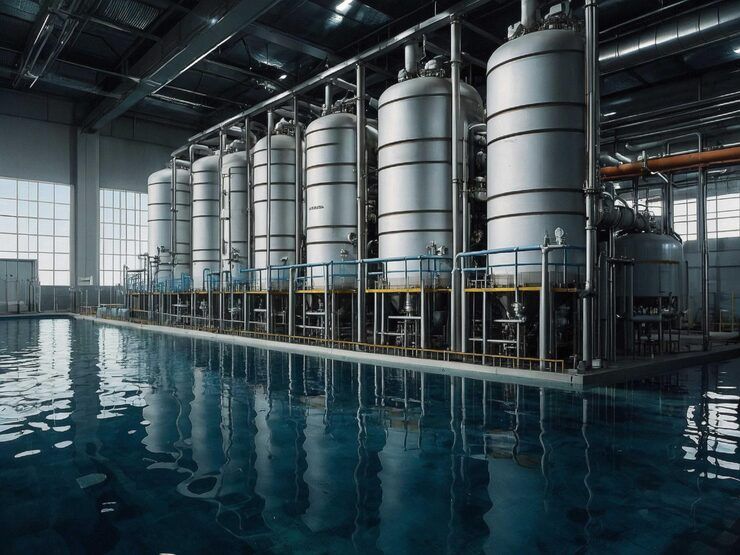
Water desalination units play a critical role in addressing global water challenges. Increasing water demand, climate variability, and population growth have made freshwater resources more limited .
Desalination provides a reliable alternative water source, especially in coastal and arid regions where natural freshwater is scarce.
Key Beneficiaries
-
Coastal cities facing groundwater depletion
-
Agricultural regions with salinity issues
-
Industries requiring high-purity water
-
Communities affected by drought
Major Benefits
-
Reduces dependency on rainfall
-
Provides stable water supply during droughts
-
Supports industrial and manufacturing processes
-
Enhances long-term water security
Despite its advantages, desalination still faces challenges such as energy consumption and environmental impact.
Recent Developments and Trends in 2025
The year 2025 has seen major advancements in desalination technology. Renewable energy integration has become a key focus, helping reduce operational costs and environmental impact .
Modern desalination systems now incorporate advanced materials and smart monitoring tools.
Key Innovations
-
Solar-powered reverse osmosis systems
-
Graphene-based membranes for improved filtration
-
AI-driven monitoring and optimization systems
-
Modular desalination units for decentralized use
Hybrid systems combining thermal and membrane processes are also gaining popularity. These systems improve efficiency while reducing overall energy use.
Regulations and Policy Frameworks
Desalination projects are governed by strict regulations to ensure safety and environmental protection. In India, several authorities oversee these systems to maintain compliance .
Regulatory Bodies in India
-
Central Pollution Control Board (CPCB)
-
Ministry of Environment, Forest and Climate Change (MoEFCC)
-
Bureau of Indian Standards (BIS)
Key Compliance Requirements
-
Safe disposal of brine and chemical waste
-
Environmental impact assessments (EIA)
-
Adherence to drinking water quality standards
-
Monitoring marine ecosystems
Global standards such as ISO guidelines also help ensure consistent system performance and safety.
Tools and Resources for Water Desalination
Various tools support the design, monitoring, and operation of desalination systems. These tools improve efficiency and help maintain system performance over time .
Common Tools
-
Water quality testing kits
-
Reverse osmosis design calculators
-
Energy monitoring software
-
SCADA systems
-
Simulation software
Helpful Resources
-
Technical manuals on membrane technology
-
Government water resource portals
-
Environmental assessment templates
-
Research publications
Comparison of Desalination Technologies
| Technology Type | Energy Usage Level | Output Quality | Typical Application |
|---|
| Reverse Osmosis | Moderate | High | Municipal and industrial use |
| Multi-Effect Distillation | High | Very High | Large-scale plants |
| Electrodialysis | Low to Moderate | Moderate | Brackish water treatment |
Basic Desalination Process Flow
The desalination process follows a structured sequence to ensure water purity and safety.
Steps Involved
-
Intake of seawater or brackish water
-
Pre-treatment to remove particles
-
Filtration or distillation process
-
Post-treatment for mineral balance
-
Storage and distribution
Modern systems often use automation to monitor parameters such as pressure, flow rate, and membrane condition.
Frequently Asked Questions
What is the most common desalination method?
Reverse osmosis is the most widely used method due to its efficiency and scalability.
Is desalinated water safe for drinking?
Yes, properly treated desalinated water meets drinking standards and is safe for consumption.
Does desalination require a lot of energy?
Desalination can be energy-intensive, but newer systems and renewable energy integration are reducing energy requirements.
What happens to the removed salt?
Salt and concentrated brine are discharged back into the sea under regulated conditions.
Can desalination solve global water scarcity?
Desalination is an important solution, but it works best alongside water conservation and recycling efforts.
Additional Insights and Data Overview
Desalination capacity has expanded globally, particularly in water-scarce regions. Adoption levels vary depending on geographic and economic factors .
Regional Adoption Levels
| Region | Adoption Level |
|---|
| Middle East | Very High |
| North Africa | High |
| Asia-Pacific | Growing Rapidly |
| Europe | Moderate |
Key Performance Indicators
-
Energy consumption per cubic meter
-
Water recovery rate
-
Membrane lifespan
-
Operational efficiency
Conclusion
Water desalination units are an essential part of modern water management strategies. They provide a reliable way to convert saline water into usable resources and support growing global demand .
Technological advancements such as renewable energy integration and improved filtration materials are making desalination more efficient and sustainable. Regulatory frameworks ensure safe operations while minimizing environmental impact.
As innovation continues, desalination will remain a key solution for addressing global water scarcity challenges.