Wheel Alignment Machines Guide: Learn How They Improve Vehicle Safety and Tire Life
Wheel alignment machines are specialized automotive diagnostic systems used to measure and adjust the angles of a vehicle’s wheels. These machines ensure that the wheels are aligned according to manufacturer specifications, allowing the vehicle to travel straight, maintain stability, and reduce unnecessary tire wear.
In modern automotive engineering, wheel alignment is a crucial part of vehicle maintenance and safety. Cars, trucks, and electric vehicles rely on accurate wheel positioning to maintain proper contact with the road surface. Wheel alignment machines provide precise measurements that help detect misalignment caused by road impacts, suspension changes, or regular usage.
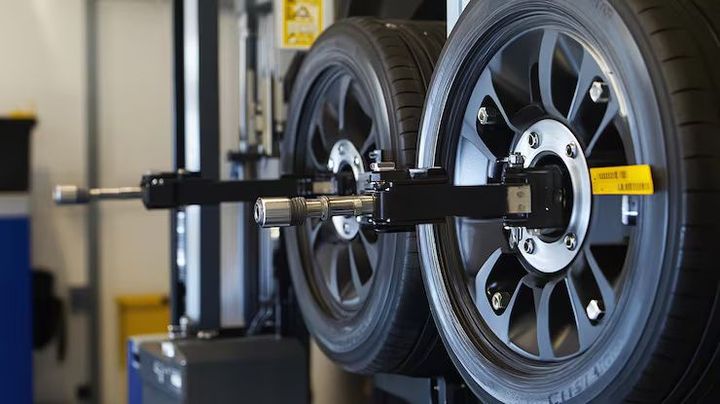
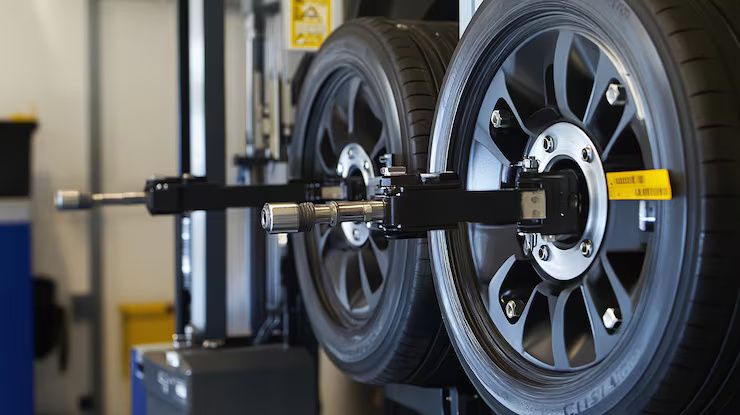
Wheel alignment machines use advanced sensors, cameras, and software to analyze wheel positioning. These systems measure key angles such as camber, caster, and toe to ensure optimal performance and stability.
Key Wheel Alignment Angles
Camber
Camber refers to the inward or outward tilt of the wheel when viewed from the front. Proper camber ensures even tire contact with the road and prevents uneven wear.
Caster
Caster is the angle of the steering axis when viewed from the side. It plays a major role in steering stability and vehicle balance.
Toe
Toe describes the direction the wheels point relative to each other. Correct toe alignment improves handling and reduces tire wear.
Why Wheel Alignment Machines Matter in Modern Transportation
Wheel alignment technology plays a vital role in improving vehicle safety and efficiency. Misaligned wheels can negatively affect both performance and driving comfort.
When alignment is incorrect, several issues may occur:
- Uneven tire wear
- Reduced fuel efficiency
- Steering instability
- Increased stress on suspension components
- Poor vehicle handling
These machines help identify issues early, preventing costly repairs and safety risks.
Impact of Modern Automotive Trends
The importance of wheel alignment has increased due to evolving automotive technologies. Electric vehicles, for example, create different stress patterns due to battery weight and torque characteristics.
Advanced driver assistance systems (ADAS) also rely on precise alignment for proper functionality. Even small deviations can affect sensor accuracy and steering response.
Recent Technology Developments and Industry Trends
Wheel alignment technology has advanced significantly in recent years. Modern systems now offer faster and more accurate diagnostics compared to older equipment.
Key Developments (2024–2025)
- Wider use of 3D camera alignment systems
- Integration with ADAS calibration tools
- AI-based diagnostic analysis
- Cloud-based vehicle data platforms
Many new systems can automatically retrieve manufacturer specifications and update databases in real time. This improves efficiency and reduces manual input.
Emerging Innovations
Touchless wheel alignment scanning is gaining popularity as it eliminates the need for direct sensor attachment. This reduces setup time and increases measurement consistency.
Digital vehicle inspection systems are also becoming common, allowing technicians to generate electronic reports and track maintenance history efficiently.
Regulations, Safety Standards, and Government Policies
Wheel alignment is closely linked to vehicle safety regulations and maintenance standards. Governments emphasize proper alignment to improve road safety and reduce accidents.
Key Regulatory Areas
- Vehicle safety inspection standards
- Automotive manufacturing guidelines
- Environmental policies on tire waste
- Workplace safety regulations
In India, Automotive Industry Standards (AIS) and Central Motor Vehicle Rules (CMVR) guide vehicle safety and performance. These regulations encourage proper maintenance of steering and suspension systems.
International standards such as ISO also influence equipment quality and workshop safety practices.
Tools and Digital Resources for Wheel Alignment
Modern alignment processes rely on a combination of digital tools and hardware systems. These tools help technicians achieve precise measurements and maintain accurate settings.
Common Digital Tools
- Vehicle diagnostic scanners
- ADAS calibration software
- Digital inspection platforms
- Automotive service databases
- Alignment specification software
Key Hardware Components
- High-resolution cameras
- Wheel clamps and targets
- Computer processing systems
- Alignment sensors
Comparison of Alignment Machine Technologies
Below is a comparison of different alignment technologies used in automotive workshops:
| Technology Type | Measurement Method | Accuracy Level | Common Use |
|---|---|---|---|
| Laser Alignment | Laser beams and mirrors | Moderate | Older alignment systems |
| CCD Alignment | Electronic sensors | High | Digital diagnostic systems |
| 3D Alignment | Camera-based measurement | Very High | Modern automotive workshops |
Wheel Alignment Process
The alignment process follows a structured sequence to ensure accuracy and consistency.
Steps Involved
- Vehicle Positioning: Vehicle placed on alignment platform
- Sensor Installation: Targets or cameras attached to wheels
- Measurement: System scans wheel angles
- Data Analysis: Software compares values to specifications
- Adjustment: Corrections made if required
Alignment Parameter Overview
| Alignment Parameter | Ideal Range Description |
|---|---|
| Camber | Slight inward tilt |
| Caster | Positive steering angle |
| Toe | Slight inward direction |
Frequently Asked Questions
What is wheel alignment in a vehicle?
Wheel alignment refers to adjusting the angles of the wheels according to manufacturer specifications. This ensures stable driving, even tire wear, and proper steering response.
How do wheel alignment machines work?
They use sensors, cameras, or lasers to measure wheel angles relative to the vehicle chassis. Software analyzes the data and identifies any misalignment.
What are the signs of wheel misalignment?
Common signs include uneven tire wear, pulling to one side, vibrations, and reduced handling stability.
What types of vehicles use alignment machines?
These machines are used for passenger cars, trucks, buses, electric vehicles, and performance vehicles.
Why is alignment important for tire lifespan?
Misalignment causes uneven pressure on tires, leading to irregular wear and reduced lifespan. Proper alignment helps maintain traction and durability.
Conclusion
Wheel alignment machines are essential tools in modern automotive maintenance and diagnostics. They ensure accurate wheel positioning, improving vehicle stability, steering precision, and tire longevity.
As automotive technology evolves, alignment systems are becoming more advanced with features like 3D imaging, AI diagnostics, and ADAS integration. These innovations enhance accuracy and efficiency in vehicle maintenance.
Regulations and environmental considerations also highlight the importance of proper alignment. Maintaining correct wheel geometry helps reduce tire waste, improve safety, and support efficient vehicle performance.