Wheel Trencher Overview: Important Details Every Equipment Professional Should Know
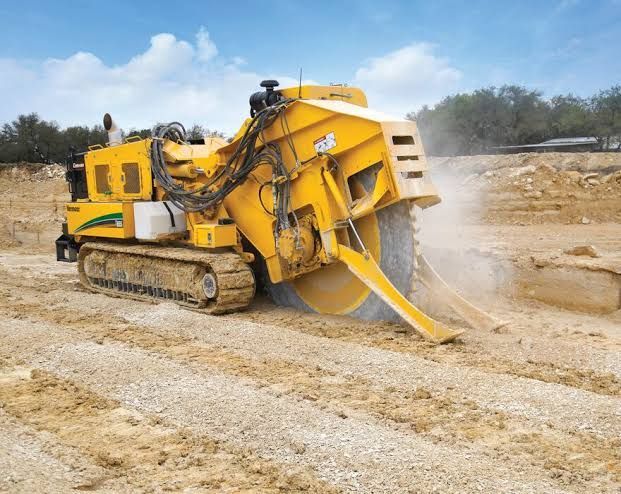
A wheel trencher is a type of heavy construction machinery designed to create narrow, continuous trenches in soil, compact ground, and certain types of rock.
Unlike digging methods that remove material with a bucket, a wheel trencher machine uses a large rotating wheel fitted with cutting teeth to excavate a trench while moving forward. This design allows the machine to produce trenches with consistent width and depth for many construction and infrastructure activities.
The development of the trenching machine came from the growing need to install underground utilities more efficiently as cities and transportation networks expanded. Today, different models are used for utility trenching equipment, cable trenching equipment, drainage projects, irrigation systems, and road trenching equipment. Some machines are built for softer ground, while others are designed to work in harder terrain.
Modern equipment is available in several configurations. A hydraulic wheel trencher relies on hydraulic systems to power the cutting wheel, providing smooth control during excavation. A rock wheel trencher is designed with stronger cutting components to handle tougher surfaces. Some projects also use a chain and wheel trencher, allowing operators to select the digging method that matches local ground conditions.
The choice of equipment depends on factors such as trench depth, soil composition, project size, and the type of underground utility installation equipment required. Understanding these differences helps explain why trenchers remain an important part of modern construction projects.
Importance
Supporting Infrastructure Development
Trenches are necessary for installing water pipelines, electrical cables, communication networks, drainage systems, and gas distribution lines. A wheel trencher helps create these pathways with consistent dimensions, making underground installation more organized.
As cities continue expanding, underground utility installation equipment plays a significant role in reducing surface disruption while creating space for essential infrastructure beneath roads, sidewalks, and open land.
Improving Project Consistency
A wheel trencher machine can maintain a relatively uniform trench profile compared with some general excavation methods. Consistent trench dimensions help simplify later installation stages for pipes, conduits, and cables.
This consistency is especially useful for cable trenching equipment and utility trenching equipment used in transportation, telecommunications, and public infrastructure projects.
Working Across Different Ground Conditions
Construction sites rarely have identical soil conditions. Some locations contain loose soil, while others include clay, gravel, compacted earth, or rock.
Different trenching machine designs address these conditions:
- Hydraulic wheel trencher models are commonly used where smooth hydraulic control is important.
- Rock wheel trencher equipment is intended for tougher ground containing stone or compact rock.
- Chain and wheel trencher designs provide flexibility for projects with varying excavation requirements.
Common Applications
Wheel trenchers are used across numerous sectors, including:
- Utility pipeline installation
- Electrical cable placement
- Fiber optic network construction
- Irrigation system development
- Drainage construction
- Road trenching equipment applications
- Renewable energy infrastructure
- Industrial site preparation
Recent Updates
Continued Focus on Automation
Recent equipment development has emphasized improved operator assistance and machine monitoring rather than completely replacing human operators. Many newer machines include digital displays that monitor engine performance, hydraulic pressure, and operating conditions.
These systems help operators observe machine performance during excavation and identify maintenance needs earlier.
Improved Precision Technologies
Manufacturers have continued integrating positioning technologies into commercial trenching equipment. Some machines now work alongside satellite positioning or digital project mapping systems, helping excavation follow planned routes with greater accuracy.
These technologies are especially useful when working near existing underground infrastructure.
Environmental Considerations
Current industry trends also focus on reducing fuel consumption, lowering emissions, and managing noise levels where practical. Some hydraulic systems have become more efficient, while engine designs continue evolving to meet environmental standards established in different regions.
Enhanced Safety Features
Modern heavy construction machinery increasingly includes additional safety technologies such as:
- Camera systems for improved visibility
- Operator alert systems
- Emergency shutdown controls
- Stability monitoring
- Improved lighting for reduced-visibility conditions
These developments aim to improve awareness during excavation without changing the basic operating principles of the machine.
Data Integration
Construction projects increasingly use digital project management systems. Some trenching machine models can share operational information with fleet management software, allowing project managers to review machine activity, maintenance records, and operating hours.
Laws or Policies
Wheel trenchers are commonly used on projects that involve public infrastructure, utilities, transportation, and construction. Because excavation can affect underground networks and public safety, multiple regulations typically apply.
The exact requirements differ between countries, states, and local authorities. Common regulatory areas include:
- Excavation permits before digging begins
- Utility location requirements to identify buried infrastructure
- Worker safety standards during excavation
- Environmental protection measures
- Traffic management near public roads
- Equipment inspection and maintenance requirements
Many governments require contractors to verify the location of underground pipelines, electrical lines, communication cables, and water systems before excavation starts. This process reduces the possibility of accidental damage.
Projects involving road trenching equipment may also require temporary traffic control plans and coordination with transportation authorities.
Environmental regulations may address erosion control, dust management, water protection, and proper handling of excavated materials, particularly near waterways or environmentally sensitive locations.
Tools and Resources
Several resources help construction professionals plan trenching activities more effectively.
Planning and Mapping Resources
Digital mapping platforms can display utility layouts, project boundaries, and terrain information before excavation begins. Geographic Information System (GIS) software is commonly used during planning.
Machine Manuals
Equipment manufacturers publish operating manuals covering machine controls, maintenance schedules, inspection procedures, and safety guidance for hydraulic wheel trencher and other equipment types.
Fleet Management Platforms
Many construction organizations use fleet management software to monitor:
- Equipment operating hours
- Fuel usage
- Maintenance schedules
- Machine location
- Utilization reports
Construction Estimators
Project estimation software helps calculate excavation quantities, trench dimensions, material volumes, and project timelines based on engineering plans.
Technical Standards
Engineering organizations and transportation authorities publish technical guidance covering trench dimensions, utility installation practices, and excavation safety. These documents provide consistent reference information for infrastructure projects.
Typical Wheel Trencher Comparison
| Equipment Type | Typical Ground Condition | Common Applications | Main Characteristic |
|---|---|---|---|
| Wheel trencher | Soil and compact ground | Utility installation | Consistent trench width |
| Hydraulic wheel trencher | Mixed ground conditions | Infrastructure projects | Hydraulic control system |
| Rock wheel trencher | Rock and hard surfaces | Mining and road work | Reinforced cutting wheel |
| Chain and wheel trencher | Variable terrain | Utility and pipeline projects | Multiple trenching methods |
FAQs
What is a wheel trencher machine used for?
A wheel trencher machine is primarily used to excavate narrow trenches for pipelines, electrical cables, drainage systems, communication networks, and other underground infrastructure.
How is a hydraulic wheel trencher different from other trenching equipment?
A hydraulic wheel trencher uses hydraulic power to operate the cutting wheel and machine functions. This design supports controlled excavation across a variety of ground conditions.
When is a rock wheel trencher commonly used?
A rock wheel trencher is generally selected for excavation in hard ground, compact rock, or areas where standard trenching equipment may not perform as efficiently.
What is the difference between a chain and wheel trencher?
A chain and wheel trencher refers to equipment that uses either a digging chain or a rotating cutting wheel, depending on the machine design and excavation requirements. Each approach is suited to different trench shapes and ground conditions.
Why is underground utility installation equipment important?
Underground utility installation equipment helps create space for pipelines, electrical systems, communication cables, and drainage networks while supporting organized infrastructure development beneath the surface.
Conclusion
A wheel trencher remains an important part of modern infrastructure construction because it creates consistent trenches for many underground installations. Different machine designs, including hydraulic wheel trencher and rock wheel trencher models, are intended for varying ground conditions and project requirements. Current developments emphasize digital monitoring, improved safety features, and better project integration. Understanding how these machines operate helps explain their continuing role in construction and underground utility projects.