Zero Liquid Discharge Systems Overview: Technologies and Industrial Applications
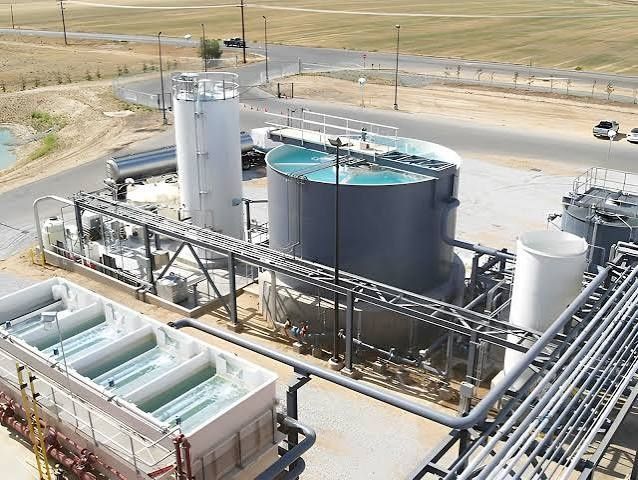
Zero liquid discharge systems are industrial water management systems designed to prevent liquid wastewater from leaving an industrial facility.
Instead of releasing treated water into rivers, drains, or other receiving environments, these systems recover water for reuse and convert the remaining concentrated material into solid or semi-solid waste.
ZLD water treatment systems developed in response to concerns about water scarcity, industrial pollution, and stricter wastewater controls. They are commonly associated with industries that produce large amounts of wastewater containing salts, minerals, chemicals, or other dissolved materials.
How Zero Liquid Discharge Works
A zero liquid discharge plant usually combines several treatment stages. The exact arrangement depends on wastewater quality, plant size, and the intended level of water recovery.
| Treatment Stage | Main Function |
|---|---|
| Pretreatment | Removes suspended solids and adjusts water chemistry |
| Membrane filtration | Separates water from dissolved contaminants |
| Concentration | Reduces the volume of remaining liquid |
| Evaporation | Removes additional water through heat |
| Crystallization | Converts concentrated salts into solid material |
| Water recovery | Returns treated water to industrial processes |
Membrane filtration systems, including reverse osmosis and ultrafiltration, often form an important part of industrial zero liquid discharge. Thermal equipment may then handle the concentrated stream that membranes cannot process efficiently.
Importance
Industrial wastewater treatment has become increasingly important as industries face water shortages, pollution concerns, and pressure on freshwater sources. Facilities in sectors such as textiles, chemicals, power generation, pharmaceuticals, mining, and food processing may produce wastewater with complex contaminants.
Wastewater recycling systems can reduce the amount of freshwater required for repeated industrial processes. Industrial water recycling also helps facilities manage wastewater within a controlled treatment system rather than depending entirely on external discharge routes.
Zero liquid discharge systems can address several practical challenges:
- Reduced dependence on freshwater intake through water reuse
- Lower liquid discharge into surrounding environments
- Better control of concentrated salts and dissolved contaminants
- Support for industrial operations in water-stressed regions
- Improved tracking of water use and wastewater generation
However, ZLD systems can require significant energy, careful operation, and regular monitoring. Their suitability depends on wastewater composition, regulatory requirements, available space, and the technical design of the facility.
Recent Updates
From 2024 through 2026, the general direction of ZLD development has focused on improving energy efficiency, automation, membrane performance, and resource recovery. Industrial water treatment systems are increasingly using sensors and digital monitoring to track flow, pressure, conductivity, temperature, and water quality.
Another trend is the wider use of advanced membrane filtration systems before thermal treatment. By removing more water through membranes, facilities may reduce the volume that must enter energy-intensive evaporation and crystallization stages.
Industrial desalination systems are also becoming more closely connected with wastewater reuse strategies. In some applications, technologies developed for desalination are adapted to recover water from high-salinity industrial streams.
There is also growing interest in recovering useful salts or other materials from concentrated wastewater where technically practical. This approach treats some waste streams as potential material sources rather than only as disposal challenges.
Laws or Policies
In India, industrial wastewater management is shaped by environmental laws, pollution-control requirements, and conditions applied to particular industrial sectors. The Water (Prevention and Control of Pollution) Act, 1974 provides a major legal framework for controlling water pollution.
The Central Pollution Control Board and State Pollution Control Boards play important roles in setting and enforcing wastewater requirements. Depending on the industry, location, and pollution level, a facility may need to meet specific discharge standards or adopt stricter wastewater management measures.
ZLD requirements have been applied in certain pollution-intensive sectors and locations, including parts of the textile industry. Environmental approvals and regulatory conditions may also influence whether a zero liquid discharge plant is required for a particular facility. Requirements can differ by industry and state, so ZLD is not a single universal rule for every industrial site.
Tools and Resources
Several tools and information sources can help people understand industrial wastewater treatment and ZLD planning:
- Water balance worksheets for tracking water entering, circulating within, and leaving a facility
- Membrane design tools for estimating filtration performance
- Conductivity, pH, and total dissolved solids meters for water-quality monitoring
- Flow meters and digital monitoring platforms for tracking water movement
- Central Pollution Control Board documents for pollution-control guidance
- State Pollution Control Board portals for regional requirements
- Process simulation tools for examining evaporation and water-recovery stages
ZLD plant manufacturers and engineering teams may use laboratory analysis, pilot testing, and water-balance data when designing treatment arrangements. Wastewater treatment equipment must be selected according to the characteristics of the actual wastewater stream.
FAQs
What are zero liquid discharge systems?
Zero liquid discharge systems are treatment arrangements designed to recover water from industrial wastewater while leaving no routine liquid wastewater stream for environmental discharge. Remaining contaminants are concentrated into solid or semi-solid material.
How do ZLD water treatment systems recover water?
ZLD water treatment systems may use pretreatment, membrane separation, reverse osmosis, evaporation, and crystallization. Recovered water can then return to suitable industrial processes.
Which industries use industrial zero liquid discharge?
Industrial zero liquid discharge is used in sectors that may generate high volumes of complex or saline wastewater. Examples include textiles, power generation, chemicals, pharmaceuticals, mining, and some manufacturing activities.
What is the role of membrane filtration systems in a ZLD plant?
Membrane filtration systems separate water from dissolved and suspended materials. They can reduce the amount of concentrated wastewater that must undergo thermal treatment.
Is a zero liquid discharge plant suitable for every facility?
Not necessarily. Suitability depends on wastewater characteristics, water-reuse goals, energy needs, available infrastructure, and regulatory conditions. Each industrial application requires technical evaluation.
Conclusion
Zero liquid discharge systems combine water recovery, concentration, and solid-waste management to reduce or eliminate routine liquid wastewater discharge. Technologies such as membrane separation, evaporation, and crystallization support industrial water recycling across several sectors. Current developments focus on efficiency, automation, and greater recovery of water and materials. Regulatory requirements and wastewater characteristics remain important factors in determining how these systems are applied.