A Complete Guide to 3D Printing Processes Materials and Manufacturing Methods
Manufacturing technologies have evolved dramatically over the past few decades, and one of the most transformative innovations is 3D printing.
Also known as additive manufacturing, 3D printing enables the creation of physical objects directly from digital designs by building them layer by layer.
What began as a rapid prototyping technology has expanded into industries such as aerospace, healthcare, automotive manufacturing, consumer products, architecture, education, and industrial engineering. Today, organizations use 3D printing to develop prototypes, create customized products, manufacture production components, and explore innovative design possibilities.
What really matters is that 3D printing changes the traditional manufacturing approach. Instead of removing material from a larger block, additive manufacturing builds objects precisely where material is needed, enabling greater design flexibility and material efficiency.
This guide explores the fundamentals of 3D printing, explains major printing processes, examines commonly used materials, and highlights the manufacturing methods shaping the future of production.
What Is 3D Printing?
3D printing is a manufacturing process that creates three-dimensional objects from digital design files.
The process involves adding material layer by layer until the final object is completed. A digital model serves as the blueprint, guiding the printer throughout the production process.
Unlike conventional manufacturing methods that often involve cutting, drilling, or molding materials, 3D printing creates components through additive techniques.
This matters because additive manufacturing can produce complex shapes that may be difficult or impossible to create using traditional methods.
A practical example is an engineer creating a prototype component directly from a computer-aided design file without requiring specialized tooling.
How 3D Printing Works
The 3D printing workflow typically follows several key stages.
Digital Design Creation
A three-dimensional model is created using design software.
File Preparation
The design is converted into a format suitable for the printer.
Slicing Process
Software divides the model into thin horizontal layers.
Printing
The printer builds the object layer by layer.
Post-Processing
The finished part may undergo cleaning, finishing, or additional treatment.
These stages work together to transform digital concepts into physical objects.
Understanding Additive Manufacturing
Additive manufacturing refers to the broader category of technologies that create products by adding material incrementally.
The term encompasses multiple 3D printing processes, materials, and applications. While the terms are often used interchangeably, additive manufacturing generally describes the industrial and production-focused aspects of 3D printing.
The real difference appears when additive manufacturing is integrated into production workflows rather than being used solely for prototyping.
A real-world example is a manufacturer producing custom components directly through additive manufacturing technologies.
Major 3D Printing Processes
Several different printing technologies are used depending on application requirements, materials, and desired outcomes.
Material Extrusion
Material is heated and deposited layer by layer through a nozzle.
Vat Photopolymerization
Liquid resin is hardened using controlled light exposure.
Powder Bed Fusion
Thermal energy selectively fuses powdered materials.
Material Jetting
Droplets of material are deposited and cured during printing.
Binder Jetting
A binding agent is applied to powdered materials to form objects.
Each process offers distinct advantages depending on manufacturing goals.
Material Extrusion Technology
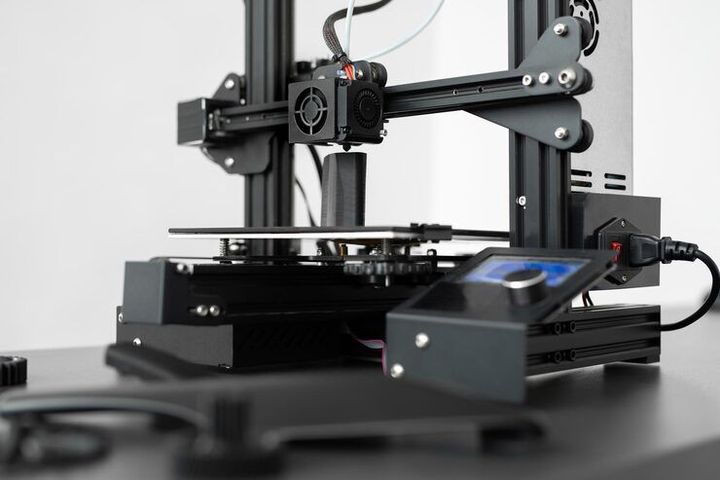
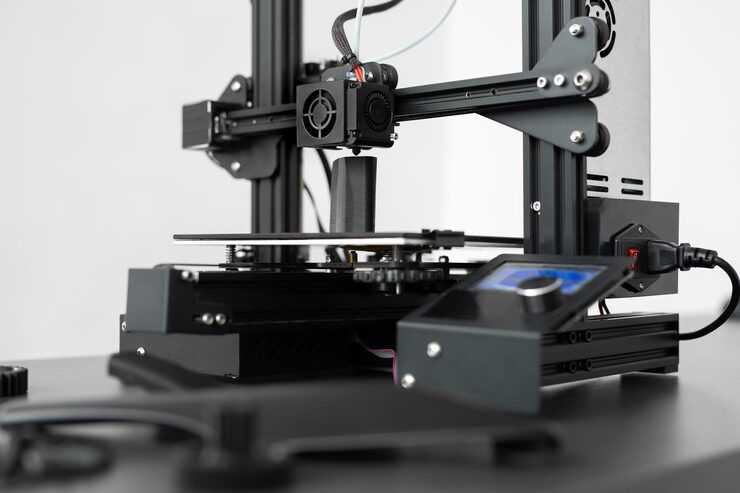
Material extrusion is one of the most widely recognized 3D printing methods.
In this process, material is fed through a heated nozzle and deposited according to the digital design. The material solidifies as layers accumulate to form the final object.
This method is commonly used for:
- Prototyping
- Educational applications
- Product development
- Design validation
Its accessibility has helped make 3D printing more widely available across industries and learning environments.
Resin-Based Printing Methods
Resin printing technologies use liquid photopolymer materials that solidify when exposed to controlled light sources.
These processes are often selected when high levels of detail and smooth surface finishes are required. Industries such as healthcare, product design, and engineering frequently utilize resin-based printing methods.
This matters because some applications require precision that exceeds the capabilities of other printing technologies.
A practical example is producing highly detailed design models for product evaluation.
Metal 3D Printing Technologies
Metal additive manufacturing has expanded rapidly in recent years.
These technologies allow manufacturers to create complex metal components with advanced geometries and performance characteristics. Metal printing is commonly utilized in industries requiring high-performance parts.
Applications include:
- Aerospace components
- Medical devices
- Industrial equipment
- Engineering prototypes
The real difference appears when metal additive manufacturing enables designs that are difficult to achieve through traditional production methods.
Common 3D Printing Materials
Material selection plays a major role in determining the performance and characteristics of printed objects.
Plastics
Widely used for prototypes, models, and functional parts.
Resins
Often selected for detailed and precision-focused applications.
Metals
Used for high-performance industrial components.
Composite Materials
Combine multiple material properties to achieve specific objectives.
Specialized Materials
Developed for unique industrial, medical, or engineering applications.
Understanding material options helps users choose solutions that align with project requirements.
Comparing Popular 3D Printing Materials
| Material Type | Common Applications | Key Characteristics |
|---|---|---|
| Plastic | Prototypes and Models | Versatility |
| Resin | Detailed Components | Precision |
| Metal | Industrial Parts | Strength |
| Composite | Engineering Applications | Enhanced Properties |
| Specialized Materials | Advanced Uses | Application-Specific Performance |
These material categories support a broad range of manufacturing objectives.
Advantages of 3D Printing
3D printing offers several benefits compared with certain traditional manufacturing methods.
Potential advantages include:
- Design flexibility
- Rapid prototyping
- Reduced material waste
- Customization opportunities
- Simplified production workflows
These benefits help explain why additive manufacturing continues gaining adoption across industries.
A real-world example is a product development team quickly testing multiple design variations before finalizing production specifications.
Applications Across Industries
3D printing supports a wide variety of industries and use cases.
Manufacturing
Supports prototyping and production activities.
Healthcare
Used for medical models and specialized applications.
Aerospace
Enables lightweight and complex component designs.
Automotive
Supports design, testing, and manufacturing processes.
Education
Provides hands-on learning opportunities in engineering and design.
These diverse applications demonstrate the flexibility of additive manufacturing technologies.
Challenges and Considerations
While 3D printing offers many advantages, certain considerations remain important.
Factors that may influence technology selection include:
- Material requirements
- Production volume
- Surface finish expectations
- Mechanical performance needs
- Post-processing requirements
A practical example is comparing additive manufacturing with conventional production methods for high-volume manufacturing applications.
The real difference appears when organizations select manufacturing technologies based on specific operational goals.
Decision Guide for Choosing a 3D Printing Method
Selecting an appropriate 3D printing process involves evaluating multiple factors.
Project complexity often influences technology choice because different methods offer different levels of detail and performance. Material requirements also play a major role in determining suitable manufacturing approaches.
Organizations frequently consider:
- Part geometry
- Material selection
- Performance requirements
- Production objectives
- Desired surface quality
A practical example is comparing a conceptual prototype with a functional industrial component. Both may utilize 3D printing, but process and material requirements differ significantly.
Future Trends in 3D Printing
The future of additive manufacturing continues to evolve through technological innovation.
Automation is improving production efficiency and workflow integration. Artificial intelligence is helping optimize designs and manufacturing processes. Advanced materials are expanding the range of possible applications.
Large-scale additive manufacturing systems are supporting industrial production initiatives, while multi-material printing technologies are enabling more sophisticated product designs.
Sustainability is also influencing development efforts through material efficiency improvements and resource-conscious manufacturing practices.
What really matters is how these advancements continue expanding the capabilities of additive manufacturing across industries.
FAQ
1. What is 3D printing?
3D printing is an additive manufacturing process that creates physical objects layer by layer from digital design files.
2. How does 3D printing differ from traditional manufacturing?
Traditional manufacturing often removes material, while 3D printing adds material incrementally to build an object.
3. What materials are used in 3D printing?
Common materials include plastics, resins, metals, composites, and specialized engineering materials.
4. What industries use 3D printing?
Manufacturing, healthcare, aerospace, automotive, education, and engineering industries commonly utilize additive manufacturing technologies.
5. What are the advantages of additive manufacturing?
Benefits may include design flexibility, customization, rapid prototyping, material efficiency, and streamlined development processes.
Conclusion
3D printing has transformed the way products are designed, developed, and manufactured. By enabling the layer-by-layer creation of physical objects from digital designs, additive manufacturing provides unprecedented flexibility and innovation opportunities across numerous industries.
From material extrusion and resin-based printing to advanced metal manufacturing technologies, organizations can choose from a wide range of processes and materials to meet specific production goals. Understanding the fundamentals of 3D printing helps individuals and businesses explore the possibilities of additive manufacturing and appreciate its growing role in the future of industrial production.