A Professional Guide to Waterproofing: Ensuring Safety & Property Value
Waterproofing is the process of preventing water from entering or damaging structures, surfaces, and materials. It is commonly used in buildings, bridges, tunnels, basements, roofs, bathrooms, and other areas exposed to moisture. The primary purpose of waterproofing is to reduce the risk of water infiltration that can lead to structural deterioration, mold growth, corrosion, and other forms of damage.
The concept of waterproofing has existed for centuries. Ancient civilizations used natural materials such as bitumen, clay, and stone coatings to protect structures from water. As construction methods evolved, waterproofing technologies became more advanced, incorporating synthetic membranes, polymer coatings, and specialized sealants.
Modern construction projects often include waterproofing during the design and building stages. This approach helps improve durability and supports the long-term performance of structures exposed to rain, groundwater, humidity, or flooding conditions.
How Waterproofing Works
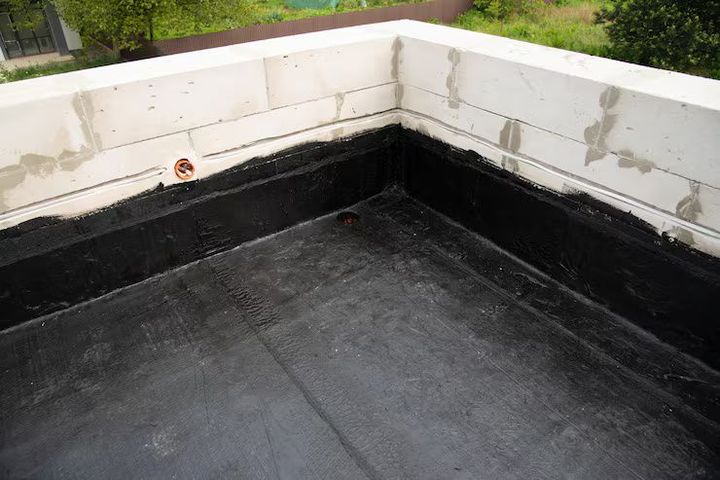
Waterproofing creates a protective barrier between a structure and water. Depending on the application, this barrier may be applied as a coating, sheet membrane, sealant, or specialized treatment.
Common waterproofing methods include:
- Liquid-applied membranes
- Bituminous coatings
- Cementitious waterproofing
- Polyurethane systems
- Sheet membrane installations
- Crystalline waterproofing treatments
Each method is designed for specific environmental conditions and construction requirements.
Common Areas Requiring Waterproofing
Many parts of residential, commercial, and industrial buildings benefit from waterproofing protection.
| Area | Purpose of Waterproofing |
|---|---|
| Roofs | Protection from rainfall |
| Basements | Prevention of groundwater intrusion |
| Bathrooms | Moisture control |
| Balconies | Surface protection |
| Foundations | Structural protection |
| Water Tanks | Water containment |
| Tunnels | Resistance to seepage |
| Bridges | Environmental protection |
These applications demonstrate the broad role waterproofing plays in construction and infrastructure maintenance.
Importance
Protecting Structural Integrity
One of the primary reasons waterproofing is important is its role in protecting structural materials. Water can weaken concrete, corrode steel reinforcement, and damage building components over time.
When moisture enters structural elements repeatedly, it can contribute to cracking, expansion, and long-term deterioration.
Reducing Moisture-Related Problems
Excess moisture can create conditions that encourage mold, mildew, and fungal growth. These issues may affect indoor environments and damage walls, ceilings, flooring, and furnishings.
Waterproofing helps reduce the likelihood of moisture accumulation in vulnerable areas.
Supporting Building Longevity
Buildings and infrastructure represent significant investments in resources and materials. Waterproofing helps preserve these assets by reducing exposure to water-related wear and environmental stress.
This protection can contribute to longer operational lifespans for structures.
Addressing Climate Challenges
Many regions experience heavy rainfall, storms, flooding, or high humidity levels. Waterproofing has become increasingly important as weather patterns become more unpredictable.
Construction professionals often incorporate waterproofing strategies to improve resilience against environmental conditions.
Improving Indoor Comfort
Water intrusion can lead to damp environments, unpleasant odors, and visible staining. Waterproofing measures help maintain dry indoor spaces and support comfortable living and working conditions.
This benefit applies to homes, schools, hospitals, offices, and public buildings.
Supporting Infrastructure Performance
Large infrastructure projects rely on waterproofing systems to maintain functionality.
Examples include:
- Underground transportation tunnels
- Parking structures
- Dams
- Water reservoirs
- Transportation bridges
- Utility installations
These systems help reduce maintenance requirements and environmental exposure.
Recent Updates
Growth of Sustainable Waterproofing Materials
Recent developments in construction have increased interest in environmentally conscious materials. Manufacturers continue developing waterproofing products with lower environmental impacts and improved durability.
This trend reflects broader sustainability goals within the construction sector.
Smart Monitoring Technologies
Some modern waterproofing systems now integrate monitoring technologies that help identify moisture intrusion before visible damage occurs.
Sensors and digital monitoring tools can assist facility managers in detecting issues early.
Increased Focus on Climate Resilience
As concerns about extreme weather events grow, waterproofing strategies are increasingly included in resilience planning.
Architects and engineers often evaluate local rainfall patterns, flood risks, and environmental conditions when selecting waterproofing solutions.
Improved Membrane Technologies
Advances in membrane manufacturing have resulted in materials with greater flexibility, durability, and resistance to environmental stress.
These improvements support performance in both new construction and renovation projects.
Integration with Green Building Practices
Waterproofing systems are increasingly designed to work alongside sustainable building features such as:
- Green roofs
- Rainwater harvesting systems
- Energy-efficient building envelopes
- Sustainable drainage solutions
This integration supports broader environmental objectives in modern construction.
Laws or Policies
Building Codes and Construction Standards
Most countries have building codes that establish requirements related to moisture protection, drainage, and structural durability.
These regulations help ensure buildings are designed to withstand environmental conditions and maintain safety standards.
Waterproofing Requirements for Public Infrastructure
Government-funded infrastructure projects often include detailed waterproofing specifications. These standards help maintain public safety and protect long-term infrastructure investments.
Requirements vary depending on project type and geographic conditions.
Environmental Regulations
Construction projects may be subject to environmental regulations that influence material selection and installation practices.
Some regulations focus on reducing environmental impacts associated with construction chemicals and waste management.
Occupational Safety Standards
Waterproofing applications may involve specialized materials and installation procedures. Workplace safety regulations help guide proper handling, storage, and application practices.
These requirements contribute to worker protection during construction activities.
Energy Efficiency Programs
Certain building efficiency programs recognize the importance of moisture management as part of overall building performance.
Proper waterproofing can support energy-efficient building envelopes by reducing moisture-related insulation issues.
Tools and Resources
Several tools and resources support waterproofing planning, installation, and maintenance.
Moisture Detection Equipment
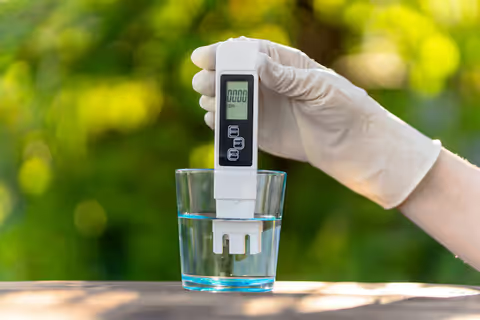
Moisture meters help identify hidden water intrusion within walls, floors, and ceilings. These devices assist inspectors and maintenance personnel in evaluating building conditions.
Building Information Modeling Software
Building Information Modeling (BIM) platforms enable architects and engineers to integrate waterproofing systems into project designs.
These tools improve coordination between construction disciplines.
Inspection Checklists
Inspection checklists help evaluate waterproofing installations and identify areas requiring maintenance or repair.
Common checklist categories include:
- Surface preparation
- Drainage assessment
- Membrane condition
- Joint sealing
- Water testing results
Construction Standards Publications
Industry organizations publish technical guidance documents that explain waterproofing methods, materials, and installation practices.
These resources support education and quality assurance efforts.
Project Management Platforms
Construction teams often use project management software to track schedules, inspections, documentation, and maintenance activities related to waterproofing systems.
| Tool Type | Primary Purpose |
|---|---|
| Moisture Meters | Detect water intrusion |
| BIM Software | Design coordination |
| Inspection Checklists | Quality evaluation |
| Standards Publications | Technical guidance |
| Project Management Platforms | Documentation and tracking |
These resources support effective planning and maintenance throughout a structure's lifecycle.
FAQs
What is waterproofing?
Waterproofing is the process of protecting structures and surfaces from water penetration through coatings, membranes, sealants, or other protective systems.
Why is waterproofing important in buildings?
Waterproofing helps reduce structural damage, moisture intrusion, mold growth, corrosion, and deterioration caused by water exposure.
Where is waterproofing commonly used?
Common applications include roofs, basements, bathrooms, foundations, balconies, tunnels, bridges, and water storage structures.
How long does waterproofing typically last?
The lifespan of waterproofing systems varies depending on material type, environmental conditions, installation quality, and maintenance practices.
What are the main types of waterproofing?
Major waterproofing methods include liquid membranes, cementitious systems, bituminous coatings, polyurethane applications, sheet membranes, and crystalline waterproofing treatments.
Conclusion
Waterproofing plays a critical role in protecting buildings and infrastructure from water-related damage. It supports structural durability, moisture control, and long-term performance across a wide range of construction applications. Advances in materials, monitoring technologies, and sustainable construction practices continue shaping modern waterproofing methods. As environmental challenges and urban development evolve, waterproofing remains an important component of safe and resilient construction.