Aerospace Component Manufacturing Guide: Aerospace Materials and Components
Aerospace component manufacturing is the process of designing, producing, testing, and inspecting parts used in aircraft, spacecraft, satellites, and defense systems. These components range from structural frames and engine parts to electronic systems and precision fasteners. Modern aerospace materials and components are developed to meet strict performance, durability, and safety requirements while operating in demanding environments.
The aerospace industry continues to evolve with advances in manufacturing technologies, lightweight materials, and digital engineering. Aerospace materials such as titanium, aluminum alloys, composite materials, and high-performance ceramics play a major role in improving fuel efficiency, reducing weight, and extending equipment life. Understanding aerospace component manufacturing helps students, engineers, manufacturers, policymakers, and aviation enthusiasts better understand how modern aerospace systems are built.
Context
Aerospace component manufacturing involves the production of highly precise parts used in commercial aviation, military aircraft, helicopters, satellites, launch vehicles, and space exploration missions. Every component must meet detailed engineering specifications and pass extensive quality inspections before being integrated into larger systems.
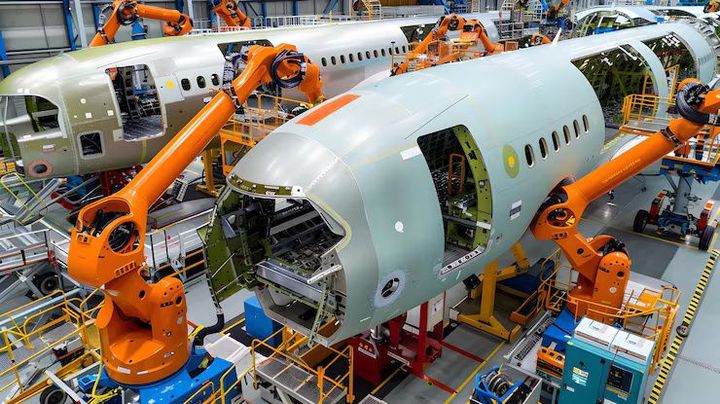
Manufacturers use advanced production methods such as CNC machining, precision casting, additive manufacturing, sheet metal forming, composite fabrication, and automated assembly. These processes help maintain dimensional accuracy while reducing material waste.
Common Aerospace Materials
Different aerospace materials are selected based on performance requirements.
| Material | Common Applications | Key Characteristics |
|---|---|---|
| Aluminum Alloys | Aircraft structures | Lightweight and corrosion resistant |
| Titanium Alloys | Engine components | High strength and heat resistance |
| Carbon Fiber Composites | Wings and fuselage | Lightweight with excellent stiffness |
| Stainless Steel | Landing gear parts | Strong and durable |
| Nickel Superalloys | Turbine blades | Performs under extreme temperatures |
The purpose of aerospace component manufacturing is to produce reliable components that perform safely throughout their operational life while complying with international quality and safety standards.
Importance
Aerospace manufacturing supports commercial aviation, national defense, scientific research, satellite communication, weather monitoring, and space exploration. Every aircraft depends on thousands of carefully manufactured components working together with exceptional precision.
The industry affects numerous sectors, including:
- Aircraft manufacturers
- Space organizations
- Defense industries
- Maintenance organizations
- Engineering research institutions
- Material science laboratories
Modern aerospace materials and components contribute to several important objectives:
- Reduced aircraft weight
- Improved fuel efficiency
- Enhanced passenger safety
- Lower maintenance requirements
- Greater environmental sustainability
- Longer operational lifespan
Reliable manufacturing also supports global transportation networks by helping aircraft maintain consistent operational performance.
Recent Updates
Between 2024 and 2026, aerospace component manufacturing has experienced significant technological progress driven by automation, digital engineering, and sustainability initiatives.
Emerging Manufacturing Trends
Several important developments include:
- Increased adoption of additive manufacturing for complex aerospace parts.
- Greater use of carbon fiber composites in commercial aircraft.
- Expansion of digital twin technology during design and production.
- Artificial intelligence supporting predictive quality inspection.
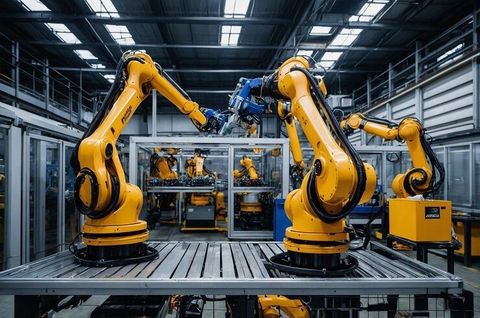
- Improved robotic automation within production facilities.
- Increased recycling of aerospace-grade metals.
- Greater emphasis on sustainable manufacturing practices.
- Enhanced inspection using automated 3D scanning and non-destructive testing.
Many manufacturers are also implementing Industry 4.0 technologies that connect machinery, sensors, and production data for improved manufacturing efficiency and quality control.
Supply chain resilience has also become a major priority following recent global disruptions. Companies are diversifying suppliers and investing in regional manufacturing capabilities to improve long-term production stability.
Laws or Policies
The aerospace sector operates under strict national and international regulations to maintain safety, quality, and reliability.
Several regulatory frameworks influence aerospace component manufacturing:
- Aviation safety regulations governing aircraft certification
- Manufacturing quality management standards
- Environmental protection regulations
- Export control requirements for sensitive aerospace technologies
- Workplace safety regulations
- Material traceability requirements
International quality standards commonly applied include:
- AS9100 Quality Management System
- ISO 9001 Quality Management
- NADCAP accreditation for special manufacturing processes
Government agencies in many countries also establish certification procedures for aircraft components before they are approved for operational use. Manufacturers must maintain detailed production records, inspection documentation, and traceability throughout the manufacturing lifecycle.
Environmental policies increasingly encourage energy-efficient production, waste reduction, responsible material handling, and improved recycling practices within aerospace manufacturing facilities.
Tools and Resources
Various digital platforms and technical resources help professionals involved in aerospace component manufacturing.
Useful resources include:
- Official aviation regulatory websites
- Engineering standards databases
- CAD software platforms
- CAM programming tools
- Finite Element Analysis software
- Material property databases
- Manufacturing simulation software
- Non-destructive testing guidelines
- Quality management documentation templates
Some organizations also provide technical publications, manufacturing standards, certification guidance, and educational materials for engineers and manufacturers.
Digital calculators commonly used during engineering include:
- Material weight estimators
- Tolerance calculators
- Stress analysis calculators
- Unit conversion tools
- Surface finish reference charts
These resources help improve manufacturing accuracy, engineering consistency, and regulatory compliance throughout the product lifecycle.
FAQs
What is aerospace component manufacturing?
Aerospace component manufacturing is the production of precision parts used in aircraft, spacecraft, satellites, and related aerospace systems using specialized materials and advanced manufacturing processes.
Which materials are commonly used in aerospace manufacturing?
Common aerospace materials include aluminum alloys, titanium alloys, carbon fiber composites, stainless steel, nickel-based superalloys, and advanced ceramics depending on the intended application.
Why are aerospace components manufactured with high precision?
Small dimensional variations can affect aircraft safety, structural integrity, engine performance, and system reliability. High precision helps ensure consistent operation under demanding conditions.
What technologies are shaping aerospace manufacturing?
Important technologies include additive manufacturing, robotics, artificial intelligence, digital twins, CNC machining, advanced composites, automated inspection, and Industry 4.0 systems.
How is quality maintained during aerospace component manufacturing?
Quality is maintained through engineering standards, process controls, inspection procedures, non-destructive testing, material traceability, and internationally recognized quality management systems.
Conclusion
Aerospace component manufacturing is a highly specialized industry focused on producing reliable aerospace materials and components for aviation and space applications. Advances in automation, lightweight materials, digital engineering, and quality management continue to improve manufacturing performance and operational safety. As technology evolves between 2024 and 2026, manufacturers are adopting more sustainable production methods while maintaining strict regulatory compliance. Understanding these manufacturing processes provides valuable insight into one of the world's most advanced engineering industries.