Agriculture Chemicals Basics: Learn Key Types, Functions, and Modern Farming Benefits
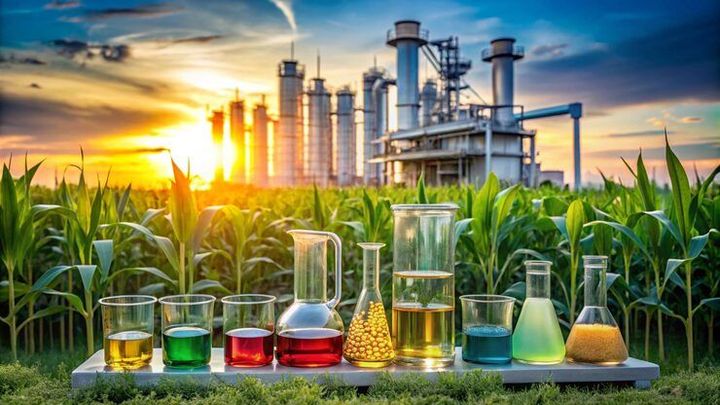
Agriculture chemicals, often referred to as agrochemicals, are substances used in farming to improve crop production, protect plants, and enhance soil health. These include fertilizers, pesticides, herbicides, fungicides, and plant growth regulators.
Farmers have used both natural and synthetic substances for centuries to manage pests and improve crop yields. With the rapid growth of the global population, modern agriculture increasingly depends on scientifically developed chemicals to ensure consistent and efficient food production.
Agriculture chemicals, also known as agrochemicals, are designed to address challenges such as nutrient deficiencies, weed control, and pest infestations. Their usage is carefully regulated to balance productivity with environmental safety.
Main Types of Agriculture Chemicals
The following table summarizes the key categories and their roles:
| Type of Chemical | Primary Function | Example Use Case |
|---|---|---|
| Fertilizers | Provide nutrients to plants | Boost crop growth |
| Herbicides | Control unwanted weeds | Maintain clean crop fields |
| Insecticides | Protect crops from insects | Prevent crop damage |
| Fungicides | Prevent fungal diseases | Reduce crop loss |
| Growth Regulators | Influence plant growth | Improve flowering or yield |
Importance – Why Agriculture Chemicals Matter Today
Agriculture chemicals play a vital role in ensuring food security and supporting sustainable farming. As populations grow, farmers must produce more food on limited land while dealing with environmental pressures.
Key Benefits
- Increased Crop Yield: Fertilizers supply essential nutrients like nitrogen, phosphorus, and potassium to improve productivity.
- Pest and Disease Control: Pesticides protect crops from insects and diseases that can reduce harvests.
- Efficient Land Use: Higher yields help maximize output from available farmland.
- Support for Precision Farming: Targeted application reduces waste and improves efficiency.
Who Benefits
- Farmers: Higher yields and reduced losses
- Consumers: Stable and sufficient food supply
- Governments: Improved food security and economic stability
Responsible use is essential to prevent environmental issues such as soil degradation, water contamination, and biodiversity loss.
Recent Updates – Trends and Developments (2025–2026)
The agrochemical industry is evolving rapidly due to sustainability goals and technological advancements. These developments aim to improve efficiency while reducing environmental impact.
Key Trends
- Shift Toward Bio-Based Chemicals (2025): Increased adoption of biofertilizers and biopesticides derived from natural sources.
- Precision Application Technologies: Use of sensors and drones for targeted chemical application.
- Regulatory Updates (2025): Stricter safety guidelines introduced in countries like India and EU nations.
- Climate-Resilient Solutions: New formulations help crops withstand drought and heat stress.
- Digital Agriculture Platforms: Apps provide data-driven recommendations based on soil and crop conditions.
These trends reflect a broader move toward sustainable and data-driven farming practices.
Laws or Policies – Regulations Governing Agriculture Chemicals
Agriculture chemicals are strictly regulated to ensure safety for humans, animals, and the environment. In India, multiple laws guide their production, distribution, and usage.
Key Regulations
- Insecticides Act, 1968: Controls the import, manufacture, sale, and use of insecticides.
- Fertilizer Control Order (FCO): Ensures quality and proper distribution of fertilizers.
- Pesticide Management Bill: Aims to introduce stricter safety norms and monitoring systems.
- Integrated Pest Management (IPM): Promotes reduced reliance on chemicals through alternative practices.
Regulatory Objectives
- Ensure safe usage levels
- Prevent misuse or overuse
- Protect environmental health
- Promote sustainable farming
Farmers are supported through training programs and government advisory services to ensure compliance.
Tools and Resources – Platforms and Technologies
Modern farming uses a range of tools and digital platforms to manage agrochemical usage effectively. These tools improve accuracy, reduce waste, and support better decision-making.
Common Tools
- Soil Testing Kits and Labs: Analyze nutrient levels for accurate fertilizer use
- Mobile Apps: Provide pest identification and treatment recommendations
- Precision Agriculture Tools: Include drones and GPS-enabled spraying systems
- Government Portals: Offer guidelines and approved chemical databases
- Farm Management Software: Tracks chemical usage and crop performance
Tool Benefits Table
| Tool Type | Purpose | Benefit |
|---|---|---|
| Soil Testing | Analyze soil nutrients | Accurate fertilizer use |
| Mobile Apps | Provide recommendations | Better decision-making |
| Drones | Monitor and spray crops | Reduced manual effort |
| GPS Equipment | Precision application | Minimized chemical waste |
| Government Platforms | Access regulations | Improved compliance |
FAQs – Common Questions About Agriculture Chemicals
What are agriculture chemicals used for?
Agriculture chemicals help improve crop growth, protect plants from pests and diseases, and enhance soil fertility. They ensure consistent and efficient agricultural production.
Are agriculture chemicals safe for the environment?
When used according to regulations, many agrochemicals are considered safe. However, improper use can lead to environmental damage, making responsible usage essential.
What is the difference between organic and synthetic agrochemicals?
Organic agrochemicals come from natural sources, while synthetic ones are chemically manufactured. The choice depends on farming practices and regulatory standards.
How do farmers decide which chemicals to use?
Farmers consider crop type, soil condition, pest presence, and weather. Soil testing and expert advice often guide their decisions.
What is Integrated Pest Management (IPM)?
IPM combines biological, cultural, and chemical methods to control pests in a sustainable and environmentally friendly way.
Conclusion – Balancing Productivity and Sustainability
Agriculture chemicals are essential for modern farming, helping meet the growing demand for food while addressing challenges like pests, diseases, and nutrient deficiencies. Their role in improving crop yield and land efficiency makes them a key component of global agriculture.
At the same time, the focus is shifting toward responsible and sustainable use. Advances in technology, stricter regulations, and eco-friendly alternatives are shaping the future of agrochemicals.
Understanding these chemicals enables farmers, policymakers, and the public to make informed decisions that balance productivity with environmental protection.