ARC Machine Welding Guide: Understanding Processes, Equipment, and Industrial Applications
Arc machine welding is one of the most widely used metal joining methods in construction, manufacturing, infrastructure, and repair work.
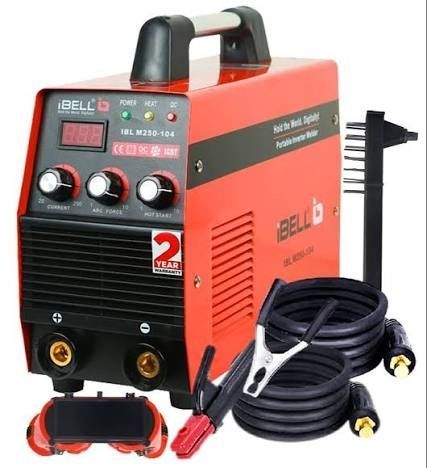
An arc welding machine creates an electric arc between an electrode and the metal surface, producing enough heat to melt and join materials. Over time, this technique has developed into a range of manual, semi-automatic, and automated processes that support many industries.
Context
Understanding Arc Machine Welding
ARC machine welding refers to a group of welding processes that use electrical energy to generate heat for joining metals. The technology has been used for many decades because it provides a practical method for creating strong metal connections across different materials and thicknesses.
Different types of equipment are designed for different tasks. A stick welding machine is commonly used for outdoor work and structural fabrication, while an industrial arc welding machine is often found in manufacturing environments where continuous operation is required. Automatic arc welding machine systems are used when consistent weld quality and repeatable production are important.
Common Equipment Used
Several types of equipment work together during welding operations.
| Equipment | Primary Purpose |
|---|---|
| Arc welding machine | Creates the electric arc for welding |
| Stick welding machine | Manual welding with coated electrodes |
| Industrial welding equipment | Supports heavy production environments |
| Robotic welding systems | Automates repetitive welding tasks |
| Welding inspection equipment | Evaluates weld quality and integrity |
| Metal fabrication equipment | Cuts, shapes, and prepares metal components |
Importance
Why Arc Welding Matters
Arc welding plays an important role in many industries because metal structures require reliable joining methods. Buildings, bridges, transportation systems, pipelines, industrial machinery, and agricultural equipment all depend on welded components.
The technology also helps improve manufacturing efficiency by allowing components to be joined accurately and consistently. Modern industrial welding equipment supports production in sectors such as automotive manufacturing, energy, heavy engineering, and shipbuilding.
Everyday Applications
People may not notice welding in daily life, but it is present in many products and structures, including:
- Building frameworks
- Steel furniture
- Storage systems
- Transportation equipment
- Industrial machinery
- Water and energy infrastructure
As industries continue to modernize, robotic welding systems have become more common for repetitive production tasks where precision and consistency are important.
Recent Updates
Current Industry Trends
The general trend in arc welding focuses on automation, digital monitoring, and improved production efficiency. Manufacturers increasingly integrate sensors and software into welding equipment to monitor welding parameters during operation.
Artificial intelligence and machine learning are also supporting welding process optimization by helping identify irregularities and improving consistency during production. Digital records allow operators to review welding performance and simplify quality documentation.
Industrial facilities continue to expand the use of robotic welding systems for repetitive manufacturing processes. At the same time, portable arc welding machine designs have become lighter and more energy efficient, making them easier to transport between work locations.
Another noticeable trend is improved welding machine maintenance through predictive monitoring. Modern equipment can alert operators when inspections or component replacement may be needed, helping reduce unexpected downtime.
Laws or Policies
Regulations That Influence Welding
Many countries regulate welding activities through workplace safety laws, technical standards, and construction requirements. These regulations help protect workers while promoting consistent welding quality.
Industrial projects often require compliance with nationally recognized welding standards. Welding procedures may need documentation, inspections, and qualification before being used in critical structures.
Environmental policies also encourage efficient energy use and proper handling of welding materials. Employers typically provide protective equipment, ventilation, and safety training in accordance with occupational safety regulations.
The exact rules vary by country and industry, but the overall objective is to improve safety, product quality, and environmental responsibility.
Tools and Resources
Helpful Resources for Learning and Quality Control
Several tools and resources support welding education, planning, inspection, and equipment management.
Useful examples include:
- Welding procedure templates for documenting welding methods.
- Material compatibility charts for selecting suitable metals.
- Welding parameter calculators that estimate electrical settings.
- Equipment manuals published by welding machine manufacturers.
- Standards published by national and international welding organizations.
- Digital maintenance logs that support welding machine maintenance.
- Inspection checklists used with welding inspection equipment.
- Computer-aided design (CAD) software used alongside metal fabrication equipment.
These resources help users understand equipment operation, documentation, and quality control throughout a welding project.
FAQs
What is ARC machine welding?
ARC machine welding is a process that joins metal by creating an electric arc between an electrode and the workpiece. The heat generated melts the metal so that it forms a solid joint after cooling.
How does an arc welding machine work?
An arc welding machine supplies electrical current that creates an arc between the electrode and the metal surface. This heat melts the material and allows two metal pieces to be joined together.
Where is an industrial arc welding machine commonly used?
An industrial arc welding machine is commonly used in manufacturing plants, construction projects, heavy engineering, infrastructure development, and metal fabrication facilities where continuous welding operations are required.
What is the difference between a stick welding machine and an automatic arc welding machine?
A stick welding machine is manually operated using coated electrodes, while an automatic arc welding machine performs much of the welding process through automated controls that improve consistency during repetitive production.
Why is welding machine maintenance important?
Welding machine maintenance helps maintain stable performance, supports equipment reliability, and reduces the likelihood of unexpected interruptions. Regular inspection also helps identify worn components before they affect welding quality.
Conclusion
Arc machine welding remains an important manufacturing and construction process because it creates durable metal connections across many industries. Modern developments continue to improve automation, digital monitoring, inspection methods, and production efficiency. Understanding equipment types, safety requirements, maintenance practices, and quality control helps explain how welding supports infrastructure and industrial manufacturing. As technology continues to develop, arc welding is expected to remain an important part of metal fabrication and industrial production.