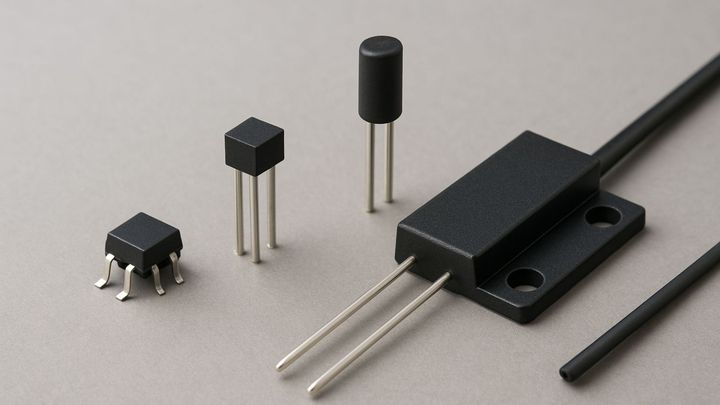
Sensor Matched Magnets Overview: Important Details for Precision Sensing Systems
Sensor matched magnets play an important role in modern sensing technology by helping electronic systems detect movement, position, direction, and speed with high accuracy.
These specialized magnets are carefully designed to work alongside different types of sensors, creating reliable magnetic fields that allow precise measurements. Today, sensor magnets appear in industrial equipment, transportation systems, consumer electronics, medical devices, and many automated processes.
As industries continue to improve accuracy and efficiency, magnetic sensor magnets have become increasingly important. Whether used with position sensor magnets, hall effect sensor magnets, or rotary encoder magnets, these components support dependable sensing without requiring physical contact. Understanding how they work helps explain why they are widely used in industrial automation sensors and motion control sensors.
Context
Understanding Sensor Matched Magnets
A sensor matched magnet is a magnet specifically designed to perform accurately with a particular sensor. Instead of using a standard magnet, engineers match the magnet's strength, shape, size, and magnetic pattern with the sensing device to produce consistent results.
Many sensing technologies rely on magnetic fields to detect movement or position. When a magnet moves near a sensor, the sensor measures changes in the magnetic field and converts them into electrical signals. Those signals help machines understand where an object is located or how fast it is moving.
How Sensor Magnets Work
Sensor magnets generate controlled magnetic fields. As an object rotates, slides, or changes position, the nearby sensor detects changes in the field.
Common sensor combinations include:
- Hall effect sensor magnets for detecting magnetic field changes.
- Position sensor magnets for measuring linear or rotary movement.
- Magnetic encoder rings for monitoring rotational position.
- Rotary encoder magnets for determining angular location.
- Precision sensor magnets for applications requiring highly consistent magnetic performance.
Common Materials
Several magnetic materials are used depending on the operating environment.
| Material | Typical Characteristics | Common Applications |
|---|---|---|
| Ferrite | Stable, corrosion resistant | General sensing systems |
| Neodymium | Strong magnetic field | Compact electronic devices |
| Samarium Cobalt | Performs well at higher temperatures | Industrial equipment |
| Bonded Magnets | Flexible manufacturing shapes | Magnetic encoder rings |
Where They Are Used
Sensor matched magnets support many technologies, including:
- Industrial machinery
- Electric motors
- Robotics
- Automotive systems
- Medical instruments
- Consumer electronics
- Renewable energy equipment
- Factory automation
Importance
Supporting Accurate Measurements
Modern equipment often depends on precise position information. Even a small measurement error may affect machine performance or product quality. Precision sensor magnets help maintain stable magnetic fields that improve measurement consistency.
Improving Reliability
Unlike mechanical contact switches, magnetic sensing systems operate without direct physical contact between moving components. This reduces wear and allows longer operating life under many conditions.
Industrial magnetic sensors frequently work in environments containing dust, moisture, vibration, or oil. Properly matched magnets help maintain dependable sensing even under these challenging conditions.
Enabling Industrial Automation
Industrial automation sensors rely on accurate position information to coordinate machinery. Robots, conveyors, packaging systems, and manufacturing equipment all depend on sensors that continuously monitor movement.
Motion control sensors combined with carefully matched magnets allow automated systems to perform repeated operations with consistent positioning.
Supporting Energy Efficiency
Many modern motors and motion systems adjust their operation based on sensor information. Accurate sensing allows equipment to operate more efficiently by providing precise feedback during movement.
Helping Different Industries
Sensor matched magnets appear across numerous industries because they support various measurement needs.
Examples include:
- Automotive steering systems
- Elevator positioning
- Wind turbine monitoring
- Medical imaging equipment
- Industrial robots
- Warehouse automation
- Agricultural machinery
- Laboratory equipment
Recent Updates
Growing Demand for Precision Manufacturing
Recent manufacturing trends place greater emphasis on accurate positioning and automated inspection. This has increased the use of precision sensor magnets and magnetic encoder rings in production equipment.
Manufacturers are also improving magnet consistency during production so that sensors produce more predictable readings across large production volumes.
Expansion of Robotics
Robotics continues expanding across manufacturing, healthcare, logistics, and agriculture. Robots require accurate movement information throughout every motion cycle.
Position sensor magnets and rotary encoder magnets help robotic systems measure joint angles, wheel movement, and arm positioning with reliable accuracy.
Electric Mobility Applications
Electric transportation systems continue incorporating magnetic sensing for motors, steering systems, braking components, and battery management equipment.
Sensor magnets support accurate position monitoring without direct mechanical contact, making them suitable for compact electric drive systems.
Increased Focus on Miniaturization
Electronic devices continue becoming smaller while maintaining performance. This trend encourages the development of compact magnetic sensor magnets that deliver consistent magnetic characteristics within limited installation space.
Improved Manufacturing Techniques
Modern magnet production methods improve dimensional accuracy and magnetic consistency. Better quality control also helps reduce variation between individual magnets used in industrial position sensors.
Laws or Policies
Product Safety Standards
Sensor matched magnets used in commercial products generally follow national or international product safety requirements depending on the application and destination market.
Manufacturers often evaluate products against recognized technical standards covering electrical safety, electromagnetic compatibility, and product reliability.
Environmental Requirements
Many countries regulate materials used in electronic equipment through environmental rules intended to reduce hazardous substances.
These regulations may influence the selection of magnetic materials, coatings, and manufacturing processes for sensor magnets.
Industrial Equipment Compliance
Industrial automation sensors and related magnetic components may need to comply with equipment safety standards before being integrated into industrial machinery.
Compliance requirements differ depending on industry, equipment type, and geographic region.
Quality Management
Many organizations producing magnetic components follow internationally recognized quality management systems to improve manufacturing consistency and product traceability.
These systems help maintain repeatable production processes for sensor matched magnets and related components.
Tools and Resources
Several technical resources help engineers, students, and researchers understand magnetic sensing systems.
Simulation Software
Magnetic field simulation software helps visualize how magnets interact with sensors before physical prototypes are produced.
These programs can estimate magnetic field strength, direction, and distribution under different operating conditions.
CAD Platforms
Computer-aided design software assists with designing assemblies containing sensor magnets, magnetic encoder rings, and industrial position sensors.
These platforms help verify dimensions and component placement.
Technical Standards
Engineering standards provide guidance for magnetic materials, testing procedures, measurement methods, and product evaluation.
These documents support consistent terminology and testing approaches across different industries.
Educational Resources
Many universities, engineering organizations, and technical publications provide learning materials covering:
- Magnetic sensing principles
- Hall effect technology
- Motion control systems
- Encoder operation
- Magnet material properties
- Industrial automation concepts
Measurement Equipment
Engineers commonly use specialized instruments during testing, including:
- Gauss meters
- Flux meters
- Oscilloscopes
- Signal analyzers
- Position measurement systems
These tools help verify magnetic field characteristics and sensor performance during development.
FAQs
What are sensor matched magnets?
Sensor matched magnets are magnets designed to work accurately with specific sensing technologies. Their magnetic properties are selected to match the requirements of the intended sensor, improving measurement consistency.
How do hall effect sensor magnets operate?
Hall effect sensor magnets generate magnetic fields that are detected by Hall effect sensors. As the magnet moves, rotates, or changes position, the sensor measures variations in the magnetic field and converts them into electrical signals.
Where are magnetic encoder rings commonly used?
Magnetic encoder rings are frequently used in motors, robotics, industrial machinery, automotive systems, and motion control equipment. They help measure rotational position and speed with high accuracy.
Why are precision sensor magnets important for industrial automation sensors?
Precision sensor magnets produce stable magnetic fields that allow industrial automation sensors to detect movement and position consistently. Reliable measurements support accurate machine operation and automated processes.
What is the difference between rotary encoder magnets and position sensor magnets?
Rotary encoder magnets are mainly designed to measure rotational movement, while position sensor magnets may detect either linear or rotational position depending on the application and sensor design.
Conclusion
Sensor matched magnets are an essential part of many modern sensing systems because they provide reliable magnetic fields for accurate position and motion detection. They work alongside hall effect sensor magnets, magnetic encoder rings, industrial magnetic sensors, and motion control sensors across numerous industries. Ongoing improvements in manufacturing methods and automation continue to support more precise sensing technologies. Understanding their purpose, applications, and technical considerations provides a clearer picture of their role in today's electronic and industrial systems.