Leak Test Machine Guide: Understanding Testing Methods and Industrial Applications
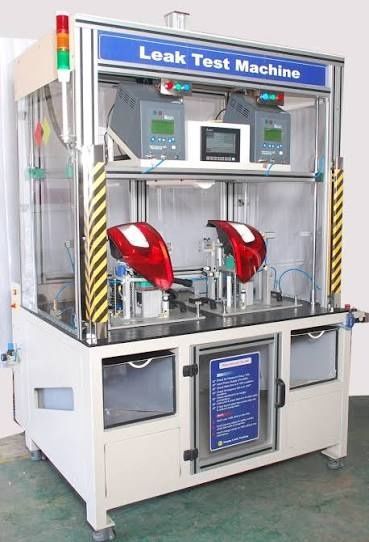
A leak test machine is a piece of equipment used to check whether a product, component, or sealed system allows air, gas, or liquid to escape.
It helps verify that manufactured parts meet expected quality standards before they are used in everyday products or industrial processes. Different industries rely on leak testing systems to identify small openings that may not be visible during visual inspection.
Why Leak Testing Exists
Leak testing developed as manufacturing became more precise and products became more complex. Modern factories use an industrial leak test machine to examine items such as automotive components, medical devices, household appliances, pipes, valves, and electronic enclosures. Depending on the application, testing may involve air, pressure, vacuum, or helium gas to detect leaks with different levels of sensitivity.
Common examples of leak testing methods include:
- Air leak testing equipment for sealed products
- Vacuum leak testing machine for enclosed chambers
- Pressure leak testing system for pipes and containers
- Helium leak detector for identifying extremely small leaks
- Flow testing equipment for measuring movement of fluids or gases alongside leak checks
Importance
Why Leak Testing Matters
Leak testing plays an important role in manufacturing quality, product reliability, and workplace safety. Even a small leak can reduce product performance, shorten equipment life, or create environmental concerns depending on the application.
Industries that commonly use industrial leak testing equipment include:
- Automotive manufacturing
- Electronics production
- Food and beverage packaging
- Medical equipment manufacturing
- Aerospace and aviation
- Energy and industrial processing
Common Benefits of Leak Testing
Leak testing helps manufacturers:
- Detect manufacturing defects before products leave production.
- Reduce material waste caused by faulty components.
- Improve consistency during automated production.
- Support compliance with quality requirements.
- Monitor production performance over time.
Comparison of Common Leak Testing Methods
| Testing Method | Typical Medium | Common Applications | Main Purpose |
|---|---|---|---|
| Air Testing | Compressed air | Plastic parts, containers | Detect air leakage |
| Pressure Testing | Air or liquid | Pipes, valves, tanks | Verify pressure retention |
| Vacuum Testing | Vacuum chamber | Sealed packages, electronic parts | Identify pressure loss |
| Helium Testing | Helium gas | Aerospace, electronics | Detect very small leaks |
| Flow Testing | Air or liquid | Pumps, valves, fluid systems | Measure flow while checking system performance |
Recent Updates
Advances in Leak Testing Technology
Current manufacturing trends focus on faster inspection, improved accuracy, and increased automation. An automatic leak testing machine is now commonly integrated into production lines, allowing products to be checked without interrupting manufacturing.
Many modern systems include digital monitoring, data recording, and automated reporting. These features simplify quality tracking and help manufacturers review production performance over longer periods.
Another trend is combining flow testing equipment with leak testing systems. This approach allows manufacturers to evaluate both leakage and functional performance during a single inspection process.
Artificial intelligence and machine learning are also beginning to assist with identifying unusual testing patterns, helping operators recognize equipment changes earlier while improving inspection consistency.
Laws or Policies
Regulations That Influence Leak Testing
Leak testing practices are often guided by national regulations, industry standards, and product-specific requirements. The exact rules depend on the country and the type of product being manufactured.
Examples of commonly referenced standards include:
- ISO quality management standards for manufacturing processes.
- Industry-specific standards used in automotive leak testing.
- Environmental regulations that help reduce unnecessary emissions.
- Safety requirements for pressure-containing equipment.
Many manufacturers document testing results to demonstrate compliance during quality inspections and certification processes.
Tools and Resources
Helpful Resources for Understanding Leak Testing
People learning about leak testing equipment can refer to several technical resources for additional information.
Useful resources include:
- ISO standards related to manufacturing quality.
- Technical guidance published by engineering organizations.
- Equipment documentation provided by leak testing machine manufacturers.
- Industrial automation platforms that explain production monitoring.
- Engineering design software used for production planning and quality analysis.
Many manufacturing facilities also use digital dashboards that store testing records, helping engineers review inspection history and production consistency.
FAQs
What is a leak test machine used for?
A leak test machine checks whether a product or component allows unwanted air, gas, or liquid to escape. It is commonly used during manufacturing quality inspections.
How does an automatic leak testing machine work?
An automatic leak testing machine performs inspections using programmed testing cycles. It applies pressure, vacuum, or another testing method, measures the results, and compares them with predefined quality limits.
When is a helium leak detector used?
A helium leak detector is used when extremely small leaks must be identified. It is commonly found in industries where very high testing sensitivity is required, including electronics and aerospace manufacturing.
What is the difference between air leak testing equipment and a pressure leak testing system?
Air leak testing equipment generally measures whether air escapes from a sealed product. A pressure leak testing system evaluates how well a component maintains a specified pressure during a testing period. Both methods help identify leakage but use different testing approaches depending on the application.
Why is automotive leak testing important?
Automotive leak testing helps verify that components such as fuel systems, cooling systems, batteries, and air-conditioning parts are properly sealed before assembly. This supports product quality and consistent manufacturing processes.
Conclusion
Leak testing is an important part of modern manufacturing and quality control. Different technologies, including vacuum leak testing machine systems, air leak testing equipment, pressure-based methods, and helium detection, are selected according to the product being inspected. As manufacturing continues to evolve, leak testing systems increasingly combine automation, digital monitoring, and detailed reporting to support consistent production quality across many industries.