Semi Conductor Manufacturing Overview: Essential Steps and Technology Insights
Semiconductor manufacturing is the complex process of producing tiny electronic components that power modern technology.
These components, commonly known as semiconductor chips or integrated circuits, are found in smartphones, computers, vehicles, medical devices, household electronics, communication systems, and industrial equipment. As technology continues to advance, semiconductor manufacturers play an increasingly important role in supporting digital infrastructure across many industries.
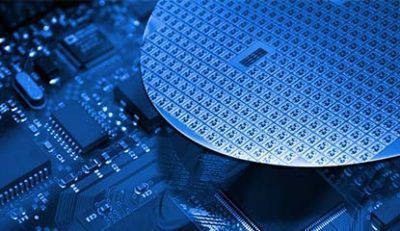
The foundation of semiconductor fabrication begins with silicon, a material widely used because of its electrical properties. Through carefully controlled manufacturing processes, silicon wafers are transformed into highly detailed circuits containing millions or even billions of microscopic transistors. This process requires advanced semiconductor manufacturing equipment, specialized materials, and highly controlled production environments.
A semiconductor factory is designed to minimize contamination that could affect chip quality. Even microscopic dust particles can interfere with wafer fabrication, making cleanroom semiconductor equipment an essential part of modern production facilities. Semiconductor production combines physics, chemistry, materials science, robotics, and computer engineering into a coordinated manufacturing process.
Today, semiconductor manufacturing solutions continue to evolve to meet increasing demand for faster processors, energy-efficient electronics, artificial intelligence applications, and advanced communication technologies.
Understanding the Manufacturing Process
Although semiconductor fabrication is highly technical, the overall production process follows a series of organized stages.
| Manufacturing Stage | Primary Purpose |
|---|---|
| Silicon Wafer Creation | Produces polished silicon wafers used as the base material |
| Wafer Cleaning | Removes particles and impurities |
| Photolithography | Transfers circuit patterns onto the wafer |
| Etching | Removes selected material to create circuit structures |
| Ion Implantation | Adjusts electrical properties of the semiconductor |
| Thin Film Deposition | Adds insulating and conductive layers |
| Chemical Mechanical Polishing | Creates smooth wafer surfaces |
| Inspection and Metrology | Measures accuracy and detects defects |
| Packaging | Protects completed semiconductor chips |
| Final Testing | Confirms functionality before distribution |
Key Technologies Used
Several specialized technologies work together during semiconductor production, including:
- Wafer manufacturing equipment for preparing silicon wafers
- Semiconductor processing equipment for patterning and material deposition
- Semiconductor metrology equipment for measuring microscopic structures
- Cleanroom semiconductor equipment for contamination control
- Automated robotic systems for material handling
- Computer-controlled manufacturing software for process monitoring
Each technology contributes to maintaining consistent production quality throughout the fabrication process.
Importance
Semiconductor manufacturing affects nearly every part of modern life. Electronic devices depend on semiconductor chips to process information, store data, control sensors, and communicate with other systems. Without semiconductor production, many everyday technologies would not function.
Supporting Everyday Technology
Many commonly used products rely on semiconductor fabrication, including:
- Mobile phones
- Laptop and desktop computers
- Tablets
- Smart televisions
- Internet networking equipment
- Smart home devices
- Medical imaging systems
- Electric vehicles
- Industrial automation equipment
As these technologies become more capable, semiconductor manufacturers continue developing more efficient production methods.
Strengthening Industrial Development
Semiconductors support manufacturing, transportation, healthcare, telecommunications, and scientific research. Industries increasingly depend on reliable semiconductor manufacturing solutions to maintain production of electronic systems used across global markets.
Advanced semiconductor processing equipment also enables the production of smaller, more energy-efficient chips while increasing computing performance.
Supporting Artificial Intelligence
AI semiconductor manufacturing has become an important area of development. Artificial intelligence applications require specialized processors capable of handling large amounts of data quickly and efficiently.
Modern chip designs used for machine learning, robotics, language processing, and data analysis often require highly advanced wafer fabrication techniques and precise manufacturing controls.
Recent Updates
Semiconductor manufacturing continues to evolve as technology advances. Current industry trends focus on improving manufacturing efficiency, expanding production capacity, increasing automation, and supporting emerging computing technologies.
Artificial Intelligence in Manufacturing
AI semiconductor manufacturing is influencing both chip design and factory operations. Artificial intelligence assists with:
- Process monitoring
- Equipment maintenance prediction
- Manufacturing optimization
- Defect detection
- Yield improvement
- Production scheduling
Machine learning systems analyze manufacturing data to identify process variations that may affect production quality.
Greater Automation
Modern semiconductor factories increasingly use robotics and automated transport systems to move wafers between manufacturing stages. Automation helps reduce contamination risks while maintaining consistent production conditions.
Computer-controlled systems also coordinate semiconductor manufacturing equipment throughout the production process.
Improved Semiconductor Metrology
Semiconductor metrology equipment continues becoming more precise as chip features become smaller. Advanced inspection systems use optical, laser, and electron-based measurement technologies to identify tiny defects that would otherwise be difficult to detect.
Improved measurement accuracy supports higher production consistency.
Expanded Production Capacity
Many regions continue investing in new semiconductor factories and expanding existing facilities. Increased production capacity aims to strengthen supply chains while supporting growing demand from industries such as automotive manufacturing, cloud computing, telecommunications, and consumer electronics.
Sustainability Efforts
Semiconductor production requires significant amounts of energy, water, and specialized chemicals. Many manufacturing facilities are working toward:
- Improved water recycling
- Reduced energy consumption
- More efficient manufacturing equipment
- Waste reduction practices
- Enhanced environmental monitoring
These efforts focus on improving resource efficiency while maintaining production standards.
Laws or Policies
Semiconductor manufacturing operates within a framework of environmental regulations, workplace safety requirements, trade policies, and quality standards. These regulations vary between countries but generally address similar objectives.
Environmental Regulations
Governments often regulate:
- Chemical handling procedures
- Air emissions
- Water treatment
- Waste management
- Energy efficiency
- Environmental reporting
Because semiconductor fabrication involves specialized chemicals and ultra-clean production environments, environmental compliance remains an important aspect of factory operations.
Workplace Safety
Semiconductor factories typically follow workplace safety regulations covering:
- Cleanroom operations
- Protective equipment
- Chemical handling
- Equipment operation
- Emergency procedures
- Air quality monitoring
These regulations help reduce workplace risks associated with advanced manufacturing processes.
Trade and Manufacturing Programs
Many governments support semiconductor production through industrial development programs, research initiatives, manufacturing incentives, and supply chain planning. These programs often encourage domestic semiconductor manufacturing while strengthening technology development and production capacity.
International Standards
Semiconductor manufacturers commonly follow internationally recognized quality management and manufacturing standards related to:
- Product consistency
- Process documentation
- Environmental management
- Occupational safety
- Measurement accuracy
Standardized manufacturing practices help improve consistency across global semiconductor production.
Tools and Resources
Semiconductor manufacturing relies on many specialized digital tools, engineering platforms, and planning resources throughout the production process.
Manufacturing Software
Common software categories include:
- Computer-aided design platforms
- Process simulation software
- Production scheduling systems
- Equipment monitoring platforms
- Manufacturing execution systems
- Quality management software
These tools help coordinate multiple production stages inside semiconductor factories.
Measurement and Analysis Resources
Engineers use semiconductor metrology equipment alongside digital analysis platforms to monitor production accuracy. These systems compare measurements with manufacturing specifications and identify process variations.
Educational Resources
Many universities, research institutions, and technology organizations publish educational materials explaining semiconductor fabrication, wafer manufacturing equipment, integrated circuit design, and semiconductor processing equipment. These materials help students and professionals understand manufacturing concepts without requiring advanced technical knowledge.
Industry Standards and Documentation
Reference documents commonly include:
- Semiconductor manufacturing guidelines
- Equipment specifications
- Cleanroom operating procedures
- Safety documentation
- Materials handling references
- Process validation checklists
These resources support consistent manufacturing practices across production facilities.
FAQs
What is semiconductor manufacturing?
Semiconductor manufacturing is the process of creating electronic chips using silicon wafers, advanced manufacturing equipment, chemical processing, and precision engineering techniques inside highly controlled production facilities.
What is the difference between semiconductor manufacturing and semiconductor fabrication?
Semiconductor manufacturing generally refers to the complete production cycle, including wafer preparation, fabrication, testing, and packaging. Semiconductor fabrication specifically describes the process of building electronic circuits onto silicon wafers.
What equipment is used in wafer fabrication?
Wafer fabrication uses various types of semiconductor manufacturing equipment, including photolithography systems, deposition machines, etching equipment, semiconductor processing equipment, semiconductor metrology equipment, wafer manufacturing equipment, and cleanroom semiconductor equipment.
Why is AI semiconductor manufacturing becoming more common?
AI semiconductor manufacturing helps analyze production data, identify manufacturing variations, improve equipment maintenance planning, and support more consistent semiconductor production through advanced automation and data analysis.
Why do semiconductor factories require cleanrooms?
A semiconductor factory uses cleanrooms because even extremely small particles can interfere with microscopic circuit patterns during wafer fabrication. Cleanroom semiconductor equipment helps maintain controlled environmental conditions throughout production.
Conclusion
Semiconductor manufacturing combines advanced engineering, precision equipment, automation, and scientific processes to produce the electronic chips used throughout modern technology. Semiconductor fabrication depends on highly controlled environments, specialized semiconductor manufacturing equipment, and accurate measurement systems to achieve reliable production. Continued developments in AI semiconductor manufacturing, automation, and semiconductor processing equipment are shaping how future semiconductor production evolves across many industries. As electronic technology continues advancing, semiconductor manufacturers remain an important part of the global technology ecosystem.