Auto Industry Guide: Explore Manufacturing, Technologies, Components, Trends, and Planning Factors
The auto industry is a broad manufacturing and transportation sector covering the design, development, production, distribution, and maintenance of automobiles and their components. It includes passenger vehicles, commercial vehicles, two-wheelers, three-wheelers, electric vehicles, specialty vehicles, and the large network of companies that produce components used in them.
Modern automotive manufacturing combines mechanical engineering with electronics, software, materials science, automation, and industrial production. A vehicle may contain thousands of individual components, ranging from structural parts and braking systems to sensors, batteries, electronic control units, and communication systems.
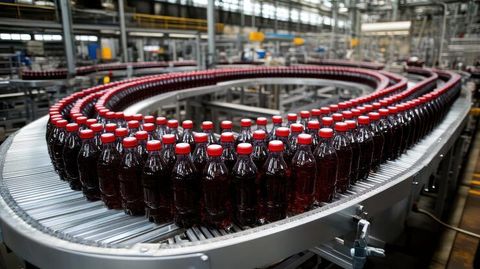
The industry developed from early vehicle assembly methods into highly organized production systems. Today, automotive plants commonly use automated assembly equipment, robotics, computer-controlled machines, inspection systems, and digital production records to coordinate large numbers of manufacturing activities.
How Automotive Manufacturing Works
Automotive manufacturing generally begins with product design and engineering. Computer-aided design tools are used to develop vehicle structures and components before prototypes and engineering tests are performed.
Once a vehicle design reaches the required production stage, manufacturing normally involves several connected processes:
- Material preparation converts metals, plastics, glass, rubber, and other materials into usable parts.
- Component manufacturing produces systems such as engines, transmissions, braking assemblies, suspension components, seats, wiring, and electronic modules.
- Body manufacturing forms and joins structural panels.
- Painting and surface treatment provide corrosion protection and the required exterior finish.
- Final assembly brings major vehicle systems together.
- Inspection and testing evaluate dimensions, functions, safety-related systems, and overall vehicle performance.
The exact sequence varies according to vehicle type, factory design, production volume, and manufacturing technology.
Major Segments of the Auto Industry
The industry includes several interconnected segments. Passenger vehicles are designed primarily for personal transportation, while commercial vehicles include trucks, buses, and other vehicles used for transporting people or goods. Two-wheelers and three-wheelers form another major segment, particularly in markets where compact transportation is important.
Electric vehicles have added another major category. Battery-electric vehicles, hybrids, and other electrified platforms require different combinations of batteries, electric motors, power electronics, thermal-management systems, and software compared with conventional vehicles.
Importance
The auto industry affects transportation, manufacturing, logistics, energy consumption, electronics, infrastructure, and employment. It also supports a large supplier network because vehicle manufacturers depend on component producers, raw-material suppliers, software developers, logistics companies, testing organizations, and specialized equipment manufacturers.
In India, the automotive sector is closely connected with the manufacturing economy and export activity. Recent industry data show continued activity across passenger vehicles, two-wheelers, commercial vehicles, three-wheelers, components, and electric mobility.
Why Automotive Components Matter
Automotive components form the physical and electronic building blocks of a vehicle. Common categories include:
- Engine and powertrain components
- Transmission and drivetrain parts
- Braking systems
- Steering and suspension systems
- Wheels and tires
- Body and structural components
- Lighting systems
- Wiring and electrical equipment
- Sensors and electronic control units
- Interior components
- Battery and charging components for electric vehicles
The transition toward connected and electrified vehicles is changing the composition of this supply chain. Traditional mechanical components continue to be important, while batteries, semiconductors, sensors, software, and power electronics have become increasingly significant.
Manufacturing Challenges
Automotive manufacturers must coordinate complex supply chains while maintaining consistent production processes. Changes in raw-material availability, semiconductor supply, transportation networks, energy requirements, regulations, and consumer preferences can affect manufacturing plans.
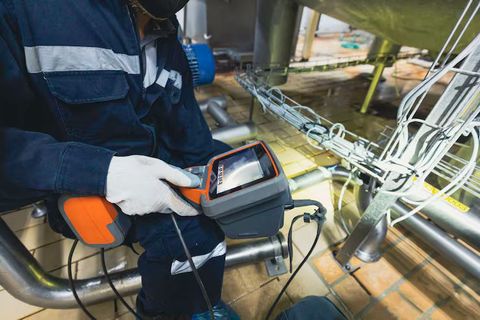
Quality control is another important consideration. A small variation in a critical component can affect vehicle assembly or system performance, so manufacturers use inspection equipment, process controls, testing procedures, and traceability systems throughout production.
Recent Updates
From 2024 through 2026, several developments have influenced the Indian auto industry. Electrification, manufacturing automation, connected vehicle technology, supply-chain localization, advanced materials, and digital production systems have received increasing attention.
India's Production Linked Incentive scheme for automobiles and auto components has been extended to cover five consecutive financial years from 2023–24 through 2027–28. Government programs have also supported electric mobility and domestic manufacturing.
The PM E-DRIVE program has supported electric mobility through measures covering electric vehicles, charging infrastructure, testing, and localization. The program's stated implementation period has been extended through March 2028.
Electrification
Electric vehicle manufacturing is changing production requirements across the automotive supply chain. Battery packs, electric motors, inverters, charging systems, thermal-management equipment, and battery-management systems require manufacturing and testing processes that differ from many conventional vehicle systems.
Hybrid vehicles are also part of this transition because they combine internal-combustion and electric propulsion technologies. Manufacturers therefore need production facilities capable of handling multiple powertrain architectures.
Automation and Digital Manufacturing
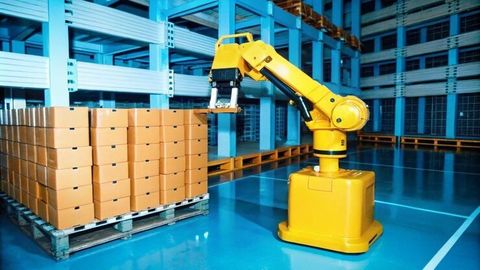
Automation is becoming increasingly integrated into automotive production. Robots can perform repetitive operations such as welding, material handling, painting, fastening, and certain inspection tasks.
Digital manufacturing systems can connect production equipment with software used for monitoring, scheduling, quality control, and maintenance. AI and machine-learning technologies are also being investigated for applications such as visual inspection, production analysis, predictive maintenance, and process optimization. Broader Indian manufacturing trends show increasing adoption of advanced machinery, AI, automation, and digital factories.
Connected and Software-Defined Vehicles
Modern vehicles increasingly contain software-controlled functions. Sensors and electronic control units can manage braking assistance, battery operation, driver-assistance features, infotainment, connectivity, and other systems.
This development means that automotive engineering now extends beyond mechanical design. Cybersecurity, software testing, electronic architecture, data management, and over-the-air software capabilities are becoming relevant parts of vehicle development.
Supply-Chain Localization
Automotive component manufacturing in India has also expanded its role in domestic and international supply chains. Recent industry information indicates continued growth in component exports and OEM supplies, alongside investment in advanced manufacturing and EV-related components.
Laws or Policies
The auto industry in India is influenced by regulations covering vehicle safety, emissions, fuel efficiency, manufacturing, environmental protection, road use, and electric mobility. Different requirements apply to manufacturers, component producers, testing organizations, and vehicle owners.
The Ministry of Heavy Industries administers several programs relevant to automobile and component manufacturing, including the Production Linked Incentive Scheme for Automobile and Auto Component Industry. Government policy has also supported electric mobility through programs such as PM E-DRIVE.
Vehicle Safety and Testing
Vehicle manufacturers must meet applicable safety and technical requirements before vehicles can be placed on the road. Testing and certification involve organizations and regulatory frameworks concerned with vehicle construction, performance, safety, and emissions.
The Bharat New Car Assessment Programme, or BNCAP, provides a framework for assessing the safety performance of eligible passenger vehicles. Such assessment systems can influence vehicle design, structural engineering, restraint systems, and safety technology.
Emissions and Efficiency
Environmental regulations influence vehicle design and powertrain development. Manufacturers must account for applicable emission standards and fuel-efficiency requirements when developing vehicles for the Indian market.
The regulatory environment is also evolving as electric, hybrid, alternative-fuel, and conventional powertrains develop. Requirements can change over time, so manufacturers and other industry participants need to consult current government notifications and applicable technical standards.
Tools and Resources
Several resources can help readers understand automotive manufacturing, components, regulations, and technology.
Industry Organizations
The Society of Indian Automobile Manufacturers provides industry information, vehicle production and sales data, policy updates, and publications. The Automotive Component Manufacturers Association of India provides information related to automotive components, manufacturing, exports, and industry developments.
The Automotive Research Association of India is another important technical resource for vehicle testing, certification, research, engineering, and automotive standards.
Engineering and Manufacturing Tools
Automotive manufacturers commonly use several categories of technical tools:
- CAD software for vehicle and component design
- Computer-aided engineering tools for simulations
- Manufacturing execution systems for production monitoring
- Enterprise resource planning systems for supply-chain coordination
- Quality-management software for inspection and process records
- Industrial robots for repetitive manufacturing operations
- Machine-vision systems for automated inspection
- Battery testing equipment for electric vehicle components
- Digital-twin systems for production and engineering analysis
Planning Factors
Planning an automotive manufacturing project involves several interconnected factors:
| Planning factor | Key considerations |
|---|---|
| Vehicle type | Passenger, commercial, two-wheeler, three-wheeler, or electric |
| Production volume | Expected output and manufacturing capacity |
| Components | Local sourcing, imported parts, and supplier capability |
| Technology | Automation, robotics, software, and inspection systems |
| Materials | Metals, plastics, composites, glass, rubber, and batteries |
| Quality | Testing, inspection, traceability, and process control |
| Energy | Electricity, fuel, thermal systems, and charging requirements |
| Workforce | Engineering, production, quality, maintenance, and technical skills |
| Regulations | Safety, emissions, environmental, and manufacturing requirements |
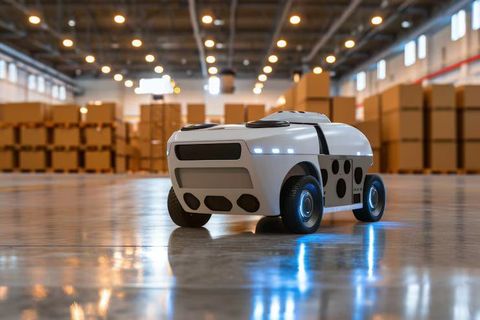
| Logistics | Material movement, warehousing, suppliers, and distribution |
Planning also needs to account for the physical layout of the facility. Material flow, storage areas, assembly lines, inspection stations, utilities, worker movement, and emergency access can influence overall plant design.
FAQs
What is the auto industry?
The auto industry includes the companies and activities involved in designing, manufacturing, supplying, testing, distributing, and supporting automobiles and their components. It covers conventional, hybrid, and electric vehicles.
What are the main components of an automobile?
Major automotive components include powertrain systems, brakes, steering, suspension, wheels, tires, body structures, electrical systems, electronics, sensors, interiors, and safety systems. Electric vehicles additionally use components such as battery packs, electric motors, inverters, and battery-management systems.
How is technology changing automotive manufacturing?
Technology is increasing the use of robotics, automated inspection, connected production equipment, digital manufacturing software, AI-based analysis, and advanced testing systems. These technologies are being integrated into production, quality control, maintenance, and engineering processes.
What are the major trends in the auto industry?
Major trends include vehicle electrification, connected vehicles, software-based functions, manufacturing automation, supply-chain localization, lightweight materials, and increased use of digital production systems. India is also experiencing continued development in automotive exports and component manufacturing.
What should be considered when planning an automotive manufacturing facility?
Important planning factors include vehicle type, production volume, component availability, manufacturing technology, factory layout, quality systems, energy requirements, workforce capabilities, logistics, environmental considerations, and applicable regulations.
Conclusion
The auto industry combines vehicle engineering, component manufacturing, electronics, software, materials, logistics, and industrial automation. Automotive manufacturing is increasingly influenced by electric mobility, connected technologies, digital production systems, and supply-chain localization. In India, government programs and industry developments are supporting changes in vehicle production and component manufacturing. Understanding manufacturing processes, technologies, components, regulations, and planning factors provides a useful foundation for understanding the modern automotive sector.