Ball Mill Machine Guide: Essential Features, Uses, and Working Principles Explained
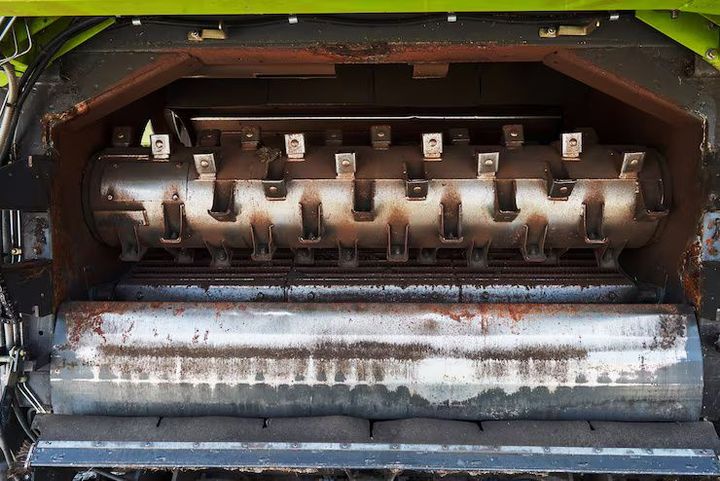
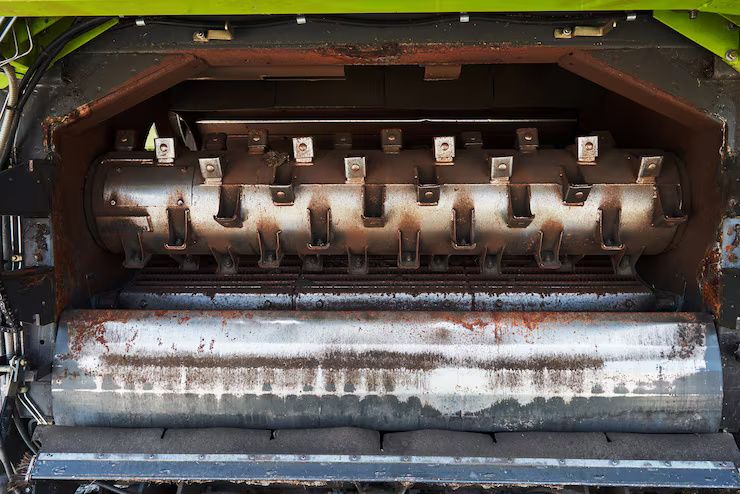
A ball mill machine is a type of industrial equipment used for grinding and mixing materials into fine powders. It operates by rotating a cylindrical drum filled with grinding media such as steel or ceramic balls. As the drum rotates, the balls collide with the material, breaking it down into smaller particles.
Ball mill machines play a crucial role in industrial material processing, especially where fine particle size is required. These machines are widely used across industries such as mining, cement production, pharmaceuticals, and chemical processing.
The concept of ball milling has evolved significantly over time. Modern systems now include automation, digital controls, and energy-efficient motors, making them more precise and reliable.
Common Materials Processed
Ball mills are designed to handle a wide variety of materials across industries. Their versatility makes them essential for both large-scale production and research applications.
- Minerals and ores
- Cement clinker
- Pigments and chemicals
- Ceramic materials
- Pharmaceutical compounds
Types of Ball Mill Machines
Different designs of ball mills are used depending on the application and scale of operation. Each type offers unique advantages in terms of efficiency and precision.
- Horizontal ball mills
- Vertical ball mills
- Planetary ball mills
Why Ball Mill Machines Matter in Modern Industries
Ball mill machines are essential for achieving precise material size reduction. This directly impacts product quality, chemical reactivity, and overall process efficiency.
Fine grinding ensures consistency and improves the performance of end products. Industries rely on this technology to meet high-performance standards and production goals.
Key Industry Applications
Ball mills are widely used across multiple sectors due to their efficiency and flexibility. Their ability to produce uniform particles makes them indispensable.
- Mining and mineral processing
- Cement manufacturing
- Pharmaceutical production
- Chemical processing
- Renewable energy materials
Challenges Without Proper Grinding
Without efficient grinding systems, industries may face several operational issues. These problems can impact both quality and productivity.
- Uneven material composition
- Reduced reaction efficiency
- Increased production waste
- Lower product quality
Recent Trends and Developments in 2025
Ball mill technology in 2025 focuses on automation, sustainability, and precision. New innovations are improving both operational efficiency and environmental performance.
Modern systems are increasingly integrated with smart technologies. These advancements allow industries to optimize processes and reduce downtime.
Key Technological Updates
Recent developments have transformed how ball mills operate in industrial environments. These upgrades enhance performance and reliability.
- Smart sensors for real-time monitoring
- AI-based predictive maintenance
- Energy-efficient motors and drives
- Hybrid grinding technologies
Emerging Industry Trends
Several trends are shaping the future of ball mill operations globally. These trends reflect a shift toward smarter and greener manufacturing.
- Digital twin technology for simulation
- Advanced ceramic grinding media
- Closed-loop systems for emission control
- Focus on sustainable manufacturing
Regulatory Standards and Compliance
Ball mill operations must comply with various regulations related to safety, environment, and efficiency. These rules vary by region but share common objectives.
Compliance ensures safe operations and reduces environmental impact. It also helps maintain consistent product quality across industries.
Key Regulatory Areas
Industrial facilities must follow strict guidelines to operate ball mill systems safely and efficiently.
- Workplace safety standards
- Dust and emission control
- Noise level regulations
- Energy efficiency requirements
- Waste management rules
Regional Compliance Examples
Different regions have specific regulatory bodies and standards. These frameworks guide industrial practices and ensure compliance.
- India: Central Pollution Control Board (CPCB)
- United States: OSHA standards
- European Union: REACH and emission directives
Tools and Resources for Ball Mill Operations
Modern ball mill systems rely on advanced tools and digital platforms. These resources help improve performance, monitoring, and maintenance.
Technology-driven tools enable better decision-making and process optimization. They also reduce downtime and operational costs.
Common Tools Used
Industries use a range of tools to support efficient ball mill operations. These tools enhance planning, monitoring, and analysis.
- CAD software for system design
- Process simulation software
- Industrial IoT platforms
- Maintenance tracking systems
- Material analysis tools
Operational Data Systems
Data plays a key role in optimizing ball mill performance. Various systems are used to track and analyze machine behavior.
- Process control logs
- Performance dashboards
- Sensor-based monitoring reports
Ball Mill Types Comparison
| Ball Mill Type | Application Area | Key Feature |
|---|---|---|
| Horizontal Ball Mill | Mining and cement industries | High capacity grinding |
| Vertical Ball Mill | Fine material processing | Space-efficient design |
| Planetary Ball Mill | Laboratory and research use | High precision and small-scale |
Basic Working Process
The operation of a ball mill follows a simple but effective mechanism. It ensures consistent particle size reduction.
- Material is fed into a rotating drum
- Grinding media collide with the material
- Particle size reduces through impact and friction
- Fine material is discharged
Performance Factors
Several factors influence the efficiency and effectiveness of ball mill operations. These metrics help in process optimization.
| Performance Factor | Importance Level |
|---|---|
| Grinding Efficiency | High |
| Energy Consumption | High |
| Equipment Durability | Moderate |
| Automation Capability | High |
Frequently Asked Questions
What is the main function of a ball mill machine?
A ball mill machine is used to grind materials into fine powders using rotating motion and grinding media.
How does a ball mill work?
It works by rotating a drum filled with balls that collide with the material, reducing its size through impact and friction.
What industries use ball mill machines?
Common industries include mining, cement production, pharmaceuticals, chemicals, and materials engineering.
What are the advantages of using a ball mill?
Key advantages include consistent particle size, efficient mixing, and versatility across different materials.
What factors affect ball mill performance?
Important factors include rotation speed, grinding media type, material properties, and operating conditions.
Additional Insights on Efficiency and Design
Modern ball mills are designed with advanced engineering features to improve performance and reliability. These enhancements focus on efficiency, durability, and automation.
Key Design Features
Innovative design elements help improve operational efficiency and reduce maintenance requirements.
- Variable speed drives
- High-quality liners
- Automated lubrication systems
- Temperature monitoring sensors
Focus on Efficiency and Maintenance
Energy efficiency is a major priority in modern ball mill systems. Many designs aim to reduce power consumption while maintaining high performance.
Predictive maintenance tools are also widely used. These systems detect potential issues early, improving uptime and reducing operational disruptions.
Conclusion
Ball mill machines remain essential in industrial processing due to their ability to produce fine and consistent materials. They support a wide range of applications across mining, cement, and pharmaceutical industries.
In 2025, advancements in automation, digital monitoring, and sustainability are shaping their future. Understanding their working principles and optimization tools helps industries achieve better efficiency and innovation.