Battery Assembly Machines Guide: Explore Types, Components, Processes, Applications, and Safety Factors
Battery assembly machines are industrial systems designed to support the production and assembly of battery cells, modules, and packs. A battery assembly machines guide helps explain the equipment, components, production stages, applications, and safety factors involved in assembling batteries for different types of electrical and electronic systems.
Battery manufacturing involves several stages, from preparing individual cells to arranging them into modules and integrating modules into complete battery packs. As battery designs have become more varied, manufacturers have developed specialized machines for tasks such as cell handling, stacking, welding, testing, insulation, fastening, and final inspection.
The equipment used depends on the battery chemistry, cell format, production volume, pack design, and required level of automation. Cylindrical, prismatic, and pouch cells can require different handling and assembly methods.
What Battery Assembly Machines Do
Battery assembly machines perform controlled mechanical, electrical, and inspection-related operations. Depending on the production line, equipment may position cells, connect electrical terminals, install insulating materials, attach busbars, secure modules, and conduct testing.
Some systems operate as individual machines, while others are connected into an automated production line. Sensors, programmable controllers, machine vision, robotic handling systems, and data-recording software may be integrated into modern equipment.
Common Battery Assembly Machine Types
Battery assembly equipment can be grouped according to the stage of production:
- Cell sorting machines classify cells according to measured characteristics.
- Cell stacking machines arrange cells into predetermined configurations.
- Cell welding machines join electrical connections between cells and conductive components.
- Busbar assembly machines position and connect conductive components.
- Module assembly machines combine cells into structured battery modules.
- Pack assembly machines integrate modules, electrical connections, housing components, and control hardware.
- Testing systems measure electrical and physical characteristics during production.
- Inspection systems use sensors or machine vision to identify assembly irregularities.
The configuration of a production line depends on the battery architecture and manufacturing process.
Importance
Battery assembly is important because batteries are used in electric vehicles, energy storage systems, consumer electronics, industrial equipment, power tools, and other electrical applications. Consistent assembly can influence electrical connections, mechanical stability, thermal behavior, and overall system performance.
Battery assembly machines also address practical production challenges. Manual handling of large numbers of cells can create variations in positioning, connection quality, and process timing. Automated or semi-automated equipment can provide controlled movement and repeatable operations within defined manufacturing procedures.
Where Battery Assembly Machines Are Used
Battery assembly systems are used across several industries, including:
- Electric and hybrid vehicle manufacturing
- Stationary energy storage
- Consumer electronics
- Portable electronic equipment
- Industrial machinery
- Power tools
- Backup power systems
- Specialized electrical equipment
Different applications require different pack sizes, electrical configurations, cooling arrangements, monitoring systems, and mechanical structures.
Factors Affecting Assembly
Battery assembly processes can be influenced by several factors. Cell dimensions, terminal design, electrical specifications, mechanical tolerances, connection technology, insulation requirements, and thermal management arrangements all affect equipment configuration.
Environmental conditions can also matter. Temperature, humidity, dust, electrostatic discharge, and cleanliness requirements may need to be controlled depending on the production stage and battery design.
Recent Updates
From 2024 through 2026, battery assembly technology has continued moving toward higher automation, improved traceability, machine vision, robotics, and integrated testing. These developments are connected with increasing battery production for electric mobility and stationary energy storage.
One notable direction is greater integration between assembly equipment and digital manufacturing systems. Production equipment can record process information such as component identification, welding parameters, inspection results, and test measurements. Traceability can help manufacturers associate process information with individual cells, modules, or packs.
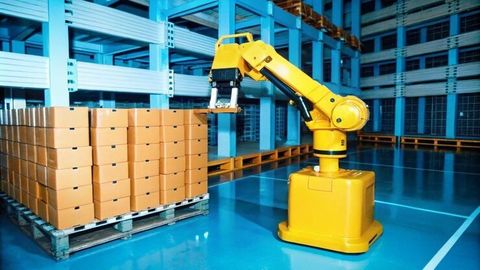
Robotic handling is another continuing development. Robots can move cells and modules between stations while reducing repetitive manual handling. Machine vision can assist with position verification, component identification, and inspection of selected assembly characteristics.
Battery Pack Automation
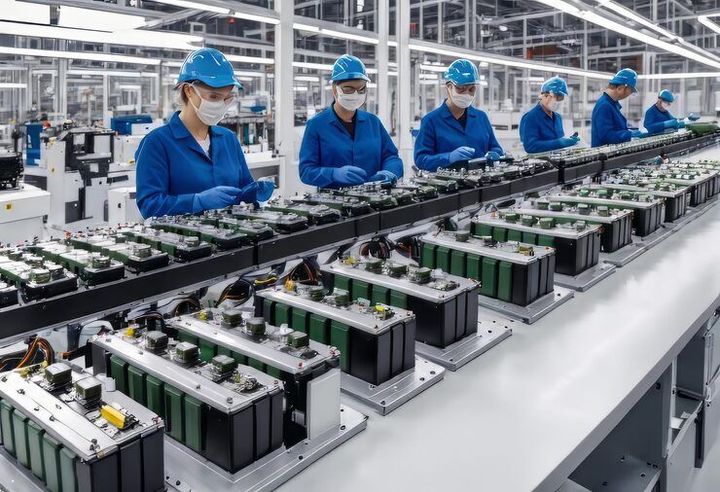
Automated battery pack lines can combine several operations within a coordinated production system. These may include cell placement, module positioning, electrical connection, fastening, sealing, inspection, and functional testing.
The level of automation varies significantly. Some production environments use operators for selected tasks while automated equipment performs repetitive or precision-dependent operations.
Quality and Traceability
Battery production increasingly involves digital records that connect components with individual manufacturing steps. Traceability systems can help identify when a component was processed, which equipment performed an operation, and what inspection or test result was recorded.
This approach is particularly relevant to complex battery systems because a pack can contain many individual cells and electrical connections. Identifying process variations can support manufacturing analysis and quality-control activities.
Changes in Battery Technology
Battery assembly equipment is also adapting to changes in cell formats, pack structures, and manufacturing approaches. Cylindrical, prismatic, and pouch cells have different physical characteristics and connection requirements.
New battery architectures can change how cells are arranged and connected within a pack. As a result, assembly equipment is increasingly designed around specific battery structures rather than relying on one universal machine configuration.
Laws or Policies
Battery manufacturing and assembly are affected by workplace safety requirements, electrical safety requirements, environmental rules, and regulations concerning batteries and hazardous materials. The exact requirements depend on the country, battery chemistry, facility, transportation method, and intended application.
In India, the Battery Waste Management Rules, 2022 provide a regulatory framework for battery waste management. The rules apply to producers, consumers, entities involved in collection and processing, and other relevant participants. They also establish an extended producer responsibility framework for covered batteries.
The Central Pollution Control Board maintains information and regulatory resources related to battery waste management and extended producer responsibility. Battery manufacturers and other regulated entities may need to follow applicable registration, reporting, collection, recycling, and environmental requirements.
For workplace safety, India's Occupational Safety, Health and Working Conditions Code provides a broader framework covering occupational safety and working conditions. Requirements applicable to a particular battery manufacturing facility can depend on the workplace, machinery, processes, and applicable rules.
Battery assembly also involves electrical hazards, stored energy, thermal hazards, moving machinery, welding operations, and potentially hazardous substances. Facilities generally need appropriate risk controls, operating procedures, training, protective equipment, emergency arrangements, and equipment safeguards based on the specific process.
Transportation requirements can also apply when batteries or battery-powered products are moved between locations. Requirements may vary according to battery type, condition, packaging, transport mode, and jurisdiction.
Tools and Resources
Several technical resources can help readers understand battery assembly systems and their operating requirements.
Battery Testing Equipment
Electrical testing equipment can measure parameters such as voltage, current, resistance, insulation characteristics, and charging or discharging behavior. Battery production lines may integrate automated testing systems to evaluate cells, modules, or complete packs.
Machine Vision Systems
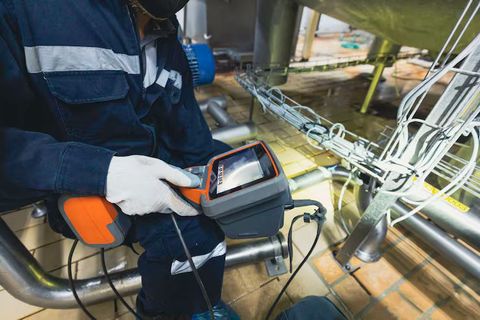
Machine vision equipment uses cameras, lighting, and image-processing software to inspect selected components or assembly conditions. It can assist with checking component position, markings, connectors, weld areas, and other visible characteristics.
Battery Management System Tools
Battery management system tools are used to monitor and control battery operating parameters. Depending on the system, they can monitor cell voltage, temperature, current, state-related measurements, and protection conditions.
Process Documentation
Production documentation can record important assembly information, such as:
| Process area | Information that may be recorded |
|---|---|
| Cell identification | Cell type, batch, or tracking identifier |
| Cell arrangement | Position and configuration |
| Connection process | Welding or joining parameters |
| Fastening | Torque or fastening information |
| Insulation | Material and inspection result |
| Electrical testing | Voltage, resistance, or continuity results |
| Thermal system | Cooling component installation |
| Final inspection | Visual and functional inspection results |
These records can support process monitoring and traceability.
Standards and Regulatory Resources
Government agencies, standards organizations, and battery-industry bodies publish information concerning battery safety, environmental requirements, transportation, testing, and manufacturing. Technical documentation for individual machines should also be consulted because operating limits and procedures differ between equipment designs.
FAQs
What are battery assembly machines?
Battery assembly machines are industrial systems used to perform controlled operations involved in assembling battery cells, modules, and packs. They may handle cell positioning, stacking, welding, fastening, inspection, testing, and other production tasks.
What are the main types of battery assembly machines?
Common types include cell sorting machines, stacking equipment, welding machines, busbar assembly systems, module assembly machines, pack assembly equipment, inspection systems, and electrical testing machines.
What are the main components of a battery assembly machine?
Typical components can include motors, actuators, robotic mechanisms, sensors, fixtures, conveyors, controllers, welding equipment, machine vision systems, safety guards, and human-machine interfaces. The exact configuration depends on the assembly operation.
How does a battery assembly process work?
A typical process may begin with cell identification and inspection, followed by cell arrangement, mechanical assembly, electrical connection, insulation, module or pack integration, and electrical and functional testing. The sequence varies according to battery chemistry, cell format, and pack design.
What safety factors are important in battery assembly?
Important safety factors include electrical isolation, control of stored energy, prevention of short circuits, thermal monitoring, machine guarding, welding safety, ventilation where applicable, fire protection, electrostatic controls, and appropriate worker training. Specific controls depend on the battery technology and manufacturing process.
Conclusion
Battery assembly machines support the controlled production of battery cells, modules, and packs through operations such as positioning, connection, fastening, inspection, and testing. Equipment designs vary according to cell format, battery architecture, production requirements, and automation level. Recent developments have emphasized robotics, machine vision, digital traceability, and integrated testing. Battery manufacturing and waste management are also influenced by workplace, environmental, electrical, and transportation requirements.