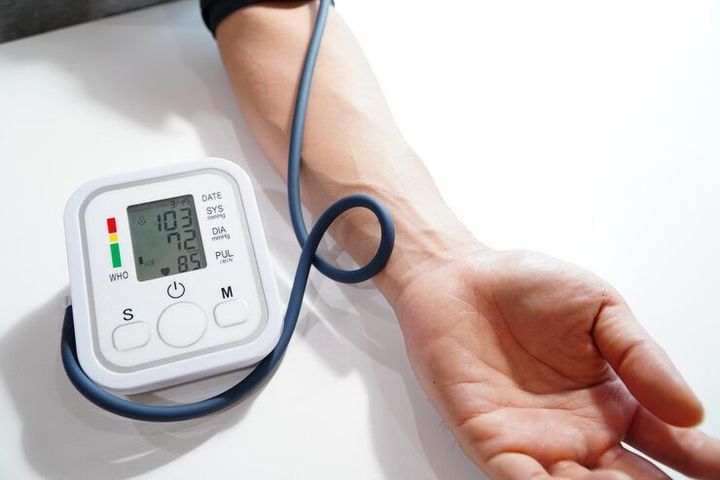
Blood Pressure Monitoring Guide: Explore Methods, Devices, Readings, Benefits, and Safety Factors
Blood pressure monitoring is the process of measuring the force of blood against the walls of the arteries. A blood pressure reading contains two numbers: systolic pressure, which represents pressure when the heart beats, and diastolic pressure, which represents pressure between heartbeats. Measurements are generally expressed in millimeters of mercury (mm Hg).
Blood pressure can be measured in a clinic, hospital, pharmacy, or home setting. Home monitoring has become a common way to collect repeated readings because one measurement only shows the pressure at a particular moment. A record of measurements over time can give a healthcare professional more information about a person's usual blood pressure.
Why Blood Pressure Is Monitored
Blood pressure changes throughout the day in response to factors such as physical activity, stress, food and drink, sleep, medications, and body position. Regular monitoring can help identify patterns that might not appear during a single clinical visit.
Home monitoring can also help healthcare professionals evaluate whether a treatment approach is affecting blood pressure as expected. It does not replace professional medical assessment or routine healthcare visits.
Main Blood Pressure Measurement Methods
Several methods are used to measure blood pressure. Manual measurement uses an inflatable cuff, pressure gauge, and stethoscope, while automated electronic devices use sensors to detect pressure changes.
Ambulatory blood pressure monitoring uses a portable device that records readings at intervals during normal daily activities, including periods of sleep. Home blood pressure monitoring uses a personal device to collect measurements under controlled conditions.
Importance
Blood pressure monitoring matters because high blood pressure can remain unnoticed while placing additional strain on the cardiovascular system. Regular measurements can help identify abnormal patterns and provide information that can be considered alongside other health factors.
Monitoring can be particularly useful for people who have already been diagnosed with high blood pressure, those beginning or changing treatment, and people whose healthcare professional wants additional readings outside a clinical environment.
Benefits of Regular Monitoring
The main benefits of blood pressure monitoring include:
- Tracking changes over time rather than relying on one reading.
- Providing additional information for healthcare assessments.
- Identifying differences between home and clinical readings.
- Helping evaluate changes after treatment adjustments.
- Creating a record that can be reviewed during healthcare appointments.
Home measurements can sometimes reveal white-coat hypertension, in which readings are higher in a clinical setting, or masked hypertension, in which readings may appear normal in a clinic but higher outside it.
Understanding the Two Numbers
The systolic number is written first and is the higher number. It indicates the pressure in the arteries when the heart contracts.
The diastolic number is written second and represents arterial pressure when the heart relaxes between beats. For example, a reading of 120/80 mm Hg has a systolic pressure of 120 and a diastolic pressure of 80.
For adults, commonly used categories from the American Heart Association and National Heart, Lung, and Blood Institute include the following:
| Category | Systolic | Diastolic |
|---|---|---|
| Normal | Less than 120 | Less than 80 |
| Elevated | 120–129 | Less than 80 |
| Stage 1 high blood pressure | 130–139 | 80–89 |
| Stage 2 high blood pressure | 140 or higher | 90 or higher |
| Very high range | Higher than 180 | Higher than 120 |
A category should not be interpreted as a diagnosis from a single home reading. Healthcare professionals consider repeated measurements and other relevant information when evaluating blood pressure.
Recent Updates
From 2024 through 2026, blood pressure monitoring has continued to move toward validated home devices, digital record keeping, remote data sharing, and more consistent measurement techniques. Greater attention is also being given to how posture, cuff placement, rest time, and other conditions can affect readings.
The American Heart Association currently recommends an automatic, cuff-style monitor used on the upper arm for home monitoring. Wrist and finger monitors are generally considered less reliable, while the cuff must be appropriately sized for the person's arm.
Digital and Connected Devices
Modern electronic monitors can display readings on a digital screen and may store previous measurements. Some devices can also transfer records to a digital platform, allowing readings to be reviewed over time.
Wearable and cuffless technologies, including some smartwatch-based systems, continue to develop. However, validation remains an important consideration because not every device that estimates blood pressure has demonstrated the same level of measurement accuracy as validated cuff-based equipment.
Greater Focus on Measurement Technique
Recent educational guidance has emphasized that measurement technique can substantially influence results. Sitting without back or foot support, placing the arm incorrectly, talking during measurement, using an incorrectly sized cuff, or measuring immediately after exercise can affect the reading.
For home measurements, the American Heart Association recommends avoiding smoking, caffeine, and exercise for about 30 minutes beforehand, emptying the bladder, resting quietly for at least five minutes, keeping the feet flat, supporting the arm at heart level, and taking two readings about one minute apart.
Laws or Policies
Blood pressure monitoring is primarily governed by healthcare standards, clinical guidance, medical-device requirements, and general consumer health regulations rather than one universal blood pressure monitoring law.
In India, medical devices are regulated under the country's medical-device regulatory framework, with the Central Drugs Standard Control Organisation (CDSCO) serving as the national regulatory authority for medical devices. Requirements can vary according to device classification and intended use.
For readers using a home blood pressure device, the practical focus should be on using an appropriately validated device, following the manufacturer's instructions, selecting the correct cuff size, and discussing unexpected or persistent readings with a qualified healthcare professional.
Healthcare information also needs to be handled carefully when digital monitoring systems transmit or store personal measurements. Users should understand how their device or platform stores health information and follow applicable privacy requirements.
These general points do not replace the rules applicable to a particular medical device, healthcare facility, or jurisdiction.
Tools and Resources
Several resources can support accurate blood pressure monitoring and record keeping.
Home Blood Pressure Monitor
An automatic upper-arm cuff monitor is commonly recommended for home use. The device should have an appropriate cuff size and should be validated for accuracy. The American Heart Association directs users toward validated-device resources such as ValidateBP when selecting a monitor.
Blood Pressure Log
A simple record can include the date, time, systolic reading, diastolic reading, pulse if displayed, and relevant notes. Keeping measurements in chronological order makes it easier to identify patterns.
Digital Health Records
Some monitors store measurements internally or connect with digital applications. These tools can make it easier to review readings over several days or weeks, although users should understand how the platform handles personal health information.
Measurement Checklist
Before taking a reading, the following checklist can help maintain consistent conditions:
- Rest quietly for at least five minutes.
- Avoid caffeine, smoking, and exercise for about 30 minutes beforehand.
- Empty the bladder.
- Sit with the back supported and feet flat on the floor.
- Place the cuff on bare skin.
- Keep the arm supported at heart level.
- Avoid talking during the measurement.
- Take two readings approximately one minute apart.
- Record the measurements for later review.
When a Reading Is Very High
A reading above 180/120 mm Hg is considered a very high range. The American Heart Association advises waiting at least one minute and taking another measurement. If the reading remains very high, medical attention should be sought promptly. If a reading above 180/120 mm Hg occurs with symptoms such as chest pain, shortness of breath, weakness, numbness, vision changes, or difficulty speaking, emergency medical attention is needed.
A single unusual reading can have several possible explanations, including measurement conditions or device-related issues. Repeating the measurement correctly and keeping a record can provide more useful information than reacting to one isolated result.
FAQs
How does blood pressure monitoring work?
Blood pressure monitoring uses an inflatable cuff and a measurement system to estimate pressure within the arteries. Automatic devices use electronic sensors, while manual methods use a pressure gauge and stethoscope.
What is the best device for home blood pressure monitoring?
For general home use, the American Heart Association recommends a validated automatic upper-arm cuff monitor with the correct cuff size. Wrist and finger devices are generally less reliable for routine home monitoring.
What do blood pressure readings mean?
The first number is systolic pressure and the second is diastolic pressure. In adults, readings below 120/80 mm Hg are categorized as normal by commonly used U.S. guidelines, while higher ranges are categorized according to the systolic or diastolic value.
How often should blood pressure be monitored?
The appropriate frequency depends on the person's health situation and the reason for monitoring. People who have been diagnosed with high blood pressure or are changing treatment may be asked by a healthcare professional to monitor more frequently.
What can affect a blood pressure reading?
Recent exercise, caffeine, smoking, stress, a full bladder, talking, incorrect posture, and an incorrectly sized cuff can influence measurements. Consistent preparation and positioning help make repeated readings more comparable.
Conclusion
Blood pressure monitoring provides a way to observe blood pressure readings over time rather than relying on one measurement. Home monitoring generally uses an automatic upper-arm cuff, while clinical and ambulatory methods provide additional ways to assess blood pressure under different conditions. Accurate technique, appropriate equipment, consistent record keeping, and professional interpretation are important parts of responsible monitoring. Very high readings, particularly when accompanied by concerning symptoms, require prompt medical attention.