Blow Moulding Machines Overview: Technology, Uses, and Industry Trends
Blow moulding machines are industrial manufacturing systems designed to produce hollow plastic products by shaping heated plastic with compressed air inside a mould. This manufacturing process has become one of the most widely used methods for producing bottles, containers, storage tanks, drums, automotive components, and numerous household products.
The technology was developed to meet the growing need for lightweight, durable, and consistently shaped plastic products. Over time, improvements in automation, energy efficiency, precision engineering, and digital monitoring have transformed blow moulding into a highly advanced manufacturing process.
Today, manufacturers use different blow moulding technologies depending on production requirements. These include extrusion blow moulding, injection blow moulding, and stretch blow moulding. Each process is designed for specific product types, production volumes, and material characteristics.
Modern industrial machinery also incorporates automation, quality monitoring, predictive maintenance, and intelligent production controls, allowing manufacturers to improve consistency while reducing material waste and energy consumption.
Importance
Blow moulding technology plays an essential role across multiple industries because many everyday products rely on hollow plastic components manufactured through this process.
Industries benefiting from blow moulding include:
| Industry | Common Applications |
|---|---|
| Food and Beverage | Bottles, containers, caps |
| Healthcare | Medical containers, laboratory bottles |
| Automotive | Air ducts, fuel reservoirs, fluid tanks |
| Agriculture | Chemical containers, irrigation components |
| Consumer Goods | Household storage products |
| Industrial Manufacturing | Drums, chemical containers, packaging |
The growing demand for lightweight packaging, improved production efficiency, and recyclable materials has made blow moulding increasingly important.
Major benefits include:
- High production efficiency
- Consistent product dimensions
- Reduced material waste
- Capability for complex hollow shapes
- Scalable manufacturing
- Better production automation
- Improved product quality
- Enhanced manufacturing precision
These advantages help manufacturers improve productivity while maintaining consistent product quality.
High-value industrial topics frequently associated with blow moulding include:
- Plastic Manufacturing Technology
- Industrial Automation
- Manufacturing Equipment
- Production Engineering
- Smart Manufacturing
- Industrial Machinery
- Packaging Technology
- Manufacturing Process Optimization
These subjects continue to attract significant attention due to ongoing industrial modernization.
Recent Updates
The past year has seen several important developments in blow moulding technology as manufacturers focus on sustainability, digital transformation, and operational efficiency.
Smart Manufacturing Expansion (2025–2026)
Manufacturing facilities are increasingly integrating Industrial Internet of Things (IIoT) technologies into production equipment. Sensors continuously monitor machine performance, production quality, and operating conditions, allowing quicker identification of maintenance requirements.
Greater Use of Recycled Plastic Materials
Many manufacturers have expanded the use of recycled plastic resins in blow moulding production. Equipment improvements now allow better processing of recycled materials while maintaining product consistency.
Energy-Efficient Machinery
New machine designs emphasize lower electricity consumption through improved heating systems, optimized hydraulic components, and advanced servo-driven technologies.
Automation and Robotics
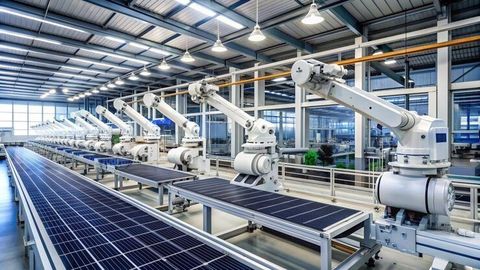
Automation continues to improve production efficiency by assisting with product handling, inspection, trimming, packaging, and quality verification. Robotic integration also supports consistent manufacturing output.
Digital Production Monitoring
Manufacturers increasingly use digital dashboards that display production statistics, machine utilization, maintenance schedules, and quality performance in real time.
Predictive Maintenance
Artificial intelligence and machine learning technologies are becoming more common in industrial equipment. These systems analyze operating data to identify potential maintenance needs before equipment failures occur.
Overall, industry trends indicate a continued focus on sustainable manufacturing, improved production efficiency, digital monitoring, and advanced automation.
Laws or Policies
The operation of blow moulding machines is influenced by industrial safety regulations, environmental policies, and manufacturing quality standards. These requirements vary by country but generally emphasize safe operation and responsible manufacturing.
Common regulatory areas include:
Workplace Safety
Industrial facilities are expected to maintain safe operating procedures for machinery, including:
- Machine guarding
- Emergency stop systems
- Operator training
- Electrical safety
- Routine equipment inspection
- Risk assessment procedures
Environmental Regulations
Many countries encourage manufacturers to reduce plastic waste through:
- Improved recycling practices
- Responsible material handling
- Waste reduction initiatives
- Energy efficiency improvements
- Sustainable manufacturing practices
Product Quality Standards
Manufacturers often follow recognized quality management systems to improve consistency, traceability, and production reliability.
Energy Efficiency Policies
Government initiatives increasingly encourage industrial facilities to adopt energy-efficient equipment and production methods that reduce overall environmental impact.
Plastic Waste Management
Many regions continue introducing updated frameworks that encourage recyclable materials, circular economy practices, and responsible plastic management throughout manufacturing processes.
These policies support safer workplaces while encouraging environmentally responsible industrial production.
Tools and Resources
Various learning resources and industrial tools help professionals better understand blow moulding technology.
Useful resources include:
| Resource Type | Purpose |
| Production Calculators | Estimate production output and cycle efficiency |
| Material Selection Guides | Compare plastic material characteristics |
| Machine Maintenance Checklists | Support routine inspection planning |
| Energy Consumption Calculators | Evaluate operational efficiency |
| Production Planning Templates | Organize manufacturing schedules |
| Quality Inspection Forms | Track production consistency |
| Industrial Safety Checklists | Improve workplace safety awareness |
| Engineering Learning Platforms | Build technical knowledge |
| Manufacturing Training Modules | Understand machine operation |
| Industrial Design Software | Support mould and product development |
Educational materials covering manufacturing engineering, plastics processing, automation, and quality control also help individuals understand modern blow moulding systems.
Frequently Asked Questions
What is a blow moulding machine?
A blow moulding machine is industrial equipment that produces hollow plastic products by inflating heated plastic inside a mould using compressed air.
What products are commonly made using blow moulding?
Common products include plastic bottles, storage containers, automotive tanks, chemical drums, household containers, medical bottles, and industrial packaging components.
What are the main types of blow moulding?
The three primary methods are extrusion blow moulding, injection blow moulding, and stretch blow moulding. Each method is designed for different production requirements and product designs.
Why is automation becoming important in blow moulding?
Automation improves production consistency, reduces manual intervention, enhances quality inspection, supports predictive maintenance, and increases manufacturing efficiency.
How is sustainability influencing blow moulding technology?
Manufacturers are increasingly using recyclable materials, improving energy efficiency, reducing material waste, and adopting smarter production systems that support environmentally responsible manufacturing.
Conclusion
Blow moulding machines remain one of the most important technologies in modern plastic manufacturing. Their ability to efficiently produce lightweight, durable, and precisely shaped hollow products supports industries ranging from food packaging to healthcare and automotive manufacturing.