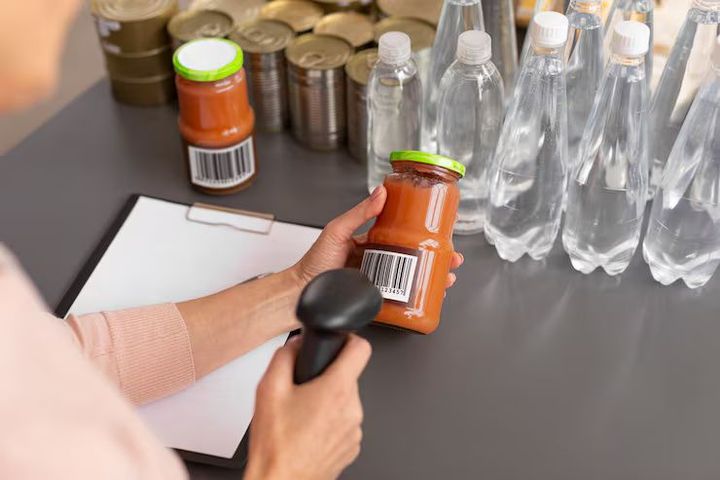
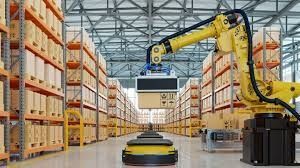
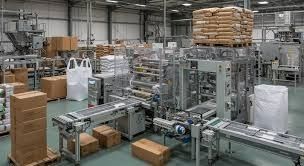
As global manufacturing automation expands, production lines operate at increasingly high speeds. A single line can process thousands of bottles per hour, making manual inspection unreliable. Bottle inspection systems ensure each unit meets predefined quality and safety standards before distribution.
These systems use advanced industrial inspection technologies to maintain consistency and accuracy across production lines.
Key Technologies Used
-
Vision inspection cameras
-
X-ray detection systems
-
Laser measurement sensors
-
Artificial intelligence image analysis
-
Infrared and ultraviolet scanning
Modern systems integrate with programmable logic controllers (PLCs) and manufacturing execution systems (MES). This allows real-time monitoring, automated rejection of defective units, and comprehensive data collection.
Common Defects Detected
-
Cracks or structural damage
-
Improper cap sealing
-
Incorrect fill levels
-
Label misalignment
-
Foreign particle contamination
The primary goal is to ensure product integrity, maintain compliance, and protect consumer safety.
Importance of Bottle Inspection Systems
Bottle inspection systems are essential due to strict regulatory standards, rising consumer expectations, and rapid industrial automation. They help maintain consistent quality across large-scale production environments.
Industries That Rely on Inspection Systems
-
Beverage manufacturing
-
Pharmaceutical production
-
Food packaging
-
Personal care and cosmetics
-
Chemical processing
In pharmaceuticals, minor defects can compromise sterility. In beverages, incorrect fill levels may lead to compliance issues, while labeling errors in cosmetics can mislead consumers.
Key Benefits
-
Reduce defective product circulation
-
Improve operational efficiency
-
Minimize product recalls
-
Support regulatory compliance
-
Enhance traceability
Automated inspection reduces the risk of costly recalls and protects brand reputation. It also generates digital records that support audits and regulatory reviews.
Sustainability is another major advantage. Early defect detection reduces material waste and energy consumption associated with reprocessing.
Recent Updates (2024–2025)
Recent developments have significantly improved the performance of bottle inspection systems. In 2025, manufacturers increasingly adopted AI-powered vision systems capable of detecting complex defects with higher accuracy.
Key Industry Trends
-
Integration of edge computing
-
High-resolution cameras for faster inspection
-
Expansion of smart factory connectivity
-
Machine learning-based defect classification
-
Enhanced digital traceability platforms
Predictive quality analytics is gaining traction, enabling early detection of production issues. Digital twin technology is also being used to simulate inspection systems before deployment.
Sustainability improvements include energy-efficient sensors and optimized rejection mechanisms. These innovations align with Industry 4.0 frameworks and smart manufacturing systems.
Laws and Policies
Bottle inspection systems must comply with strict regulations, especially in food and pharmaceutical industries. These laws ensure product safety, quality, and traceability.
United States Regulations
-
Food and Drug Administration (FDA) standards
-
Current Good Manufacturing Practice (cGMP)
-
Food Safety Modernization Act (FSMA)
European Union Regulations
-
EU food safety regulations
-
Pharmaceutical GMP guidelines
-
CE marking requirements
Many countries require traceability documentation, which automated systems help generate. Workplace safety regulations also influence system design and operation.
Environmental Considerations
-
Waste reduction initiatives
-
Packaging compliance
-
Recycling regulations
Governments are encouraging smart manufacturing through digital transformation programs. Compliance ensures consistent production quality and legal adherence.
Tools and Resources
Various tools and platforms support bottle inspection systems and automation processes. These tools enhance system performance, data tracking, and quality management.
Software Tools
-
Machine vision software platforms
-
Statistical process control (SPC) tools
-
Manufacturing execution systems (MES)
-
Industrial data analytics dashboards
-
PLC programming software
-
AI model training platforms
Hardware Components
-
High-speed industrial cameras
-
LED lighting modules
-
Laser measurement sensors
-
Conveyor tracking encoders
-
X-ray inspection modules
Inspection Technology Comparison
| Inspection Technology | Primary Function | Typical Industry Use |
|---|
| Vision Inspection | Surface defect detection | Beverage, cosmetics |
| X-ray Inspection | Internal contamination detection | Food, pharmaceuticals |
| Laser Measurement | Dimensional accuracy verification | Chemical, industrial fluids |
| AI-Based Systems | Complex defect classification | High-speed automated lines |
Basic Inspection Workflow
-
Bottle enters conveyor system
-
Sensors trigger image capture
-
Software analyzes image data
-
System compares with quality parameters
-
Defective units are rejected
-
Data is logged for quality tracking
Example Defect Monitoring Data
| Month | Detected Defects (%) |
|---|
| January | 1.8% |
| February | 1.4% |
| March | 1.1% |
| April | 0.9% |
Tracking defect rates helps identify production improvements and supports continuous optimization.
Industry Standards and Resources
-
ISO (International Organization for Standardization) guidelines
-
HACCP frameworks
-
GMP documentation templates
Educational resources are also available through engineering institutions and automation training programs.
Frequently Asked Questions
What is a bottle inspection system?
A bottle inspection system is an automated quality control solution that detects defects, contamination, fill inconsistencies, and labeling errors during production.
How does machine vision improve inspection accuracy?
Machine vision uses high-resolution cameras and image processing software to analyze bottles within milliseconds. It identifies defects beyond human capability.
Why is inspection important in pharmaceutical manufacturing?
Inspection ensures sterility and compliance with strict regulations. It prevents defective or unsafe products from reaching consumers.
Can inspection systems operate at high speeds?
Yes, modern systems can inspect thousands of bottles per hour using advanced processors and automation technologies.
How do inspection systems support compliance?
They generate digital records, maintain traceability logs, and document quality control processes required by regulatory authorities.
Conclusion
Bottle inspection systems are essential components of modern manufacturing and industrial automation. They ensure accuracy, maintain compliance, and protect consumer safety across industries.
With advancements in AI, predictive analytics, and smart factory integration, these systems continue to evolve. Recent trends highlight a strong focus on automation precision, sustainability, and traceability.
Understanding bottle inspection systems helps manufacturers and professionals maintain high production standards. As technology advances, these systems remain critical for ensuring consistent quality in high-speed production environments.