Cheese Making Equipment Guide: Explore Types, Components, Processes, Applications, and Planning Factors
Cheese making equipment refers to the tools, machines, tanks, heating systems, cutting devices, presses, cooling units, and other components used to transform milk into cheese. The equipment used depends on the type of cheese, production scale, milk characteristics, processing method, and required level of process control.
Traditional cheese production relied heavily on manual tools and simple vessels. As dairy processing developed, dedicated equipment was introduced to control important stages such as milk preparation, coagulation, curd cutting, whey separation, pressing, salting, cooling, and maturation.
Modern cheese production can range from small-batch operations using relatively simple equipment to industrial facilities using automated processing lines. Although the equipment varies, the fundamental process remains based on controlling milk, cultures, coagulation, curd formation, whey removal, and maturation.
What Cheese Making Equipment Includes
A cheese processing setup may contain several groups of equipment:
- Milk receiving and storage tanks
- Pasteurization or heat-treatment systems
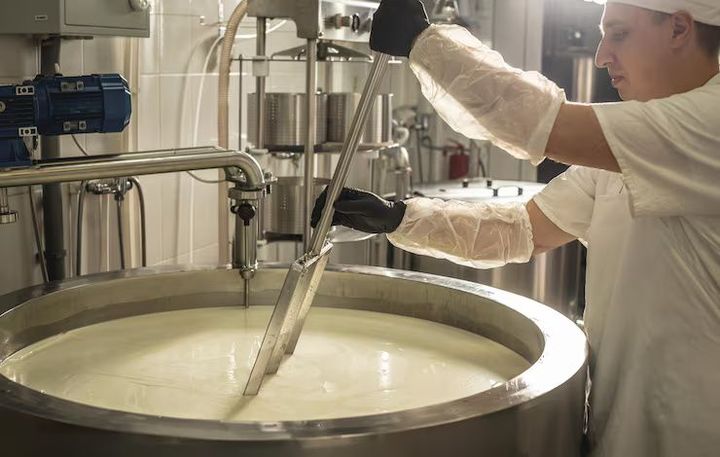
- Cheese vats
- Curd knives and cutting systems
- Curd handling and stirring equipment
- Whey drainage systems
- Cheese molds and presses
- Brining equipment
- Cooling systems
- Ripening or maturation rooms
- Cleaning and sanitation equipment
- Packaging and weighing equipment
Not every cheese plant requires all of these components. Fresh cheeses may require fewer processing stages than varieties that undergo extended maturation.
Why Equipment Design Varies
Cheese varieties have different moisture levels, textures, cultures, shapes, and maturation requirements. A soft fresh cheese may require a different processing arrangement from a firm aged cheese.
Production scale also influences equipment selection. Small facilities may use batch equipment, while larger plants can use continuous or semi-automated systems for particular stages.
Importance
Cheese making equipment plays an important role in maintaining controlled processing conditions. Temperature, acidity, moisture, curd size, mixing, pressing, and salting can all influence the characteristics of the finished cheese.
For dairy processors, consistent control can also help reduce variation between production batches. Equipment that allows operators to monitor and adjust processing conditions can make it easier to document production procedures.
Main Processing Challenges
Cheese production involves several physical and biological changes. Milk must be prepared correctly, coagulation must occur under suitable conditions, and the resulting curd must be separated from whey.
Common process challenges include:
- Maintaining appropriate processing temperatures
- Achieving consistent curd formation
- Controlling curd size during cutting
- Managing whey removal
- Controlling moisture content
- Maintaining hygienic processing conditions
- Managing salting and brining
- Maintaining suitable maturation conditions
The exact importance of each factor depends on the cheese variety and production method.
Role of Hygiene
Dairy products require careful hygienic handling because microorganisms can affect both food quality and safety. Equipment surfaces that contact milk or curd must be appropriately cleaned and maintained.
Smooth, accessible equipment surfaces can make cleaning procedures easier. In larger facilities, cleaning-in-place systems may circulate cleaning solutions through tanks, pipes, valves, and other components without requiring complete equipment disassembly.
Recent Updates
From 2024 through 2026, cheese processing has continued to reflect broader developments in dairy automation, process monitoring, energy management, and hygienic equipment design. Modern facilities increasingly combine mechanical equipment with sensors, electronic controls, and data collection systems.
Automation can be applied to activities such as temperature control, curd cutting, stirring, whey handling, filling, pressing, and cleaning. The extent of automation varies significantly according to facility size and cheese type.
Digital Monitoring
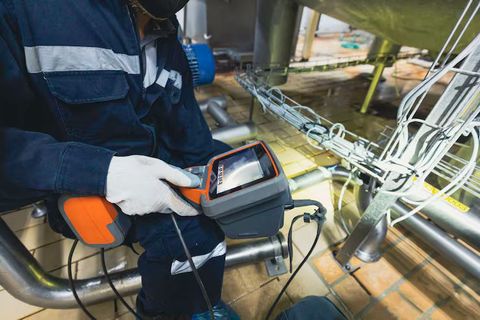
Sensors can monitor parameters such as temperature, pressure, flow, tank levels, and other process conditions. Digital control systems can then display or record this information for operators.
This approach is particularly relevant in larger processing environments where multiple production stages need to be coordinated. Data records can also support process documentation and quality-control activities.
Energy and Water Management
Dairy processing uses energy and water for heating, cooling, cleaning, and other operations. Equipment manufacturers and processors continue to examine methods for reducing unnecessary energy and water use while maintaining appropriate hygiene.
Heat recovery, improved insulation, efficient refrigeration, and optimized cleaning cycles are among the technologies used in some modern facilities. The practical effect depends on equipment configuration, operating conditions, and facility design.
Hygienic Equipment Design
Food-processing equipment continues to emphasize hygienic construction. Stainless steel is widely used for product-contact surfaces because of its durability and suitability for cleaning when properly designed and maintained.
Modern hygienic design also considers weld quality, drainage, access points, seals, valves, pipe layouts, and the reduction of areas where product residues could accumulate.
Laws or Policies
Cheese production is governed by food-safety and dairy regulations that vary by country. In India, the Food Safety and Standards Authority of India (FSSAI) establishes requirements relating to food safety, hygiene, licensing, labeling, and standards for food businesses.
FSSAI's regulations include requirements relevant to milk and milk products. Food businesses handling dairy products need to follow the applicable requirements for their particular activity, facility, and product.
The Food Safety and Standards (Licensing and Registration of Food Businesses) Regulations establish licensing and registration requirements for food businesses operating in India. The applicable category depends on factors such as the nature and scale of the food operation.
FSSAI also provides guidance and information related to food safety management and hygiene practices. These resources can help food businesses understand applicable sanitary and operational requirements.
Equipment itself may also be affected by applicable electrical, workplace-safety, pressure-equipment, environmental, and construction requirements. The exact obligations depend on the equipment and facility.
Food processors should therefore check current FSSAI requirements and applicable state or local regulations before establishing or modifying a cheese-processing operation. General information about cheese making equipment does not replace regulatory or professional advice.
Tools and Resources
Several resources can help readers understand cheese production equipment and processing requirements.
Processing Flow Diagrams
A basic process flow diagram can show the sequence from milk reception through processing and maturation. A typical general sequence may include:
Milk reception → filtration → heat treatment → cooling → culture addition → coagulation → curd cutting → whey separation → molding → pressing → salting → maturation → packaging
Not every cheese follows this exact sequence. Fresh cheeses, soft cheeses, and aged cheeses may use different stages.
Temperature and Process Records
A process record can help document important production conditions. Typical fields include:
| Process Stage | Information Commonly Recorded |
|---|---|
| Milk reception | Volume, temperature, source information |
| Heat treatment | Temperature and holding conditions |
| Culture addition | Culture type and processing stage |
| Coagulation | Time, temperature, and curd formation |
| Curd cutting | Cutting method and curd size |
| Whey separation | Drainage method and observations |
| Pressing | Pressure and duration |
| Salting | Salt concentration or application method |
| Maturation | Temperature, humidity, and duration |
| Final inspection | Appearance, texture, and other checks |
Equipment Manuals
Equipment manuals provide model-specific information about operating procedures, cleaning requirements, maintenance intervals, electrical specifications, and safety precautions.
For processing equipment, the manufacturer's technical documentation should be treated as the primary reference for operating limits and maintenance procedures.
FSSAI Resources
FSSAI provides regulatory information, food-safety guidance, licensing information, and standards applicable to food businesses in India. These resources can help readers understand the regulatory framework surrounding dairy processing.
Technical standards and food-safety documents should be checked for their current version because requirements can change.
FAQs
What equipment is used for cheese making?
Common cheese making equipment includes milk tanks, cheese vats, heating systems, curd knives, stirring equipment, whey drainage systems, molds, presses, brining equipment, cooling systems, maturation rooms, and cleaning equipment.
How does cheese making equipment work?
Cheese making equipment controls different stages of milk processing, including heating, cooling, coagulation, curd cutting, whey separation, pressing, salting, and maturation. Each machine or component performs a specific function within the overall process.
What are the main components of a cheese making machine?
Depending on the design, a cheese making machine may include a processing vat, heating or cooling system, agitator, curd-cutting mechanism, temperature sensors, control panel, valves, piping, and drainage components.
What factors should be considered when planning cheese making equipment?
Important planning factors include the type of cheese, production volume, milk characteristics, processing method, available space, utilities, cleaning requirements, temperature control, hygiene requirements, and applicable food-safety regulations.
What regulations apply to cheese production in India?
Cheese production in India is subject to applicable food-safety requirements administered by FSSAI, along with other relevant regulations. Requirements can vary according to the food business, product, production scale, and facility.
Conclusion
Cheese making equipment supports the controlled transformation of milk into different types of cheese through stages such as coagulation, curd cutting, whey separation, pressing, salting, and maturation. Equipment design varies according to cheese type, production scale, process requirements, and hygiene considerations. Recent developments have increased the use of automation, digital monitoring, hygienic design, and resource-management technologies. In India, applicable FSSAI requirements and other relevant regulations form an important part of planning and operating a dairy-processing facility.