Chemical Mixing Equipment: Guide to Mixing Technologies, Applications, and Performance
Chemical mixing equipment plays an important role in modern manufacturing and processing industries.
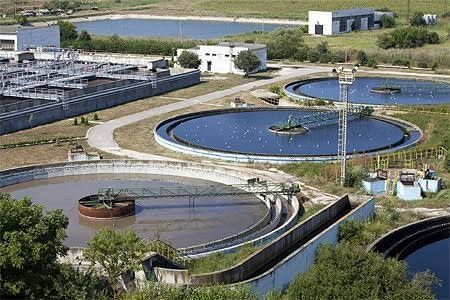
It is used to combine liquids, powders, gases, and other materials into consistent mixtures that meet specific production requirements. From water treatment facilities to food processing plants and chemical manufacturing sites, mixing systems help ensure that ingredients are evenly distributed throughout a process.
The development of industrial chemical mixers has evolved alongside advances in industrial production. Early mixing methods relied on simple mechanical stirring, while modern systems use advanced controls, specialized impellers, and automated technologies to improve consistency and efficiency. Today, chemical processing equipment is designed to handle a wide variety of materials, including corrosive chemicals, viscous liquids, and sensitive compounds.
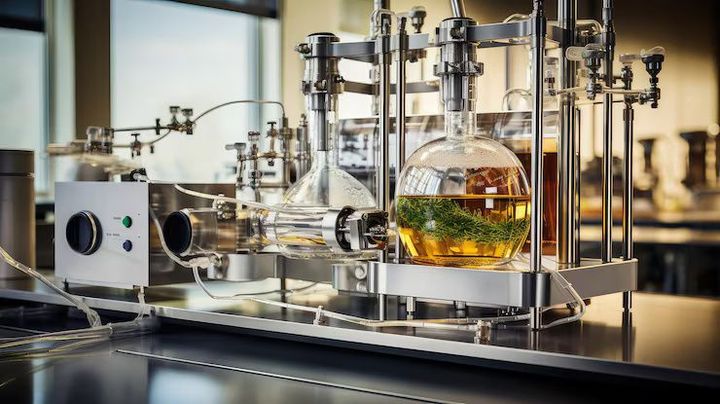
Chemical mixing tank systems are commonly integrated into larger production lines. These systems may include tanks, agitators, pumps, sensors, and control panels that work together to maintain precise mixing conditions. Depending on the application, manufacturers may use batch chemical mixing equipment for smaller production runs or continuous systems for ongoing operations.
A wide range of chemical mixing equipment manufacturers produce systems tailored to different industries and processing requirements. Equipment designs vary according to material properties, production volume, and operational conditions.
Importance
Supporting Product Consistency
One of the primary purposes of chemical blending equipment is to create uniform mixtures. Consistency is important in many industries because uneven mixing can affect product quality, performance, and safety.
For example, in water treatment operations, chemicals must be evenly dispersed to achieve the intended treatment results. In manufacturing environments, proper blending helps maintain consistent product specifications.
Improving Process Efficiency
Industrial mixing machines for chemicals help reduce processing time by accelerating the blending process. Efficient mixing can contribute to smoother production workflows and more predictable operating conditions.
Different mixer designs are used depending on the characteristics of the materials being processed. Some systems are designed for rapid blending, while others focus on maintaining gentle movement to protect sensitive materials.
Supporting Safety and Handling
Many chemicals require controlled handling during processing. Chemical agitator systems help maintain material suspension, prevent settling, and reduce the risk of uneven chemical concentrations.
In environments where hazardous substances are present, enclosed mixing systems can help support workplace safety by reducing exposure to airborne particles or vapors.
Serving Diverse Industries
Chemical mixing equipment is used across numerous sectors, including:
- Chemical manufacturing
- Water and wastewater treatment
- Food and beverage production
- Pharmaceuticals
- Cosmetics and personal care products
- Agriculture
- Paints and coatings
- Mining and mineral processing
The broad use of these systems highlights their importance in supporting many products and processes used in everyday life.
Recent Updates
Growth of Automated Mixing Technologies
Between 2024 and 2026, many facilities have continued adopting automated chemical mixing systems. Automation allows operators to monitor and adjust mixing parameters through digital control systems.
Automated systems often incorporate sensors that track factors such as temperature, flow rate, and mixing speed. This information helps maintain process consistency while reducing manual intervention.
Increased Use of Data Monitoring
Modern mixing systems increasingly include data collection and process monitoring capabilities. Operators can review production data, identify trends, and improve process control through integrated software platforms.
This trend supports quality management and helps facilities document production conditions for regulatory and operational purposes.
Focus on Energy Efficiency
Manufacturers continue developing equipment designed to reduce energy consumption during mixing operations. Improved impeller designs and variable-speed drives allow mixers to operate more efficiently while maintaining desired mixing performance.
Energy efficiency has become an important consideration in industrial equipment selection due to environmental and operational considerations.
Expansion of High Shear Mixing Applications
High shear chemical mixers are gaining wider use in industries that require fine particle dispersion or emulsification. These systems generate intense mixing forces that help break down particles and create stable mixtures.
Applications include:
- Emulsions
- Suspensions
- Coatings
- Cosmetic formulations
- Specialty chemicals
Greater Demand for Corrosion-Resistant Materials
Stainless steel chemical mixers remain widely used because of their durability and resistance to corrosion. Facilities processing aggressive chemicals increasingly seek materials designed to withstand challenging operating environments.
Advanced material options and protective coatings continue to expand the range of applications for industrial mixing equipment.
Laws or Policies
Workplace Safety Regulations
Chemical processing operations are often governed by workplace safety regulations that address equipment operation, employee protection, and hazard management. Requirements vary by country and region but generally focus on reducing risks associated with chemical handling.
Facilities may be required to maintain equipment properly, provide employee training, and implement procedures for managing hazardous materials.
Environmental Protection Requirements
Environmental regulations often influence how chemical mixing systems are designed and operated. Facilities may need to manage emissions, wastewater discharge, and chemical storage according to applicable rules.
Mixing equipment can play a role in environmental compliance by supporting controlled chemical dosing and reducing material waste.
Equipment Standards and Certification
Industrial equipment frequently follows recognized engineering and manufacturing standards. These standards may address:
- Material selection
- Structural integrity
- Pressure ratings
- Electrical safety
- Sanitary design requirements
Compliance with applicable standards helps support safe and reliable operation.
Documentation and Quality Control
Industries such as pharmaceuticals and food processing often require detailed documentation of manufacturing activities. Automated chemical mixing systems can assist with recordkeeping by storing operational data and process information.
Regulatory expectations vary depending on the industry and location, but documentation remains an important aspect of quality management.
Tools and Resources
Several tools and resources can help organizations understand and manage chemical mixing operations.
Engineering Calculation Software
Engineering software can assist with:
- Mixing time estimation
- Tank sizing
- Power calculations
- Flow analysis
- Process modeling
These tools help engineers evaluate equipment performance and process requirements.
Industry Standards Organizations
Organizations that publish technical standards provide guidance on equipment design, safety, and operational practices. Their publications are commonly used as reference materials during equipment selection and facility planning.
Process Monitoring Platforms
Digital monitoring platforms allow operators to observe equipment performance in real time. These systems can track operating conditions and generate reports that support maintenance and quality control activities.
Equipment Documentation Resources
Many equipment providers publish technical manuals, maintenance guides, and specification documents that help users understand system operation and maintenance requirements.
Typical Chemical Mixer Types
| Mixer Type | Common Application | Mixing Intensity |
|---|---|---|
| Paddle Mixer | General blending | Moderate |
| Propeller Mixer | Liquid mixing | Moderate to High |
| Turbine Mixer | Chemical processing | High |
| High Shear Mixer | Emulsions and dispersions | Very High |
| Ribbon Blender | Powder blending | Moderate |
| Anchor Mixer | Viscous materials | Low to Moderate |
The appropriate mixer type depends on material characteristics, production objectives, and process conditions.
FAQs
What is chemical mixing equipment?
Chemical mixing equipment refers to machines and systems used to combine liquids, powders, gases, or other substances into a uniform mixture. These systems may include tanks, mixers, agitators, pumps, and control components.
How do industrial chemical mixers work?
Industrial chemical mixers use mechanical motion to move and blend materials within a container. Different mixer designs create varying flow patterns that help distribute materials evenly throughout the mixture.
What are high shear chemical mixers used for?
High shear chemical mixers are commonly used for emulsification, particle size reduction, and dispersion processes. They generate strong mixing forces that help create uniform mixtures and stable formulations.
Why are stainless steel chemical mixers widely used?
Stainless steel chemical mixers are often used because they provide corrosion resistance, durability, and compatibility with many industrial processing environments. They are common in chemical, food, and pharmaceutical applications.
What is the difference between batch chemical mixing equipment and continuous mixing systems?
Batch chemical mixing equipment processes materials in individual batches before discharge. Continuous systems operate without interruption, with materials entering and leaving the mixer continuously during production.
Conclusion
Chemical mixing equipment supports a wide range of industrial processes by helping create consistent and controlled mixtures. Modern systems include technologies such as automation, digital monitoring, and advanced mixing designs that address diverse production requirements. Industrial chemical mixers, chemical agitator systems, and chemical blending equipment continue to evolve as industries seek improved efficiency and process control. Understanding the different technologies, applications, and regulatory considerations provides valuable insight into the role of mixing systems within modern manufacturing and processing operations.