Commercial Sewing Machine Guide for Understanding Modern Industrial Stitching Systems
The textile and garment industry depends on precision, speed, and consistency to produce everything from everyday clothing to technical fabrics and upholstery.
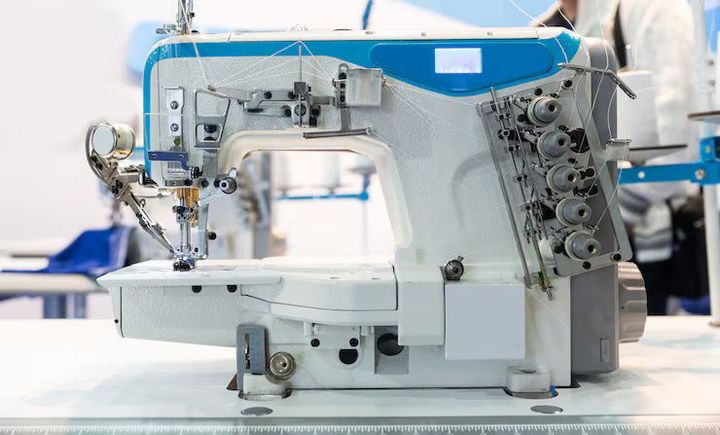
At the heart of these manufacturing processes is the commercial sewing machine, a specialized piece of equipment designed to handle continuous production while delivering accurate and durable stitching. Unlike standard household machines, commercial models are engineered for demanding workloads, making them essential in factories, tailoring units, upholstery workshops, and industrial production facilities.
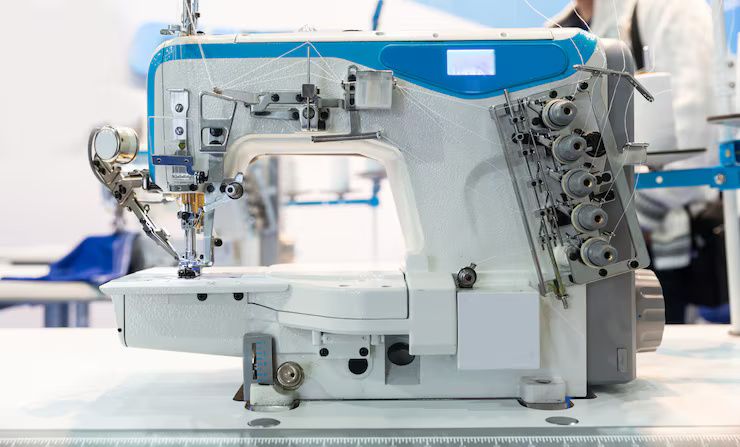
Modern industrial stitching systems have evolved significantly with advances in automation, digital controls, and ergonomic design. Today, manufacturers can choose from manual, automatic, and computerized sewing machines, each designed to meet specific production requirements. Understanding how these systems work helps businesses, students, and industry professionals appreciate the technology behind efficient textile manufacturing.
This guide explores the basics of commercial sewing machines, their types, components, applications, technological advancements, and the trends shaping modern industrial sewing.
What Is a Commercial Sewing Machine?
A commercial sewing machine is a heavy-duty sewing system designed for continuous use in professional and industrial environments. It is built with stronger motors, durable internal components, and specialized mechanisms capable of handling various fabrics and production volumes.
Unlike household sewing machines, commercial equipment focuses on speed, reliability, and consistent stitch quality. These machines are commonly found in garment factories, furniture manufacturing, automotive upholstery production, footwear manufacturing, and textile processing facilities.
Many modern commercial sewing machines are designed for specific sewing operations, allowing manufacturers to improve workflow and maintain consistent production standards.
Why Commercial Sewing Machines Are Important
Industrial production requires equipment that can operate efficiently for long periods while maintaining stitch accuracy. Commercial sewing machines provide several advantages that support modern manufacturing.
Key benefits include:
- High production efficiency
- Consistent stitch quality
- Reliable continuous operation
- Capability to handle heavy materials
- Reduced manual effort
- Improved workflow organization
- Compatibility with automated production systems
These characteristics make commercial sewing machines a fundamental part of today's textile and manufacturing industries.
How Industrial Sewing Machines Work
Although machine designs vary depending on their purpose, most industrial sewing machines follow a similar operating process.
The operator or automated feeding system positions the material beneath the presser foot. As the motor drives the needle mechanism, thread passes through the fabric while a hook or shuttle mechanism forms stitches beneath the material. Feed mechanisms move the fabric forward at controlled intervals, ensuring uniform stitch spacing.
Modern industrial sewing machines often incorporate electronic controls that regulate stitching speed, thread tension, needle positioning, and programmable sewing patterns.
The result is a highly efficient stitching system capable of producing consistent seams across large production runs.
Main Components of a Commercial Sewing Machine
Understanding the primary components helps explain how these machines achieve precision and reliability.
Motor System
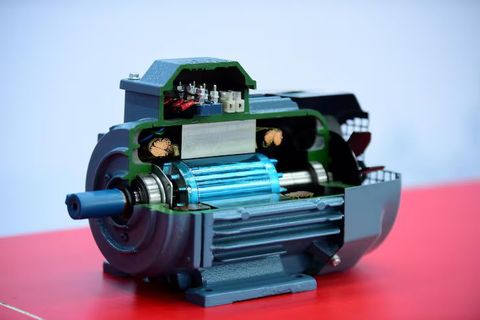
The motor provides the power needed to operate the machine continuously. Many modern machines use energy-efficient servo motors that offer smooth speed control and quieter operation.
Needle Mechanism
The needle penetrates the fabric and works with the hook system to create stitches. Different needle types are selected based on fabric thickness and material characteristics.
Presser Foot
The presser foot holds the fabric securely during stitching while allowing smooth movement through the machine.
Feed System
Feed mechanisms move fabric consistently through the sewing area, helping maintain uniform stitch length and alignment.
Bobbin and Hook Assembly
These components interlock the upper and lower threads to create durable stitches suitable for industrial applications.
Control Panel
Computerized sewing machines include digital interfaces that allow operators to adjust settings, select stitch patterns, and monitor machine performance.
Types of Commercial Sewing Machines
Different sewing operations require specialized machines. Selecting the appropriate system depends on the material, stitch type, and production process.
| Machine Type | Primary Function | Common Applications |
|---|---|---|
| Lockstitch Machine | Straight stitching | General garment production |
| Overlock Machine | Edge finishing | Apparel manufacturing |
| Coverstitch Machine | Stretch fabric finishing | Sportswear and knitwear |
| Walking Foot Machine | Heavy material handling | Upholstery and leather products |
| Automatic Sewing Machine | Repetitive sewing operations | High-volume production |
| Computerized Sewing Machine | Programmable stitching | Precision manufacturing |
Each machine supports specific manufacturing tasks and contributes to efficient production workflows.
Automatic Sewing Machines in Modern Manufacturing
An automatic sewing machine performs selected sewing operations with minimal manual intervention.
These systems may automate functions such as:
- Thread trimming
- Needle positioning
- Fabric feeding
- Stitch counting
- Pattern repetition
- Backstitch programming
- Speed adjustment
Automation improves consistency while reducing operator workload, making these machines valuable in high-volume production environments.
Automatic sewing systems are increasingly integrated into production lines where efficiency and repeatability are essential.
Understanding Computerized Sewing Machines
A computerized sewing machine combines mechanical stitching systems with digital technology.
Using built-in software and programmable controls, operators can configure stitching patterns, adjust machine settings, and store production programs for repeated use.
Advantages of computerized systems include:
- Precise stitch control
- Programmable patterns
- Reduced setup time
- Improved consistency
- Simplified operation
- Enhanced production flexibility
Many advanced machines also include touchscreen interfaces, diagnostics, and production monitoring features that assist operators during manufacturing.
Commercial Sewing Machines for Factories
A sewing machine for factories is designed to support continuous production while maintaining reliability over extended operating periods.
Factory sewing systems often prioritize:
- High operating speed
- Durable construction
- Minimal downtime
- Efficient workflow integration
- Consistent stitch quality
- Easy maintenance
- Worker safety
- Production scalability
Different departments within a factory may use specialized machines for cutting, assembly, finishing, decorative stitching, or quality inspection.
This specialization helps optimize manufacturing efficiency throughout the production process.
Applications Across Industries
Commercial sewing machines are used far beyond garment manufacturing.
Industries that rely on industrial stitching systems include:
- Apparel manufacturing
- Furniture production
- Automotive interiors
- Footwear manufacturing
- Medical textiles
- Protective clothing
- Outdoor equipment
- Home furnishings
- Bags and luggage
- Technical textile production
Each application requires equipment designed to accommodate different materials, stitch types, and production requirements.
Choosing the Right Industrial Sewing Machine
Selecting an industrial sewing machine involves evaluating several practical factors.
Material Type
Lightweight fabrics, denim, leather, canvas, and technical textiles require different machine capabilities and needle systems.
Production Volume
Higher production volumes often benefit from automatic sewing machines with advanced workflow features.
Stitch Requirements
Different products require lockstitch, chain stitch, overlock, coverstitch, or decorative stitching systems.
Operator Experience
Computerized sewing machines often simplify operation through programmable settings and digital controls, reducing manual adjustments.
Maintenance Needs
Reliable maintenance access supports long-term productivity and equipment lifespan.
Maintenance for Long-Term Performance
Regular maintenance is essential for keeping commercial sewing machines operating efficiently.
Common maintenance activities include:
- Cleaning lint and dust
- Lubricating moving components
- Checking thread tension
- Replacing worn needles
- Inspecting belts and drive systems
- Verifying stitch quality
- Calibrating machine settings
- Monitoring motor performance
Preventive maintenance helps reduce downtime while extending equipment life.
Emerging Trends in Industrial Stitching Systems
Technology continues to reshape textile manufacturing and industrial sewing equipment.
Important trends include:
- Artificial intelligence-assisted production monitoring
- Internet of Things (IoT) connectivity
- Predictive maintenance systems
- Energy-efficient servo motors
- Automated quality inspection
- Digital production tracking
- Smart factory integration
- Enhanced operator safety features
These innovations help manufacturers improve productivity while supporting greater production accuracy and resource efficiency.
Common Challenges in Commercial Sewing Operations
Despite significant technological progress, manufacturers continue to address several operational challenges.
These include:
- Maintaining consistent stitch quality across large production runs
- Adapting machines to different fabric types
- Reducing production interruptions
- Training operators on advanced computerized systems
- Integrating automation with existing production lines
Addressing these challenges requires a combination of skilled operators, well-maintained equipment, and effective production planning.
Frequently Asked Questions
What is a commercial sewing machine?
A commercial sewing machine is a heavy-duty sewing system designed for professional and industrial environments where continuous production, durability, and consistent stitch quality are essential.
How is an industrial sewing machine different from a household sewing machine?
Industrial sewing machines are built for high-speed, long-duration operation and specialized manufacturing tasks, while household machines are intended for lighter, occasional sewing projects.
What is an automatic sewing machine?
An automatic sewing machine performs selected sewing operations with limited manual input, improving production efficiency and consistency in manufacturing environments.
What are the advantages of a computerized sewing machine?
Computerized sewing machines provide programmable stitching, digital controls, improved precision, faster setup, and greater flexibility for complex production requirements.
Why are specialized sewing machines used in factories?
A sewing machine for factories is designed to perform specific operations efficiently, allowing manufacturers to optimize workflow, maintain consistent quality, and support large-scale production.
Conclusion
Commercial sewing machines remain one of the most important technologies in modern textile and manufacturing industries. By combining durable construction, specialized stitching capabilities, automation, and digital controls, these machines enable efficient production across a wide range of industrial applications.
Whether using a traditional industrial sewing machine, an automatic sewing machine for repetitive tasks, or a computerized sewing machine with programmable features, today's manufacturers benefit from systems designed to improve accuracy, productivity, and operational consistency. As industrial stitching technology continues to evolve through automation, smart manufacturing, and digital integration, commercial sewing machines will remain essential tools supporting the future of global textile production.