Industrial Broaching Machines: Types, Features & Modern Manufacturing Trends
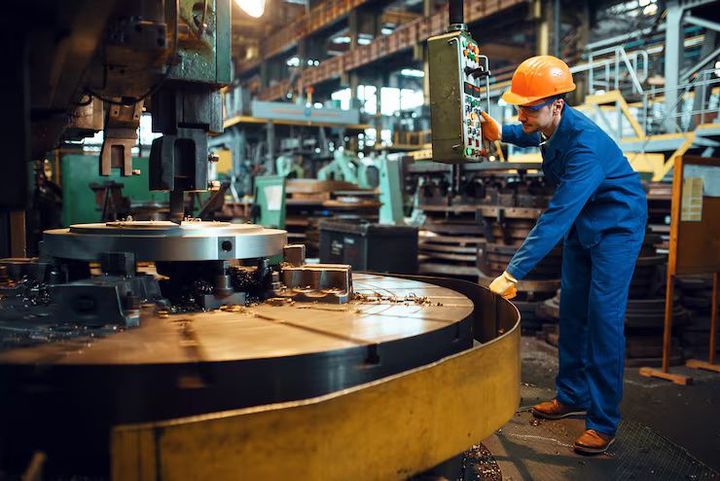
Industrial broaching machines are precision manufacturing systems designed to remove material from a workpiece using a specialized cutting tool called a broach. These machines create highly accurate shapes, grooves, splines, keyways, holes, and other complex profiles that are difficult to produce using conventional machining methods.
Broaching has been an important manufacturing process for decades because it combines speed, consistency, and precision. As industries continue to demand tighter tolerances and higher production efficiency, broaching machines remain an essential part of modern manufacturing facilities.
Unlike several machining processes that require multiple cutting passes, broaching often completes a finished profile in a single pass. This capability reduces production time while maintaining excellent dimensional accuracy and surface quality.
Today, industrial broaching machines are used in automotive manufacturing, aerospace engineering, industrial equipment production, energy components, agricultural machinery, heavy engineering, defense manufacturing, railway equipment, and precision engineering industries. Their ability to manufacture identical parts with minimal variation makes them valuable for high-volume production environments.
Modern broaching technology has also evolved alongside digital manufacturing. Many systems now include automated controls, advanced monitoring, improved tooling materials, and integration with smart factory environments, making the process even more reliable and efficient.
Importance
Industrial broaching machines continue to play a vital role because manufacturers require precision components that meet strict quality standards while maintaining production efficiency.
Several industries depend on broaching technology for producing components with consistent dimensions and reliable performance.
High Precision Manufacturing
Broaching machines produce accurate internal and external profiles with excellent repeatability. This level of precision helps manufacturers maintain consistent product quality.
Improved Production Efficiency
Since broaching often completes machining in one continuous operation, production cycles become shorter compared to multiple machining processes.
Better Surface Finish
The gradual cutting action of the broach produces smooth surfaces, reducing the need for additional finishing operations.
Consistent Product Quality
Every component is manufactured using the same cutting profile, helping reduce dimensional variation across production batches.
Supports Multiple Industries
Industrial broaching machines contribute to manufacturing components for:
- Automotive transmission systems
- Aircraft engine components
- Industrial gear manufacturing
- Hydraulic equipment
- Heavy machinery
- Agricultural equipment
- Industrial automation systems
- Railway components
- Energy sector equipment
Reduces Manufacturing Complexity
Complex internal and external shapes that would otherwise require several machining operations can often be completed through a single broaching process.
Types of Industrial Broaching Machines
Different manufacturing applications require different broaching machine designs.
| Broaching Machine Type | Primary Application | Key Feature |
|---|---|---|
| Horizontal Broaching Machine | Long internal broaching operations | Handles lengthy broaches efficiently |
| Vertical Broaching Machine | Internal and external profiles | Requires less floor space |
| Surface Broaching Machine | Flat surface machining | Produces accurate surface finishes |
| Continuous Broaching Machine | High-volume production | Supports continuous manufacturing |
| Rotary Broaching Machine | Precision hole machining | Suitable for polygonal shapes |
| Pot Broaching Machine | External profile machining | Used for shafts and splines |
| Pull Broaching Machine | Internal broaching | Pulls broach through workpiece |
| Push Broaching Machine | Smaller machining operations | Pushes broach across the component |
Key Features of Modern Industrial Broaching Machines
Manufacturing technology has significantly improved the performance of modern broaching systems.
Important features include:
- Computer-controlled machining operations
- High positional accuracy
- Stable machine construction
- Automatic workpiece positioning
- Tool monitoring capabilities
- Precision guide systems
- Reduced vibration during machining
- Consistent cutting performance
- Compatibility with industrial automation
- Improved operator safety systems
Many advanced systems also include digital monitoring that helps manufacturers observe machine performance, production output, and maintenance schedules.
Applications Across Manufacturing Industries
Industrial broaching machines support a wide variety of manufacturing processes.
Automotive Manufacturing
Broaching creates:
- Gear splines
- Transmission components
- Steering system parts
- Differential components
- Engine parts
Aerospace Industry
Manufacturers use broaching for:
- Turbine components
- Aircraft fittings
- Landing gear parts
- Structural components
Heavy Engineering
Large industrial equipment often includes broached components such as:
- Drive shafts
- Industrial gears
- Couplings
- Mechanical assemblies
Energy Sector
Power generation equipment requires accurately machined components that can withstand demanding operating conditions.
Agricultural Equipment
Modern agricultural machinery contains precision mechanical components manufactured using broaching technology.
Industrial Automation
Automation equipment relies on precision shafts, gears, and drive components that frequently involve broaching operations.
Recent Updates
Industrial broaching technology has continued to evolve throughout 2025 and early 2026 as manufacturers focus on productivity, sustainability, and digital transformation.
Several important developments include:
Greater Manufacturing Automation
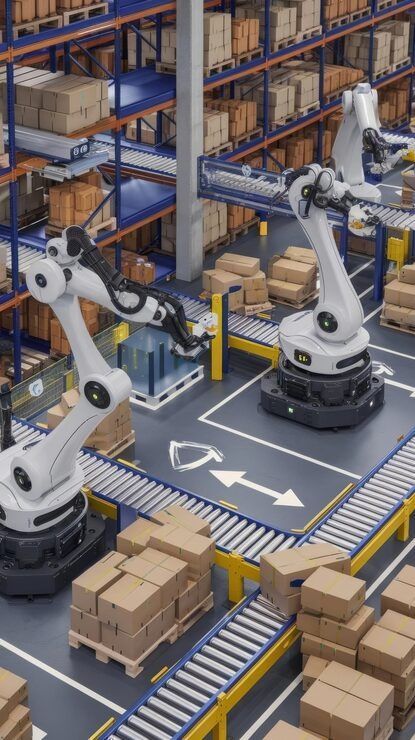
Many production facilities are integrating broaching machines into automated manufacturing cells with robotic loading and unloading systems to improve production consistency.
Smart Factory Integration
Industrial monitoring systems are increasingly collecting machine performance data for predictive maintenance and production planning.
Improved Tool Materials
Advances in carbide materials and specialized coatings have improved tool durability, allowing longer operating cycles before maintenance.
Energy-Efficient Equipment
Machine manufacturers are emphasizing energy-efficient drive systems that reduce overall power consumption while maintaining machining accuracy.
Digital Quality Monitoring
Real-time inspection systems now help manufacturers monitor machining quality during production, reducing component variation.
Flexible Manufacturing
Manufacturers increasingly require machines capable of handling multiple component designs while minimizing production interruptions.
These developments reflect broader Industry 4.0 initiatives that emphasize connected manufacturing, data analysis, and continuous process improvement.
Laws or Policies
Industrial broaching machines operate within manufacturing environments that are influenced by workplace safety regulations, equipment standards, and environmental frameworks. The exact requirements vary by country, but common areas include:
Workplace Safety Regulations
Manufacturing facilities generally follow occupational safety frameworks that require:
- Safe machine guarding
- Emergency stop systems
- Operator training
- Routine equipment inspections
- Risk assessment procedures
Machinery Standards
Industrial machinery is typically expected to comply with nationally recognized engineering and machine safety standards covering design, operation, and maintenance.
Environmental Guidelines
Many countries encourage manufacturers to:
- Improve energy efficiency
- Reduce industrial waste
- Control noise emissions
- Manage metal cutting fluids responsibly
- Support sustainable manufacturing practices
Quality Management
Manufacturers frequently implement internationally recognized quality management systems to improve production consistency and documentation.
Digital Manufacturing Policies
As smart manufacturing expands, many organizations also adopt cybersecurity practices and digital data management guidelines to protect industrial systems.
Following these frameworks helps improve operational safety, manufacturing consistency, and long-term equipment reliability.
Tools and Resources
Several general resources can support learning, planning, and managing industrial broaching operations.
Useful resources include:
- CAD software for component design
- CAM software for manufacturing planning
- Production scheduling templates
- Maintenance planning checklists
- Machine inspection forms
- Engineering calculation tools
- Surface finish calculators
- Manufacturing process planning worksheets
- Industrial safety documentation templates
- Technical training materials
- Quality inspection checklists
- Tool life monitoring systems
These resources assist engineers, manufacturing teams, production planners, quality specialists, and technical learners in understanding and improving machining processes.
Frequently Asked Questions
What is an industrial broaching machine?
An industrial broaching machine is a precision machining system that removes material using a specially designed broach tool to create accurate internal or external profiles in a single continuous operation.
Which industries commonly use broaching machines?
Automotive, aerospace, heavy engineering, industrial machinery, energy, railway, agricultural equipment, and precision manufacturing industries frequently use broaching machines for producing high-accuracy components.
What are the main advantages of broaching?
Broaching provides high precision, excellent surface finish, consistent quality, faster production, and the ability to create complex shapes efficiently.
What is the difference between horizontal and vertical broaching machines?
Horizontal machines are commonly used for longer broaches and larger components, while vertical machines require less floor space and are suitable for many internal and external broaching operations.
How is modern broaching changing manufacturing?
Modern broaching increasingly includes automation, digital monitoring, predictive maintenance, energy-efficient systems, improved tooling materials, and integration with smart manufacturing technologies.
Conclusion
Industrial broaching machines remain an essential part of precision manufacturing because they combine speed, consistency, and dimensional accuracy within a single machining process. Their ability to manufacture complex internal and external profiles efficiently supports numerous industries that depend on reliable, repeatable production.