Complete EDM Machine Overview for Beginners and Manufacturing Professionals
Modern manufacturing increasingly depends on precision machining technologies capable of producing intricate components with exceptional accuracy.
Among these advanced manufacturing methods, EDM machines have become indispensable for industries that require complex geometries, tight tolerances, and machining of hard conductive materials. Unlike traditional cutting processes that rely on physical contact between a tool and a workpiece, Electrical Discharge Machining (EDM) removes material through controlled electrical discharges, enabling manufacturers to create detailed features with minimal mechanical stress.
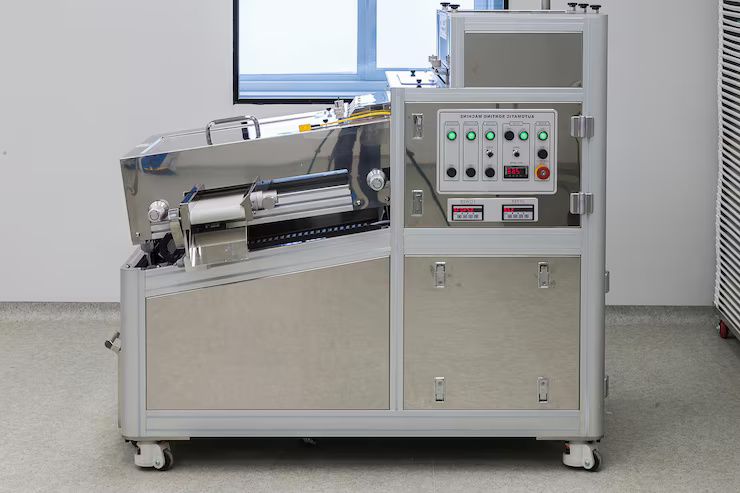
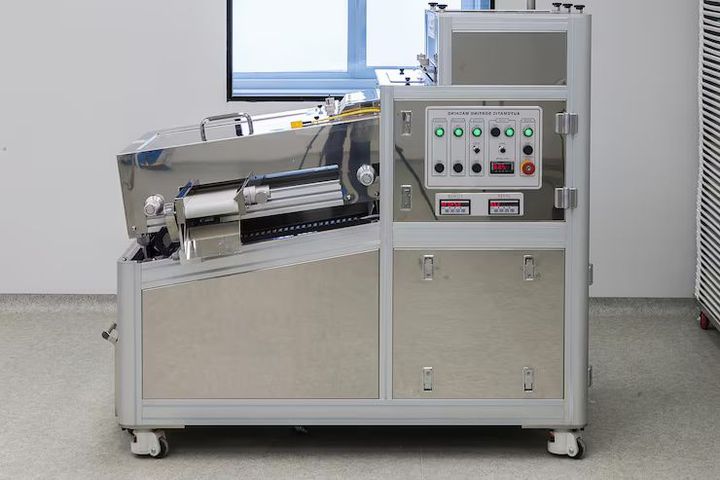
From aerospace and automotive components to medical devices and precision molds, EDM technology supports applications where conventional machining methods may face limitations. Understanding how EDM machines operate helps engineering students, manufacturing professionals, designers, machinists, and beginners appreciate the role of non-traditional machining in modern production. This EDM machine guide explores machine fundamentals, operating principles, major machine types, applications, process advantages, operational considerations, and future trends in precision manufacturing.
This article explains EDM machine basics, working principles, equipment components, machining processes, industrial applications, decision-making considerations, and emerging technological innovations.
What Is an EDM Machine?
An EDM machine (Electrical Discharge Machine) is a precision manufacturing system that removes material from electrically conductive workpieces using controlled electrical sparks instead of mechanical cutting tools.
During machining, the tool electrode and the workpiece remain separated by a small gap filled with a dielectric fluid. Carefully controlled electrical discharges occur across this gap, generating localized heat that removes microscopic amounts of material without direct physical contact.
Because no cutting forces act on the workpiece, EDM is particularly suitable for machining complex shapes, delicate components, and very hard conductive materials.
How an EDM Machine Works
Electrical Discharge Machining operates through a sequence of controlled electrical events.
A power supply generates electrical pulses between the electrode and the conductive workpiece while both remain submerged or flushed with dielectric fluid.
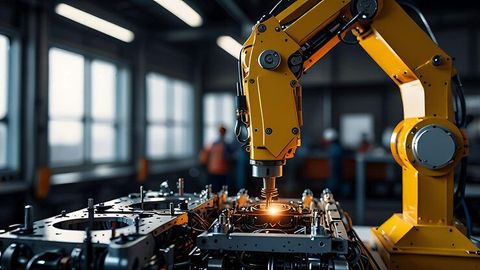
When the gap becomes sufficiently small, a controlled spark occurs, producing extremely high localized temperatures that melt and vaporize tiny portions of the material.
The dielectric fluid cools the machining zone, removes eroded particles, and restores insulating conditions before the next discharge occurs.
Thousands of these electrical discharges take place every second, gradually producing the desired shape with remarkable precision.
Main Components of an EDM Machine
Several integrated systems work together to achieve accurate machining.
Power Supply
The power supply controls the electrical pulses responsible for generating machining sparks while regulating discharge energy and process stability.
Electrode
The electrode acts as the machining tool and is manufactured from conductive materials such as copper, graphite, or copper-tungsten alloys depending on the application.
Dielectric System
The dielectric fluid insulates the machining gap, cools the process, and flushes away eroded material to maintain stable machining conditions.
CNC Control System
Modern EDM machines use computerized numerical control (CNC) systems that precisely regulate electrode movement, machining parameters, and positioning accuracy.
Worktable and Motion System
Precision linear guides and positioning systems enable accurate movement of the workpiece during machining operations.
Common Types of EDM Machines
Different EDM technologies are designed for specific manufacturing requirements.
Wire EDM
Wire EDM uses a continuously moving wire electrode to cut intricate profiles, precision components, dies, and tooling with exceptional dimensional accuracy.
Sinker EDM
Sinker EDM employs a specially shaped electrode to create cavities, molds, dies, and complex internal geometries within conductive materials.
Hole Drilling EDM
Hole drilling EDM produces small, deep, and highly accurate holes that are often difficult to create using conventional drilling methods.
Each type serves different manufacturing applications while sharing the same fundamental electrical discharge principle.
Advantages of EDM Technology
EDM offers several important manufacturing benefits.
The absence of direct cutting forces minimizes mechanical stress on delicate components.
Complex shapes and intricate details can be machined with high precision.
Very hard conductive materials can be machined without requiring extremely hard cutting tools.
Excellent surface finish and dimensional accuracy support demanding engineering applications.
The process is particularly valuable for manufacturing molds, dies, aerospace components, medical devices, and precision tooling.
These advantages have made EDM a widely adopted technology in advanced manufacturing.
Industrial Applications
EDM machines support numerous industries.
Tool and die manufacturers use EDM to produce precision molds, punches, and dies.
Aerospace manufacturers machine turbine components, engine parts, and precision assemblies.
Medical device manufacturers create surgical instruments and specialized implants requiring high accuracy.
Automotive companies produce fuel system components, transmission parts, and precision tooling.
Electronics manufacturers utilize EDM for miniature conductive components with intricate geometries.
Research laboratories and prototype development facilities also depend on EDM technology for specialized engineering projects.
These applications demonstrate the versatility of electrical discharge machining.
Decision Guide: Selecting an EDM Machine
Choosing the best EDM machine depends on workpiece material, required accuracy, production volume, component geometry, machining speed, automation level, CNC capabilities, and manufacturing objectives.
Wire EDM is often preferred for precision profile cutting and intricate external shapes, while sinker EDM is better suited for cavities, molds, and complex internal features. Hole drilling EDM is commonly selected for applications requiring deep, small-diameter holes with high accuracy.
An EDM machine comparison generally evaluates machining precision, electrode type, CNC control features, automation capabilities, dielectric system performance, maintenance requirements, production efficiency, and application suitability.
In many cases, advanced CNC-controlled EDM systems tend to improve productivity because they automate complex machining operations while maintaining consistent dimensional accuracy.
The real difference appears when machine capabilities align with production requirements, material characteristics, and desired manufacturing precision.
Emerging Trends in EDM Technology
EDM technology continues advancing through automation and digital manufacturing.
Artificial intelligence increasingly assists process optimization by automatically adjusting machining parameters based on operating conditions.
Smart monitoring systems provide real-time information on machine performance and maintenance requirements.
High-speed CNC controls continue improving machining efficiency while maintaining exceptional precision.
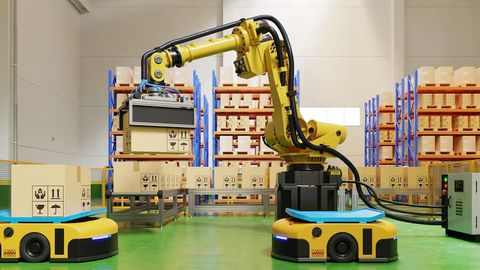
Automation through robotic workpiece handling supports continuous production in advanced manufacturing facilities.
Environmentally improved dielectric systems and energy-efficient power supplies are also contributing to more sustainable manufacturing practices.
These developments continue expanding the capabilities of modern EDM machines.
Frequently Asked Questions
1. What is an EDM machine?
An EDM machine is a precision manufacturing system that removes material from conductive workpieces using controlled electrical discharges instead of traditional cutting tools.
2. How does Electrical Discharge Machining work?
EDM uses electrical sparks generated between an electrode and a conductive workpiece immersed in dielectric fluid to remove small amounts of material.
3. What are the main types of EDM machines?
The primary types are Wire EDM, Sinker EDM, and Hole Drilling EDM.
4. What industries use EDM machines?
EDM machines are widely used in aerospace, automotive, medical device manufacturing, tool and die production, electronics, and precision engineering.
5. What factors should be considered when selecting an EDM machine?
Workpiece material, machining accuracy, component geometry, production requirements, CNC capabilities, automation, maintenance, and application type should all be evaluated.
Conclusion
EDM machines have transformed precision manufacturing by enabling the accurate machining of complex conductive components without direct mechanical cutting. Understanding Electrical Discharge Machining principles, machine types, process advantages, and industrial applications helps both beginners and manufacturing professionals appreciate the value of this advanced production technology. This comprehensive EDM machine guide demonstrates how electrical discharge machining continues supporting innovation across aerospace, automotive, medical, and tooling industries. As automation, CNC systems, and intelligent manufacturing continue evolving, EDM technology will remain a cornerstone of high-precision engineering.