Emery Cloth Guide: Understanding Uses, Types, Grit Sizes, and Common Applications
Emery cloth is a flexible abrasive material used for sanding, smoothing, cleaning, and polishing hard surfaces, particularly metal.
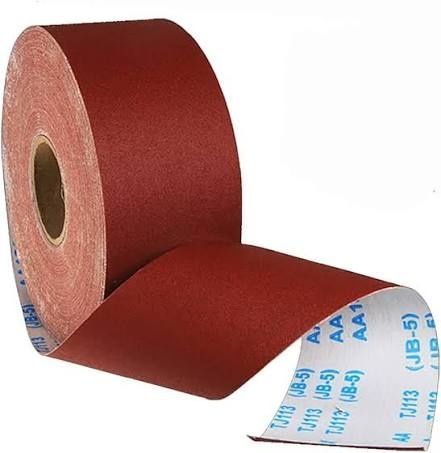
Unlike ordinary sandpaper, it uses a durable cloth backing coated with abrasive particles. This structure allows abrasive emery cloth to bend around curved parts and withstand repeated movement during manual or machine-based finishing.
Traditional emery was a naturally occurring mineral containing corundum and other materials. Modern industrial emery cloth may use manufactured abrasive grains designed for consistent cutting and surface preparation. Common forms include emery cloth rolls, emery cloth sheets, narrow strips, and coated abrasive cloth for different workshop and manufacturing tasks.
Common Types and Forms
Industrial abrasive cloth varies according to backing strength, abrasive grain, bonding method, and intended application. Sanding cloth for metal may be selected for removing oxidation, smoothing weld areas, preparing surfaces, or producing a controlled finish.
| Grit Range | General Surface Effect | Common Applications |
|---|---|---|
| 40–80 | Coarse material removal | Rust removal and rough shaping |
| 100–180 | Medium smoothing | Surface preparation and edge blending |
| 220–400 | Fine finishing | Metal smoothing and preparation |
| 600 and above | Very fine finishing | Polishing and precision surface finishing |
Lower grit numbers contain larger abrasive particles and remove material more aggressively. Higher grit numbers create finer surface patterns and are commonly used during later finishing stages.
Importance
Emery cloth matters because metal surfaces often require preparation before coating, assembly, repair, or final finishing. Rough edges, oxidation, scratches, and surface contamination can affect appearance and how components fit together.
Industrial sanding materials are used by metalworkers, maintenance teams, fabricators, automotive workshops, and people completing small repair tasks. Metal polishing cloth can also help refine visible surfaces when a controlled abrasive action is required.
Why Cloth Backing Is Useful
Cloth backing provides flexibility and resistance to tearing. This makes abrasive rolls for metal suitable for pipes, shafts, curved components, corners, and irregular shapes where rigid abrasive paper may be difficult to use.
Heavy duty abrasive cloth is commonly associated with demanding surface preparation, while finer grades support precision surface finishing. Selecting the correct grit helps reduce unnecessary material removal and creates a more predictable finish.
Recent Updates
From 2024–2026, the general trend in abrasive technology has focused on more consistent grain distribution, improved backing materials, longer usable abrasive life, and better control during automated finishing. Manufacturing environments are also placing greater attention on dust management and worker exposure during sanding and grinding activities.
Another trend is the wider use of application-specific surface finishing abrasives. Rather than relying on one abrasive grade for every stage, users increasingly apply a sequence of coarse, medium, and fine grits. Industrial emery cloth and other coated abrasives are also being adapted for hand tools, powered equipment, and automated production systems.
Laws or Policies
In India, workplace use of industrial abrasive cloth is influenced by occupational safety requirements, factory rules, and environmental controls. Abrasive work can create airborne particles, sparks, noise, and debris, depending on the material and equipment involved.
Workplaces generally need to assess hazards associated with sanding and finishing activities. Relevant controls may include ventilation, machine guarding, eye protection, respiratory protection where required, and safe handling procedures.
Key Safety Considerations
- Dust should be controlled through suitable ventilation or extraction methods.
- Eye and face protection may be necessary when particles can become airborne.
- Powered abrasive equipment should have appropriate guards and operating controls.
- Used abrasive materials should be handled according to workplace and local waste requirements.
Specific requirements can vary by industry, workplace conditions, and the material being processed.
Tools and Resources
Several practical resources can help users understand abrasive selection and surface finishing. Grit comparison charts explain the relationship between coarse and fine abrasive grades, while surface roughness charts help compare expected finishing levels.
Technical data sheets from abrasive cloth manufacturers may provide information about backing type, grain material, grit designation, and suitable applications. Workplace safety guidance, equipment manuals, and material safety information can also support proper handling.
Useful resources include:
- Grit conversion and comparison charts
- Surface roughness reference tables
- Equipment operating manuals
- Workplace risk assessment templates
- Technical specifications for coated abrasive cloth
- Safety guidance for dust and particle exposure
FAQs
What is emery cloth mainly used for?
Emery cloth is mainly used for sanding, cleaning, smoothing, and polishing metal surfaces. It can remove rust, minor surface marks, oxidation, and rough areas before further finishing.
Which grit of emery cloth for stainless steel is commonly used?
The appropriate grit depends on the required finish. Coarser grits remove heavier marks, while medium and fine grits are used for smoothing and refining stainless steel surfaces.
What is the difference between emery cloth sheets and emery cloth rolls?
Emery cloth sheets are pre-cut into fixed sizes, while emery cloth rolls can be cut into lengths suited to a particular task. Rolls are often useful for long components, curved surfaces, and repeated workshop use.
Is industrial emery cloth suitable for precision surface finishing?
Yes, finer abrasive grades can support precision surface finishing when used with controlled pressure and a suitable sanding sequence. The final result also depends on the metal type and previous surface condition.
How are abrasive rolls for metal selected?
Selection generally depends on the metal, surface condition, backing strength, grit size, and desired finish. Coarse abrasives remove material faster, while finer abrasives create smoother surface patterns.
Conclusion
Emery cloth is a flexible abrasive material used across metal preparation, cleaning, smoothing, and polishing applications. Its cloth backing makes it suitable for flat, curved, and irregular surfaces. Understanding grit sizes, backing types, safety considerations, and application requirements helps explain how industrial sanding materials are used in modern surface finishing.