Plate Compactor Overview: Key Features, Uses, and Practical Applications
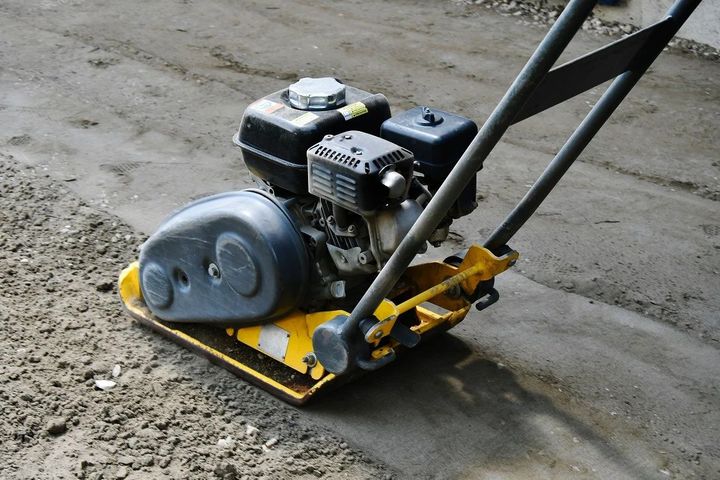
A plate compactor is a machine designed to compress soil, gravel, sand, asphalt, and similar materials.
A plate compactor machine uses a vibrating metal plate to apply repeated force to the ground, helping reduce air pockets and improve material density. This process supports stronger foundations for roads, sidewalks, driveways, and other structures.
Modern construction projects often use different types of compaction equipment depending on the material and working conditions. A vibratory plate compactor is common for compacting granular materials such as sand and gravel, while a reversible plate compactor is suitable for larger work areas where forward and backward movement improves efficiency. A hydraulic plate compactor is frequently attached to excavators for specialized applications, especially where access is limited. These machines are part of a broader category that includes soil compactor machine models, trench compactor machine equipment, and other earth compaction equipment used in construction.
Context
Understanding How Plate Compactors Work
A plate compactor works by combining the weight of a steel plate with rapid vibrations generated by an engine or hydraulic system. As the plate moves across the surface, the vibrations force loose particles closer together, increasing stability and reducing future settlement.
Compaction is an essential step before paving roads, laying foundations, installing utility lines, or preparing landscaping features. Without proper compaction, the ground may shift over time, creating uneven surfaces or structural concerns.
Common Materials Used with Plate Compactors
Different materials respond differently during compaction. The appropriate plate compactor machine depends on the characteristics of the material being compacted.
| Material | Typical Compaction Equipment | Common Application |
|---|---|---|
| Sand | Vibratory plate compactor | Pavements, walkways |
| Gravel | Heavy duty plate compactor | Roads, parking areas |
| Crushed stone | Reversible plate compactor | Industrial construction |
| Asphalt | Plate compactor | Road maintenance |
| Mixed soil | Soil compactor machine | Building foundations |
| Narrow trenches | Trench compactor machine | Utility installation |
Main Types of Plate Compactors
Several machine designs are available for different construction environments.
- Forward plate compactor – Moves in one direction and is commonly used for smaller construction and landscaping tasks.
- Reversible plate compactor – Travels forward and backward, making it suitable for larger compacted surfaces.
- Hydraulic plate compactor – Operates through hydraulic power and is commonly mounted on excavators.
- Heavy duty plate compactor – Designed for thicker material layers and demanding construction environments.
- Commercial plate compactor – Frequently used for routine construction and infrastructure projects requiring repeated operation.
Importance
Why Ground Compaction Matters
Ground compaction helps improve the strength and stability of construction surfaces. Properly compacted soil reduces the chance of uneven settling after structures are completed.
Roads, sidewalks, retaining walls, patios, parking areas, and building foundations all depend on stable ground conditions. Construction compaction equipment helps create these stable surfaces before additional work begins.
Supporting Infrastructure Development
Many public infrastructure projects rely on earth compaction equipment during preparation stages. Roads, bridges, airports, rail systems, drainage networks, and utility corridors all require properly compacted materials before construction continues.
Road construction equipment often includes plate compactors because they are suitable for compacting smaller areas that larger rollers cannot easily reach.
Improving Safety and Durability
Proper compaction contributes to longer-lasting construction by reducing movement beneath finished surfaces. Stable ground can help decrease cracking, shifting, and erosion that sometimes occur when loose material remains beneath structures.
Construction teams also use trench compactor machine equipment when installing underground pipelines and utility systems. Compacting soil around trenches helps restore ground stability after excavation.
Recent Updates
Improved Engine Technologies
Manufacturers continue to develop plate compactor machine models with improved fuel efficiency and lower emissions. Many newer machines are designed to comply with changing environmental standards while maintaining consistent compaction performance.
Some regions are also seeing increased use of battery-powered compactors for projects where lower noise levels are desirable.
Digital Monitoring Features
Modern construction compaction equipment increasingly includes digital monitoring systems that provide operators with useful information during operation.
Common monitoring features include:
- Engine performance indicators
- Maintenance reminders
- Operating hour tracking
- Fuel usage information
- Machine diagnostics
These features help simplify routine equipment management without changing the basic compaction process.
Growing Use of Hydraulic Attachments
Hydraulic plate compactor attachments have become more common on excavators used in utility installation, slope stabilization, and confined work areas.
Because these attachments can reach locations where manually operated equipment is difficult to position, they are increasingly used for specialized construction activities.
Focus on Operator Comfort
Equipment manufacturers continue refining machine design by reducing vibration transferred to operator handles and improving overall ergonomics.
Comfort improvements may include:
- Better vibration isolation
- Adjustable handles
- Easier transportation wheels
- Simplified control layouts
- Improved balance during operation
These changes aim to improve usability during extended construction activities.
Laws or Policies
Construction Safety Requirements
Most countries regulate construction equipment through workplace safety rules. Operators are generally expected to follow equipment instructions, wear appropriate protective equipment, and maintain safe operating distances.
Construction sites may also require inspections before machinery begins operation, depending on local regulations.
Environmental Standards
Many governments establish emission standards for engines used in construction equipment. Manufacturers design newer plate compactor machine models to comply with applicable environmental requirements.
Noise regulations may also apply, particularly in residential or urban construction areas where equipment operation is limited during certain hours.
Equipment Maintenance Requirements
Construction companies often maintain inspection records for machinery used on active projects. Routine maintenance helps ensure equipment continues operating according to manufacturer specifications.
Heavy equipment dealers may also provide maintenance documentation and replacement parts information to support equipment ownership throughout its operating life.
Infrastructure Project Standards
Government-funded infrastructure projects commonly specify required compaction levels before construction progresses to later stages.
Testing methods may include:
- Soil density testing
- Moisture measurement
- Surface stability evaluation
- Layer thickness verification
These procedures help confirm that compacted materials meet project specifications.
Tools and Resources
Several digital resources help individuals understand plate compactor equipment and construction planning.
Equipment Documentation
Manufacturers commonly publish operator manuals that explain:
- Safe operation
- Maintenance schedules
- Engine specifications
- Compaction guidelines
- Storage procedures
These manuals are useful references for understanding machine capabilities.
Engineering Calculators
Construction planning often involves calculators for estimating:
- Soil volume
- Material quantities
- Compaction layer thickness
- Project dimensions
- Earthwork measurements
These tools assist with project planning before construction begins.
Mapping and Planning Platforms
Digital mapping software helps engineers and planners organize construction layouts before field work starts.
Common planning functions include:
- Site measurements
- Terrain evaluation
- Utility mapping
- Project scheduling
- Material estimation
Industry Standards and Technical Documents
Construction organizations publish technical documents describing accepted compaction practices, equipment classifications, and testing procedures.
These references help explain how different types of construction compaction equipment are selected for specific conditions.
FAQs
What is a plate compactor used for?
A plate compactor is used to compress soil, gravel, sand, crushed stone, and asphalt before construction work. The machine increases material density, helping create stable surfaces for roads, foundations, pathways, and landscaping projects.
What is the difference between a vibratory plate compactor and a reversible plate compactor?
A vibratory plate compactor generally moves in one direction and is suitable for many standard compaction tasks. A reversible plate compactor can travel both forward and backward, making it practical for larger construction areas where repeated directional changes improve workflow.
When is a hydraulic plate compactor commonly used?
A hydraulic plate compactor is often attached to excavators for compacting areas that are difficult to access with manually operated equipment. It is commonly used around slopes, trenches, retaining structures, and utility installations.
How is a soil compactor machine different from other earth compaction equipment?
A soil compactor machine is a broad category that includes several types of equipment designed for different ground conditions. Plate compactors are one type, while rollers, trench compactor machine models, and other earth compaction equipment are selected according to project size and material type.
Why do heavy equipment dealers include different types of plate compactor machine models?
Different construction projects require different compaction methods. Heavy equipment dealers typically provide various machine sizes and configurations so that contractors can match equipment with specific ground conditions, working space, and project requirements.
Conclusion
Plate compactor equipment plays an important role in preparing stable surfaces for construction, landscaping, and infrastructure projects. Different machine designs, including vibratory plate compactor, reversible plate compactor, hydraulic plate compactor, and heavy duty plate compactor models, are used according to material type and project requirements. Ongoing improvements in engine technology, monitoring systems, and operator comfort continue to shape modern construction compaction equipment. Understanding the purpose, operation, and practical applications of these machines helps explain their importance across many types of construction work.