Construction Heavy Materials Overview for Modern Building and Infrastructure Projects
Construction heavy materials are the large-volume, high-strength materials used to create buildings, roads, bridges, factories, drainage networks, and other major structures.
They developed alongside advances in engineering, transportation, manufacturing, and urban growth. Common examples include concrete, steel, aggregates, asphalt, masonry units, and precast structural components.
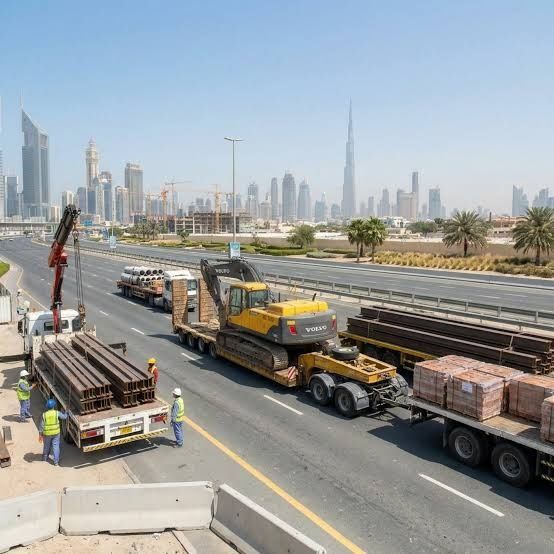
Modern projects often require commercial construction materials and heavy construction materials that can support substantial loads and withstand environmental exposure. Bulk construction materials such as sand, gravel, crushed stone, and cement-based mixtures are commonly transported in large quantities to construction locations.
Main Categories of Heavy Materials
Concrete building materials are widely used for foundations, columns, floors, retaining walls, and bridges. Precast concrete materials are manufactured in controlled environments before being transported to the construction location. Industrial building materials may also include structural steel, reinforced concrete, insulation, roofing components, and specialized composites.
| Material Category | Common Applications | Main Characteristics |
|---|---|---|
| Concrete | Foundations, floors, bridges | High compressive strength |
| Structural steel | Frames, industrial structures | Strong and adaptable |
| Aggregates | Concrete, drainage, road bases | Provides volume and stability |
| Asphalt | Roads and paved areas | Flexible surface material |
| Precast concrete | Beams, panels, drainage units | Factory-controlled production |
Importance
Construction heavy materials influence the strength, durability, safety, and useful life of built environments. They affect people who use homes, workplaces, roads, public transport systems, hospitals, schools, and utility networks.
Infrastructure construction materials must perform under traffic loads, changing weather, moisture, vibration, and long-term use. Road construction materials, for example, help create stable layers that support vehicles and reduce surface deformation. In industrial environments, industrial construction products must often handle heavy machinery, temperature changes, and continuous operational activity.
Material selection also affects construction planning. Different materials require specific storage conditions, handling methods, equipment, and installation processes. Construction equipment and materials must therefore be coordinated so that cranes, mixers, transport vehicles, lifting systems, and storage areas match project requirements.
Construction material procurement is another important part of project planning. It involves identifying required quantities, checking technical specifications, arranging delivery schedules, and verifying material documentation. Poor coordination can create delays, excess storage, or material damage.
Recent Updates
Current Trends from 2024–2026
The construction sector has increasingly focused on material efficiency, lower environmental impact, digital tracking, and improved manufacturing control. Concrete producers are exploring mixtures that use supplementary materials to reduce dependence on traditional cement content while maintaining required performance.
Precast concrete materials are also receiving greater attention in large building and infrastructure projects. Controlled production can improve dimensional consistency and simplify on-site assembly when project planning is accurate.
Other general trends include:
- Increased use of recycled aggregates in suitable applications
- Digital tracking of bulk construction materials
- Greater attention to material traceability and documentation
- Development of lower-carbon concrete mixtures
- Wider use of modular and prefabricated structural components
- Improved monitoring of material delivery and storage
Digital platforms are also changing construction material procurement. Project teams can use centralized systems to track quantities, specifications, approvals, delivery records, and inspection information.
Laws or Policies
Construction Material Rules in India
In India, construction materials are shaped by building codes, national standards, environmental requirements, and local development rules. The National Building Code of India provides broad guidance for building planning, structural safety, fire protection, materials, and construction practices.
The Bureau of Indian Standards publishes technical standards for cement, concrete, steel, aggregates, masonry products, and other industrial building materials. These standards define areas such as material properties, testing methods, dimensions, and performance requirements.
Road construction materials may also be governed by specifications used by national and state road authorities. Environmental rules can affect quarrying, mining, waste handling, dust control, and the use of recycled construction material.
Project requirements vary according to structure type, location, local authority rules, and intended use. Material specifications are generally reviewed alongside engineering drawings, applicable codes, and required testing procedures.
Tools and Resources
Several tools can help people understand and organize information about construction heavy materials. Quantity calculators can estimate concrete volume, aggregate requirements, and material quantities based on project dimensions.
Useful resources include:
- Concrete volume calculators for slabs, columns, and foundations
- Material quantity spreadsheets for tracking planned and delivered amounts
- Building Information Modeling platforms for coordinating materials and structures
- Digital inventory systems for monitoring bulk construction materials
- Bureau of Indian Standards documents for technical specifications
- National Building Code references for general construction requirements
- Project management platforms for schedules, records, and material documentation
These resources support planning and information management, but technical decisions should remain aligned with applicable project documents and qualified engineering review.
FAQs
What are construction heavy materials?
Construction heavy materials are high-volume or high-strength materials used in buildings and infrastructure. Common examples include concrete, steel, aggregates, asphalt, masonry units, and precast components.
What are common commercial construction materials?
Commercial construction materials commonly include reinforced concrete, structural steel, glass, masonry, insulation, roofing systems, and interior building components. The exact selection depends on structural design and building use.
How are precast concrete materials different from regular concrete?
Precast concrete materials are formed and cured in a controlled production environment before transportation and installation. Regular cast-in-place concrete is mixed or delivered and placed directly at the construction location.
What materials are commonly used for road construction?
Road construction materials often include aggregates, crushed stone, asphalt mixtures, concrete, soil stabilization materials, and drainage components. Different layers perform different structural and drainage functions.
What is involved in construction material procurement?
Construction material procurement includes identifying specifications, estimating quantities, reviewing documentation, coordinating delivery, and tracking material receipt. It helps align material availability with the construction schedule.
Conclusion
Construction heavy materials form the physical foundation of modern buildings and infrastructure systems. Concrete, steel, aggregates, asphalt, and precast components each have distinct roles based on structural and environmental requirements. Current trends emphasize material efficiency, digital tracking, prefabrication, and lower environmental impact. Regulations, technical standards, planning tools, and accurate documentation help shape how these materials are selected and managed.