Complete Guide to Sound Systems for Homes, Events, and Offices
Sound systems play an important role in daily life. They are used for listening to music, watching movies, attending public events, participating in meetings, enjoying outdoor activities, and many other situations. From small portable speakers to large event audio setups, sound systems are designed to reproduce audio clearly and consistently.
Although many people use sound systems regularly, they may not fully understand how different components work together or how to choose the right setup for different environments. Learning the basics can help people make informed decisions and better understand audio technology.
This guide explains the main parts of a sound system, common types, important features, practical applications, maintenance tips, and factors to consider when selecting an appropriate setup.
What Is a Sound System?
A sound system is a combination of audio equipment that captures, processes, amplifies, and reproduces sound. Depending on its purpose, a sound system may include only a few components or a complete collection of interconnected devices.
Some systems are designed for personal entertainment, while others are built for classrooms, conference rooms, theaters, stadiums, or outdoor events. Despite these differences, the primary objective remains the same: delivering clear and balanced audio.
Main Components of a Sound System
Understanding the basic parts helps explain how audio travels from its source to the listener.
Audio Source
Every sound system begins with an audio source. This may include:
- Smartphones
- Computers
- Music players
- Television sets
- Streaming devices
- Musical instruments
- Microphones
The source provides the original audio signal.
Mixer
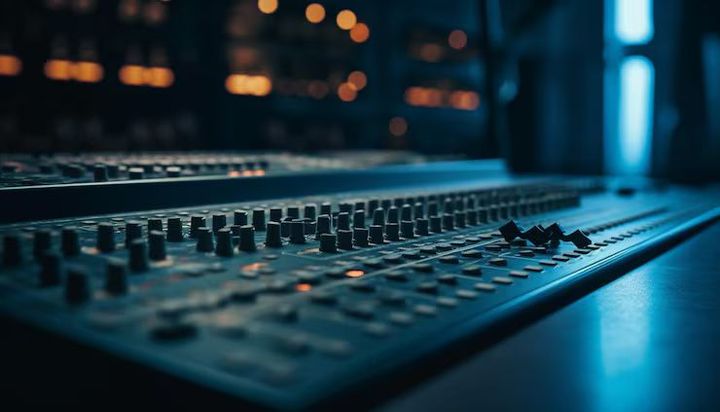
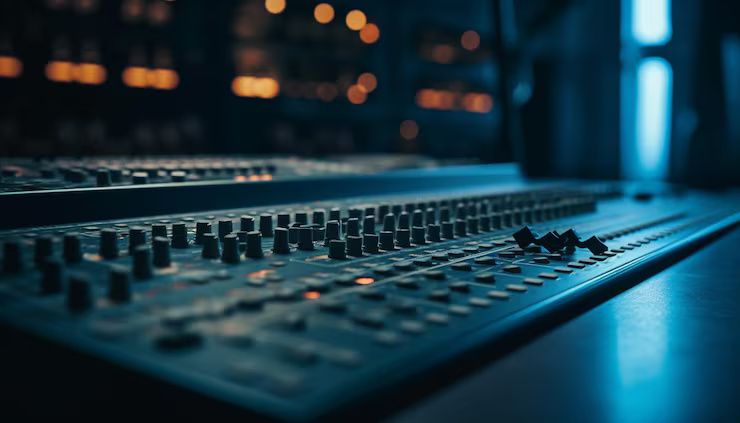
A mixer combines multiple audio inputs into a single output. It allows users to adjust volume levels, balance, and other sound settings.
Mixers are commonly used during:
- Live performances
- Conferences
- Public speaking
- Educational presentations
- Recording sessions
Amplifier
An amplifier increases the strength of the audio signal before it reaches the speakers. Without amplification, many speakers cannot produce sound at suitable listening levels.
Some modern speakers include built-in amplifiers, while others require separate external units.
Speakers
Speakers convert electrical signals into sound waves.
Different speaker sizes and designs reproduce different frequency ranges, helping create balanced audio across low, mid, and high tones.
Cables and Connectors
Audio cables connect all components.
Common connection types include:
- HDMI
- USB
- XLR
- RCA
- Optical cables
- 3.5 mm audio connectors
Wireless technologies such as Bluetooth and Wi-Fi have also become common in many modern sound systems.
Types of Sound Systems
Different environments require different audio solutions.
Home Audio Systems
Home sound systems are designed for everyday entertainment.
These setups commonly include:
- Speakers
- Soundbars
- Subwoofers
- Wireless speakers
- Home theater components
They are commonly used for movies, television programs, music, and gaming.
Portable Sound Systems
Portable systems are lightweight and easy to move.
Many include rechargeable batteries and wireless connectivity, making them suitable for:
- Outdoor gatherings
- Travel
- Picnics
- Small presentations
- Recreational activities
Professional Event Systems
Large venues often require more powerful sound systems.
These systems may include:
- Multiple speakers
- Audio mixers
- Power amplifiers
- Microphones
- Stage monitors
- Signal processors
They are commonly found at concerts, conferences, festivals, and public events.
Public Address Systems
Public Address (PA) systems are designed to distribute speech and announcements across larger areas.
They are frequently used in:
- Schools
- Airports
- Shopping centers
- Stadiums
- Community halls
- Religious buildings
Conference Room Systems
Meeting rooms often use specialized sound systems that focus on speech clarity.
These systems may include:
- Ceiling speakers
- Wireless microphones
- Video conferencing equipment
- Digital audio processors
Understanding Speaker Types
Different speakers handle different parts of the audio spectrum.
Woofer
Woofers reproduce low-frequency sounds, including bass.
Tweeter
Tweeters reproduce high-frequency sounds, making vocals and instruments sound clearer.
Midrange Speaker
Midrange speakers handle frequencies between bass and treble.
Subwoofer
Subwoofers focus on very low frequencies and create a deeper bass response.
Many home theater systems include a dedicated subwoofer for movies and music.
Wired and Wireless Sound Systems
Modern sound systems generally use either wired or wireless connections.
Wired Systems
Advantages include:
- Stable audio transmission
- Minimal signal interruption
- Consistent performance
- Suitable for permanent installations
Wireless Systems
Wireless technology allows flexible placement without long cables.
Common wireless options include:
- Bluetooth
- Wi-Fi
- Multi-room audio technology
These systems are popular in homes where convenience is important.
Features Commonly Found in Modern Sound Systems
Many newer sound systems include features that improve usability.
Examples include:
- Bluetooth connectivity
- Voice assistant compatibility
- Mobile application control
- Equalizer adjustments
- Surround sound processing
- Multi-room playback
- USB playback
- Memory presets
- Remote control functions
- HDMI Audio Return Channel (ARC)
Not every system includes all of these features, so users should compare available functions based on their intended use.
Common Applications
Sound systems support many everyday activities.
Home Entertainment
Families use sound systems for:
- Watching films
- Streaming television
- Listening to music
- Gaming
Education
Schools and universities use sound systems during:
- Classroom presentations
- Assemblies
- Lectures
- Graduation ceremonies
Business Meetings
Meeting rooms depend on clear audio during:
- Video conferences
- Presentations
- Training sessions
- Team discussions
Community Events
Community organizations use sound systems for:
- Cultural programs
- Public announcements
- Indoor gatherings
- Outdoor celebrations
Live Performances
Musicians, performers, and speakers depend on reliable audio equipment during events with larger audiences.
Factors to Consider When Choosing a Sound System
Different situations require different equipment.
Useful considerations include:
- Room size
- Indoor or outdoor use
- Number of listeners
- Audio source compatibility
- Wired or wireless preference
- Speaker placement
- Expandability
- Portability
- Available connection options
- Ease of operation
Thinking about these factors helps match the system to its intended environment.
Basic Maintenance Tips
Routine maintenance can help keep a sound system operating smoothly over time.
Helpful practices include:
- Keep speakers clean using a soft cloth.
- Protect equipment from excessive moisture.
- Avoid placing speakers near strong heat sources.
- Store portable equipment carefully when not in use.
- Inspect cables regularly for wear.
- Keep ventilation openings unobstructed.
- Disconnect equipment safely before moving components.
- Update firmware when applicable.
Simple care habits can contribute to reliable performance throughout the equipment's lifespan.
Future Trends in Sound Systems
Audio technology continues to evolve.
Current developments include:
- Wireless multi-room audio
- Voice-controlled operation
- Smart home integration
- Improved digital signal processing
- Compact speaker designs
- Energy-efficient components
- Higher-resolution audio playback
As technology advances, sound systems continue to become easier to use while supporting a wider range of everyday applications.
Conclusion
Sound systems have become an essential part of modern homes, workplaces, educational institutions, and public spaces. Whether designed for personal listening, presentations, entertainment, or community events, each system combines several components to reproduce audio clearly and effectively.
Understanding the different types of sound systems, their components, speaker configurations, connectivity options, and maintenance practices makes it easier to identify a setup that suits specific environments. With ongoing improvements in wireless connectivity, smart features, and digital audio technology, sound systems continue to support communication and entertainment in practical and accessible ways.