Computer Vision for Industrial Robots: A Simple Guide to Smart Automation and Visual Systems
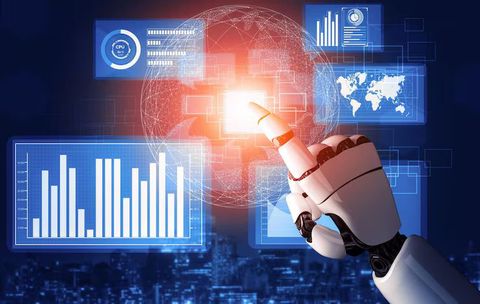
Computer vision is a field of artificial intelligence that allows machines to interpret and understand visual information from the physical world. When used in industrial robots, computer vision enables machines to observe objects, identify patterns, analyze images, and make decisions based on visual data.
Industrial robots equipped with computer vision systems use cameras, sensors, and advanced algorithms to perform tasks that traditionally required human eyesight. These systems capture images of products, parts, or environments and process them using machine learning and image processing techniques. This allows robots to interpret visual data and make informed decisions.
In manufacturing environments, computer vision enables robots to detect objects, guide assembly operations, inspect products, and monitor production processes. Unlike traditional robots that follow fixed programming, vision-enabled robots can adapt to variations in position, shape, and orientation.
Key Components of Machine Vision Systems
Modern machine vision systems include several essential components that work together to enable visual perception:
- High-resolution cameras
- Lighting systems for image clarity
- Image processing software
- Artificial intelligence models
- Industrial computing hardware
These components allow robots to “see” and interpret their surroundings, improving both efficiency and precision in automation.
Why Computer Vision for Industrial Robots Matters Today
Automation plays a critical role in modern manufacturing and industrial operations. As industries move toward smart manufacturing, computer vision has become essential for enabling flexible and intelligent robotic systems.
Traditional robots were limited to structured environments and fixed instructions. Even minor variations could disrupt operations. Computer vision eliminates this limitation by allowing real-time detection and adaptive responses.
Industries Benefiting from Robotic Vision
- Automotive manufacturing
- Electronics assembly
- Pharmaceutical packaging
- Food and beverage processing
- Logistics and warehouse automation
Key Operational Advantages
Improving Quality Inspection
Vision systems can detect defects such as scratches, missing components, incorrect labels, and assembly errors. This improves consistency and reduces reliance on manual inspection.
Increasing Productivity
Robots with vision can operate continuously and perform tasks like picking, sorting, and assembly with high speed and accuracy.
Enhancing Workplace Safety
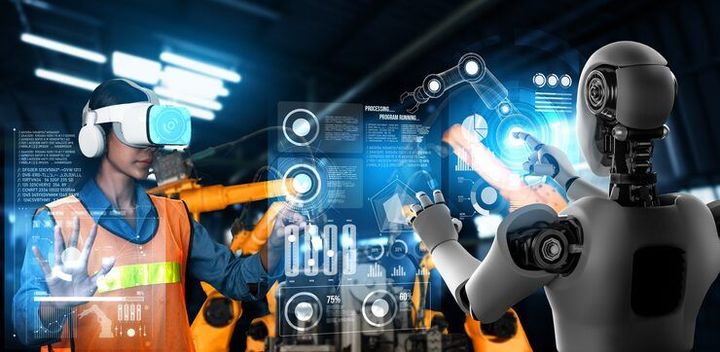
Vision-enabled robots can detect obstacles and monitor human presence. This supports safer collaboration between humans and machines.
Recent Developments in Robotic Vision Technology
Advancements in artificial intelligence and computing have significantly improved robotic vision systems between 2024 and 2026. These innovations are expanding the capabilities of industrial robots.
Expansion of AI-Based Vision Models
Deep learning algorithms are now widely used in machine vision systems. These models can identify complex patterns, detect subtle defects, and classify objects with high accuracy.
Edge Computing for Real-Time Processing
Edge computing devices process visual data directly on production lines. This reduces latency and allows robots to respond almost instantly to visual inputs.
3D Vision and Depth Sensing
Modern systems combine 2D cameras with 3D sensors to understand depth and spatial relationships. This is especially useful in applications like robotic picking and bin-picking.
Collaborative Robots with Vision
Collaborative robots (cobots) increasingly use integrated vision systems. These systems help detect movement, monitor workspaces, and guide precise operations near human workers.
AI Quality Inspection Systems
AI-powered inspection tools can learn from large datasets of product images. They can identify subtle defects that are difficult for human inspectors to detect.
Common Vision Technologies in Robotics
| Vision Technology | Typical Application | Key Advantage |
|---|---|---|
| 2D Machine Vision | Object detection, inspection | High-speed processing |
| 3D Vision Sensors | Bin picking, robotic guidance | Depth perception |
| Deep Learning Vision | Defect detection | High accuracy |
| Edge Vision Processing | Real-time automation | Low latency |
| Multispectral Imaging | Material inspection | Detects hidden defects |
Regulations, Standards, and Industrial Policies
Computer vision in industrial robotics operates under global safety standards and regulatory frameworks. These ensure safe deployment and reliable operation in industrial environments.
Industrial Robot Safety Standards
Key international standards define safety requirements for robotic systems:
- ISO 10218 – Safety requirements for industrial robots
- ISO/TS 15066 – Collaborative robot safety guidelines
- IEC 61508 – Functional safety for electronic systems
Data and AI Governance
Governments are introducing policies to regulate AI usage and data handling. These policies emphasize transparency, data protection, and responsible deployment of AI in industrial systems.
Smart Manufacturing Initiatives
Many countries promote advanced manufacturing through national programs. These initiatives support robotics, automation, and digital transformation.
Examples include:
- Industry 4.0 initiatives
- Digital manufacturing programs
- National robotics strategies
Tools and Resources for Computer Vision in Robotics
A wide range of tools supports the development and deployment of computer vision systems in industrial robotics. These tools are used by engineers, researchers, and students.
Computer Vision Software Frameworks
- OpenCV image processing library
- TensorFlow computer vision models
- PyTorch deep learning framework
Machine Vision Development Tools
- Vision system configuration software
- Camera calibration tools
- AI training platforms for defect detection
Simulation and Robotics Development Platforms
- Robot simulation environments
- Digital twin software
- Robotics development toolkits
Industrial Learning Resources
- Robotics training programs
- Manufacturing automation courses
- Engineering research publications
Key Capabilities of Vision Software
| Capability | Description |
|---|---|
| Image Recognition | Identifies objects and patterns |
| Defect Detection | Finds manufacturing defects |
| Optical Character Recognition | Reads labels and codes |
| Object Tracking | Monitors movement in real time |
| Robotic Guidance | Helps position tools accurately |
Frequently Asked Questions
What is computer vision in industrial robotics?
Computer vision in industrial robotics allows machines to capture and analyze visual data. Robots use this information to identify objects, inspect products, and guide their actions.
How do robots use cameras in manufacturing?
Robots capture images of products or workspaces using cameras. Software then processes these images to detect objects, measure positions, and identify defects.
What industries use robotic vision systems?
These systems are widely used in:
- Automotive manufacturing
- Electronics assembly
- Logistics and warehousing
- Pharmaceutical packaging
- Food processing
What is the difference between machine vision and computer vision?
- Machine vision focuses on industrial inspection systems
- Computer vision is a broader AI field involving pattern recognition and data analysis
Can computer vision improve product quality?
Yes. Vision systems can detect defects such as scratches, missing parts, alignment issues, and labeling errors. This ensures consistent quality across production lines.
Conclusion
Computer vision has become a fundamental technology in industrial robotics. It enables robots to interpret visual information and perform complex tasks such as inspection, sorting, and assembly guidance.
The integration of artificial intelligence, machine learning, and advanced sensors has significantly expanded robotic capabilities. Industries are adopting these systems to improve efficiency, maintain quality, and support automation.
Recent advancements in deep learning, 3D vision, and edge computing continue to enhance performance. At the same time, global standards and policies ensure safe and responsible implementation.
As smart manufacturing evolves, computer vision will remain a critical component of advanced robotics, helping machines better understand and interact with the physical world.