Construction Equipment Explained: Types, Components, Applications, Capacity, Safety Features, Benefits and Selection Considerations
Construction equipment refers to machines and mechanical systems used to perform tasks such as excavation, lifting, grading, loading, drilling, transportation, compaction, and material handling. Construction equipment has developed alongside modern building methods, allowing large quantities of soil, concrete, aggregate, and other materials to be handled more systematically.
Early construction activities relied heavily on manual labor and basic tools. As projects became larger and more complex, powered machinery became increasingly important. Machines such as excavators, loaders, cranes, bulldozers, graders, rollers, and concrete equipment are now commonly associated with construction sites.
A construction equipment guide helps explain the main machine categories, their components, applications, capacity ratings, safety features, and factors that influence equipment selection. Understanding these characteristics is useful for construction workers, site supervisors, engineers, students, and people seeking general knowledge about construction machinery.
How Construction Equipment Is Classified
Construction equipment can be classified according to its primary function. Earthmoving machines are designed to excavate, move, or grade soil, while lifting equipment handles materials vertically or horizontally. Material-handling machines transport loads around a site, and compaction equipment applies controlled pressure or vibration to improve ground density.
Common categories include:
- Excavation equipment
- Earthmoving equipment
- Material-handling equipment
- Lifting equipment
- Road construction equipment
- Concrete equipment
- Compaction equipment
- Drilling equipment
- Demolition equipment
Some machines perform multiple functions through interchangeable attachments or tools.
Main Machine Categories
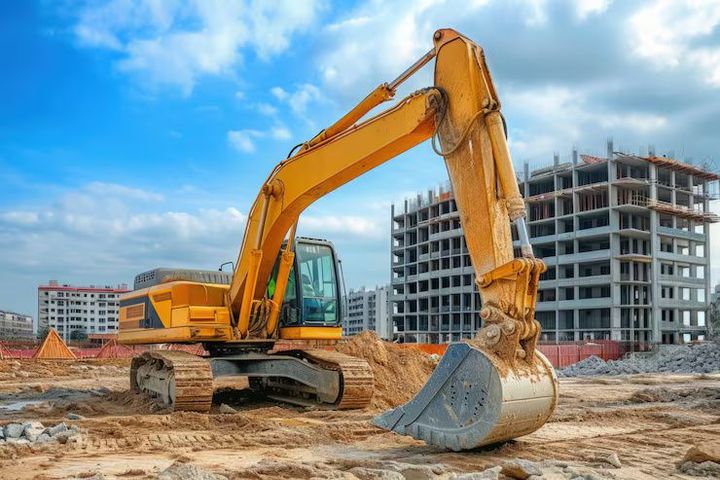
Excavators are commonly used for digging, trenching, demolition, and material handling. Wheel loaders and skid-steer loaders are frequently used for moving loose materials, while bulldozers are designed for pushing and spreading soil or other materials.
Cranes provide controlled lifting and placement of heavy loads. Motor graders are used for shaping and finishing surfaces, while rollers compact soil, gravel, asphalt, and other materials. Concrete mixers, pumps, and batching equipment support concrete preparation and placement.
Importance
Construction equipment affects how materials are moved, how ground is prepared, and how structural or infrastructure work is carried out. Appropriate machinery can help organize repetitive physical tasks and reduce the amount of manual handling required for certain operations.
Construction equipment is used in residential construction, commercial buildings, highways, bridges, rail projects, mining-related infrastructure, utility installation, ports, and public works. The machinery required varies according to project size, terrain, material, working conditions, and construction method.
Applications of Construction Equipment
Different machines are associated with different activities. Excavators can create foundations, trenches, drainage channels, and utility paths. Bulldozers can move soil and clear certain types of terrain, while graders can establish controlled surface profiles.
Cranes are used to position structural components and other loads. Loaders can transfer aggregates and excavated material, while dump trucks transport materials between different areas of a project.
Construction machinery is also used for road development. Graders establish surface profiles, rollers compact prepared layers, and asphalt equipment supports pavement placement and finishing.
Construction Equipment Capacity
Capacity describes the amount of material, weight, volume, or work a machine is designed to handle under specified conditions. It should not be interpreted as a single universal figure because capacity depends on machine configuration and operating conditions.
For example, excavators are often described using operating weight, bucket capacity, digging depth, and lifting specifications. Wheel loaders may be evaluated using bucket capacity, operating weight, rated load, and engine output. Cranes are commonly assessed using rated lifting capacity, boom configuration, radius, and load-chart information.
| Equipment | Common Capacity Considerations | Typical Applications |
|---|---|---|
| Excavator | Bucket capacity, operating weight, lift capacity | Digging and trenching |
| Wheel loader | Bucket capacity, rated load | Material loading |
| Bulldozer | Blade size, operating weight | Earthmoving and grading |
| Crane | Rated load, radius, boom configuration | Lifting materials |
| Motor grader | Blade dimensions, operating weight | Surface grading |
| Roller | Drum width, operating weight | Ground compaction |
| Dump truck | Payload capacity, body volume | Material transport |
| Concrete mixer | Drum volume, output | Concrete preparation |
Actual specifications should always be taken from the machine manufacturer's technical documentation and applicable load charts.
Recent Updates
Construction equipment has increasingly incorporated electronic controls, telematics, automation, improved operator-assistance systems, and alternative power technologies. These developments are part of a broader shift toward connected and data-driven construction operations.
Telematics systems can collect information about equipment location, operating hours, fuel or energy use, machine status, and selected performance indicators. Site managers can use this information to understand equipment utilization and maintenance requirements.
Automation and Operator Assistance
Some modern machines include automated grading systems, machine-control technology, proximity detection, cameras, and electronic monitoring. These systems can provide additional information to operators and support specific construction tasks.
Automation does not eliminate the need for trained operators. Machine capabilities, site conditions, system limitations, and manufacturer instructions remain important considerations.
Electrification and Alternative Power
Battery-electric construction equipment has also received increasing attention, particularly for compact machinery and applications where lower local emissions and reduced engine noise may be relevant. Larger construction machines continue to use a mixture of conventional engines, hybrid systems, and emerging alternative power technologies.
The suitability of an energy system depends on machine size, operating cycle, charging or refueling infrastructure, environmental conditions, and project requirements.
Connected Construction Sites
Construction sites are increasingly integrating machinery data with digital project-management systems. Equipment information can be combined with site maps, work schedules, maintenance records, and productivity data.
These developments can improve visibility into machine activity, although the usefulness of connected systems depends on data quality, network availability, software compatibility, and proper implementation.
Laws or Policies
Construction equipment is subject to workplace safety rules, environmental requirements, road-transport regulations, and equipment-specific standards. The exact requirements depend on the country, type of machine, worksite, and activity.
In India, occupational safety requirements are addressed through the Occupational Safety, Health and Working Conditions Code, 2020 and related rules and regulatory frameworks. Requirements can cover areas such as workplace safety, worker training, hazardous conditions, welfare facilities, and employer responsibilities.
Machine Safety Requirements
Equipment operators generally need appropriate training and authorization for the machines they operate. Worksites may also require procedures for inspection, maintenance, load handling, traffic movement, and emergency response.
Lifting equipment requires particular attention because its safe working limits can change according to load radius, boom configuration, ground conditions, attachment selection, and other operating factors. Load charts and manufacturer instructions should be followed for the specific machine.
Environmental Considerations
Construction equipment can produce exhaust emissions, noise, dust, vibration, and other environmental impacts. Applicable environmental rules may regulate emissions, noise levels, waste handling, and site operations.
Local authorities may impose additional requirements depending on the project location. Construction organizations should therefore review the rules applicable to their specific site and activity.
Tools and Resources
Several resources can help users understand and evaluate construction equipment.
Manufacturer Specifications
Technical specifications provide information about operating weight, dimensions, engine or motor characteristics, attachment compatibility, capacity, travel speed, hydraulic performance, and operating limitations. These documents are important when comparing equipment configurations.
Load Charts
Crane load charts provide rated capacities for particular boom lengths, working radii, configurations, and site conditions. They are essential references for determining whether a lifting operation falls within the machine's specified limits.
Equipment Inspection Checklists
Inspection checklists can help document the condition of tires, tracks, hydraulic systems, brakes, steering, attachments, guards, warning devices, lights, and other components. Inspection requirements differ according to equipment type and applicable workplace rules.
Productivity Calculations
Basic construction equipment calculations may consider:
- Material volume
- Bucket or body capacity
- Operating cycle time
- Travel distance
- Loading and unloading time
- Ground conditions
- Machine utilization
- Number of operating cycles
For example, theoretical hourly output can be estimated from material handled per cycle and the number of completed cycles. Actual output may be lower because of loading delays, repositioning, traffic, operator activity, terrain, and other site conditions.
Equipment Selection Table
| Selection Factor | What to Consider |
| Application | Digging, lifting, grading, hauling, or compaction |
| Capacity | Required load, volume, or working range |
| Site conditions | Soil, slope, access, terrain, and ground strength |
| Dimensions | Available working and transportation space |
| Attachments | Buckets, forks, breakers, augers, blades, or other tools |
| Power system | Engine, battery, hybrid, or other configuration |
| Operator requirements | Controls, visibility, training, and ergonomics |
| Safety features | Guards, alarms, cameras, stability systems, and monitoring |
| Maintenance | Inspection access and maintenance requirements |
| Regulations | Applicable workplace, environmental, and transport rules |
FAQs
What is construction equipment?
Construction equipment consists of machines and mechanical systems used for activities such as excavation, lifting, grading, transportation, compaction, drilling, demolition, and concrete handling.
What are the main types of construction equipment?
Major categories include excavators, bulldozers, loaders, cranes, motor graders, rollers, dump trucks, concrete equipment, drilling machines, and demolition equipment. Some machines can perform multiple tasks through interchangeable attachments.
How is construction equipment capacity determined?
Capacity depends on the machine type and configuration. Factors may include bucket volume, payload, rated lifting capacity, operating weight, working radius, attachment, material density, and site conditions.
What safety features are found on construction equipment?
Common safety features include protective structures, guards, alarms, lights, cameras, mirrors, seat restraints, emergency controls, load indicators, stability systems, and operator-monitoring functions. The features available depend on the machine.
What should be considered when selecting construction equipment?
Selection typically considers the intended application, required capacity, site conditions, machine dimensions, attachments, operating range, safety requirements, operator qualifications, maintenance needs, environmental conditions, and applicable regulations.
Conclusion
Construction equipment includes a wide range of machines designed for excavation, lifting, grading, material handling, compaction, transportation, and other construction activities. Equipment capacity and performance depend on machine configuration, operating conditions, attachments, and the specific task. Recent developments include greater use of telematics, automation, operator-assistance technology, and alternative power systems. Safe operation depends on appropriate training, equipment inspections, manufacturer instructions, load limits, and applicable workplace regulations.