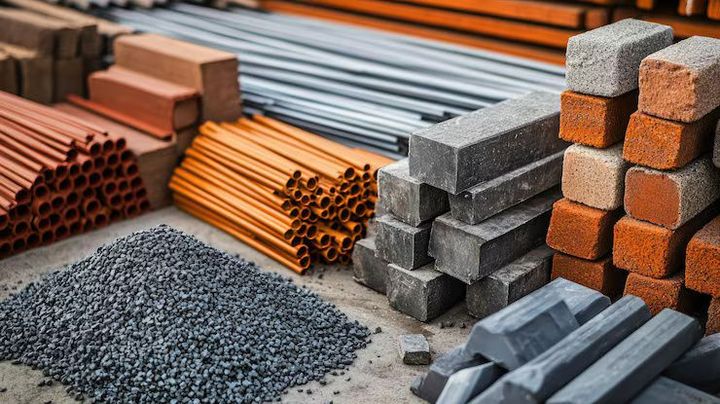
Construction materials are essential for building any structure, providing strength, durability, and functionality. Each material has unique properties that determine how it performs under different conditions such as load, weather, and time.
In modern construction, materials are selected based on performance, sustainability, and compatibility with advanced techniques. These choices directly impact the safety and efficiency of buildings.
Key Factors in Material Selection
Several important factors influence the choice of construction materials:
-
Structural strength and load-bearing capacity
-
Resistance to environmental conditions
-
Thermal and acoustic insulation properties
-
Sustainability and environmental impact
-
Compatibility with modern construction methods
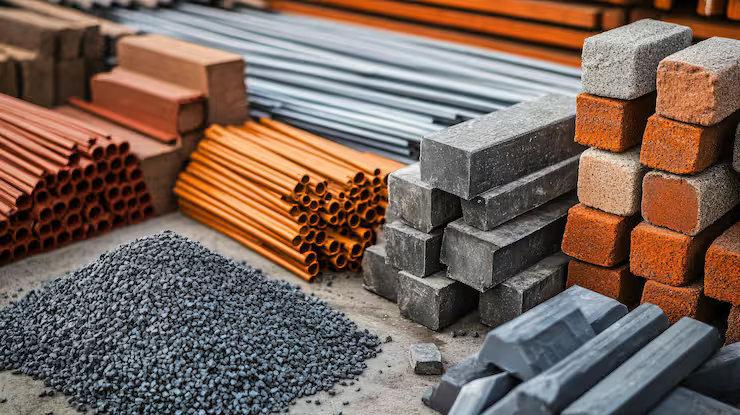
Why Construction Materials Matter Today
Construction materials play a vital role in infrastructure development, urbanization, and economic growth. As cities expand and populations grow, the demand for reliable and efficient materials continues to increase.
They impact multiple stakeholders, including engineers, architects, construction professionals, governments, and property owners. Each group relies on materials to ensure safety, durability, and long-term performance.
Modern Challenges in Construction
Today’s construction industry faces several challenges that materials help address:
-
Climate change and environmental sustainability
-
Energy efficiency in buildings
-
Need for resilient infrastructure
-
Urban density and space optimization
How Materials Solve These Challenges
Construction materials contribute to solving these issues by enabling:
-
Stronger and longer-lasting structures
-
Reduced environmental impact through sustainable options
-
Improved insulation for energy-efficient buildings
-
Safer buildings that meet regulatory standards
Key Types of Construction Materials
Construction materials can be broadly categorized based on their composition and usage.
Natural Materials
Natural materials are widely used in traditional construction and are valued for their availability and environmental compatibility.
Manufactured Materials
Manufactured materials are engineered to meet specific performance requirements and are commonly used in modern construction.
-
Concrete
-
Steel
-
Bricks
-
Glass
-
Plastics
Comparison of Common Materials
| Material | Strength Level | Durability | Common Uses |
|---|
| Concrete | High | High | Foundations, buildings |
| Steel | Very High | High | Structural frameworks |
| Wood | Moderate | Moderate | Residential construction |
| Glass | Low | Moderate | Windows, facades |
| Bricks | High | High | Walls, pavements |
Important Properties of Construction Materials
Understanding material properties is essential to ensure safety and performance in construction projects.
Key Material Properties
-
Compressive Strength: Ability to withstand heavy loads
-
Tensile Strength: Resistance to stretching or pulling forces
-
Durability: Resistance to wear, weather, and time
-
Thermal Conductivity: Ability to transfer heat
-
Density: Affects weight and structural stability
-
Fire Resistance: Ability to withstand high temperatures
Engineers analyze these properties carefully to select suitable materials for different applications.
Recent Updates and Industry Trends (2025)
The construction materials industry has seen significant advancements in 2025, driven by sustainability and technology.
Growth of Sustainable Materials
Eco-friendly materials such as recycled concrete, bamboo, and low-carbon cement are increasingly adopted. These options help reduce environmental impact and support green construction practices.
Smart Materials and Innovation
New materials with self-healing capabilities and enhanced durability are being developed. These innovations improve the lifespan and performance of structures.
Digital Construction Technologies
Technologies like Building Information Modeling (BIM) and digital twins are widely used to simulate material performance before construction begins.
Energy-Efficient Materials
Materials designed for better insulation and reduced energy consumption are becoming standard in both residential and commercial buildings.
Government Infrastructure Investments
Global investments in infrastructure projects have increased demand for high-performance construction materials.
Laws and Policies Affecting Construction Materials
Construction materials are regulated to ensure safety, quality, and environmental protection.
Regulations in India
-
Bureau of Indian Standards (BIS) for material quality
-
National Building Code (NBC) for construction guidelines
-
Environmental regulations for sustainability
-
Energy efficiency codes for reduced consumption
Global Standards
-
ISO standards for testing and quality
-
LEED certification for sustainable buildings
-
European CE marking for construction products
These regulations ensure that materials meet required safety and performance standards.
Tools and Resources for Construction Materials
Various tools help professionals and learners work efficiently with construction materials.
Design and Planning Tools
-
BIM software for building modeling
-
CAD tools for design
-
Structural analysis software
Material Calculators
-
Concrete volume calculators
-
Steel weight estimation tools
-
Brick quantity calculators
Online Resources
-
Government building code websites
-
Engineering research platforms
-
Construction material databases
Data Management Tools
-
Digital twin platforms
-
Project management dashboards
-
Material tracking systems
Material Selection Workflow
| Step | Description |
|---|
| Requirement Analysis | Identify structural needs |
| Material Selection | Choose suitable materials |
| Testing | Evaluate performance |
| Compliance Check | Ensure regulations are met |
| Implementation | Use materials in construction |
Frequently Asked Questions
What are the most commonly used construction materials?
Concrete, steel, wood, bricks, and glass are the most widely used materials in modern construction.
Why is concrete so popular?
Concrete is durable, strong, and versatile. It can be molded into different shapes and offers excellent load-bearing capacity.
What makes a material sustainable?
Sustainable materials have low environmental impact and often use recycled or renewable resources.
How do engineers choose materials?
They consider strength, durability, environmental conditions, and regulatory requirements.
What role does technology play?
Technology helps in designing, testing, and efficiently using construction materials in projects.
Additional Insights on Modern Building Uses
Modern construction materials are increasingly designed for specific applications and performance needs.
Examples of Modern Material Applications
-
High-strength concrete for skyscrapers
-
Lightweight materials for prefabricated buildings
-
Fire-resistant materials for safety-critical structures
-
Insulated panels for energy-efficient homes
Trend Analysis in Construction Materials
| Trend | Impact on Construction |
|---|
| Sustainable Materials | Reduced environmental footprint |
| Smart Materials | Improved durability and lifespan |
| Digital Integration | Better planning and efficiency |
| Prefabrication | Faster construction timelines |
Conclusion
Construction materials form the foundation of modern infrastructure and building design. From traditional options like wood and stone to advanced smart materials, each plays a crucial role in shaping the built environment.
As construction demands evolve, the focus on sustainability, efficiency, and safety continues to grow. Understanding these materials helps professionals and individuals make informed decisions, ensuring durable and environmentally responsible structures.