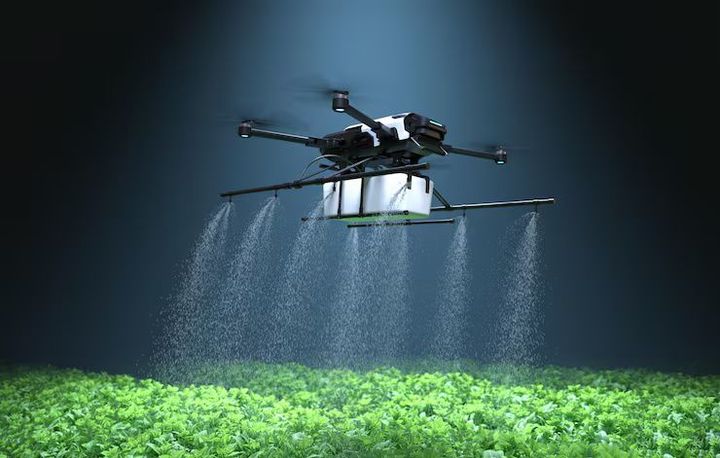
Crop Sprayer Drone Rentals Tips for Efficient and Modern Precision Farming
Crop sprayer drones are unmanned aerial systems designed to distribute fertilizers, pesticides, and nutrients across agricultural fields with high precision. These drones are part of a broader movement known as precision agriculture, where digital technologies help farmers monitor crops, analyze field conditions, and improve productivity.
The concept of using aerial tools in farming has existed for decades through aircraft-based crop spraying. However, drone technology has introduced a more precise, data-driven, and flexible approach. Crop sprayer drones are equipped with GPS navigation, automated flight planning, and adjustable spraying systems for targeted application.
In modern farming systems, drones are used to cover difficult terrain, uneven fields, or areas where traditional equipment struggles. Their compact design and programmable routes enable consistent coverage while reducing excessive chemical use.
Key Components of Crop Sprayer Drones
Typical components of a crop sprayer drone include:
- GPS navigation and autopilot systems
- Liquid tanks for agricultural chemicals or nutrients
- Adjustable spray nozzles
- Terrain-following radar sensors
- Flight control software for automated operations
These technologies support smart farming practices and enable data-driven agricultural decisions.
Why Crop Sprayer Drones Matter in Modern Farming
Agriculture faces increasing pressure to improve productivity while using resources efficiently. Crop sprayer drones help address challenges such as labor shortages, uneven farmland, and climate-related crop stress.
Their importance has grown due to several factors:
- Rising demand for efficient crop management
- Increasing adoption of digital agriculture technologies
- Growing awareness of environmental sustainability
- Need for precision pesticide and fertilizer application
Drone-based spraying improves efficiency by reaching areas inaccessible to tractors or manual sprayers. For example, rice paddies, orchards, vineyards, and steep farmland benefit significantly.
Comparison of Spraying Methods
| Method | Coverage | Control | Terrain Flexibility | Chemical Precision |
|---|---|---|---|---|
| Manual Spraying | Moderate | High | Limited | Low |
| Tractor Sprayers | High | Low | Moderate | Moderate |
| Drone Crop Spraying | Very High | Very High | High | High |
Drone spraying also reduces excessive chemical use by targeting only affected areas, supporting sustainable farming practices.
Recent Developments in Agricultural Drone Technology
Recent advancements have accelerated the adoption of crop sprayer drones worldwide. In 2025, improved models with larger payload capacities and longer flight times were introduced, enabling coverage of larger fields.
Several key trends have emerged:
- Increased integration of AI-powered crop monitoring systems
- Advanced terrain-following radar for improved accuracy
- Improved battery efficiency and faster charging
- Integration with satellite-based agricultural platforms
In March 2025, research institutes highlighted the role of drones in managing climate-related crop stress. Drone imaging systems help detect diseases early and enable faster intervention.
Technology Trends in 2024–2025
| Technology Feature | Adoption Trend |
|---|---|
| AI Crop Detection | Increasing |
| Autonomous Flight Routes | Increasing |
| Precision Spraying Systems | Increasing |
| Integrated Farm Data Platforms | Rapid Growth |
These developments indicate a strong shift toward automation and smart agriculture systems.
Regulations and Government Policies Affecting Agricultural Drones
Crop sprayer drones operate under aviation and agricultural regulations to ensure safe use. Many countries have established guidelines related to drone operations, including weight limits, altitude, and certification.
In India, drones are regulated under the Drone Rules 2021 introduced by the Ministry of Civil Aviation. These rules simplified the use of drones in agriculture and other sectors.
Key Regulatory Requirements
- Mandatory registration on the Digital Sky platform
- Unique Identification Number (UIN) for drones
- Flight permissions in designated zones
- Safety guidelines for agricultural spraying
Government initiatives in 2024 and 2025 have also promoted drone usage through demonstrations and modernization programs.
Globally, regulations typically include:
- Maximum drone altitude limits
- Visual line-of-sight requirements
- Safety buffers around populated areas
- Operator certification
Environmental regulations may also guide pesticide usage and sustainable practices.
Helpful Tools and Resources for Agricultural Drone Operations
Crop sprayer drones are part of a broader digital farming ecosystem. Various tools help manage operations, improve efficiency, and enhance decision-making.
Useful tools include:
- Farm management software platforms
- Drone flight planning applications
- Precision agriculture mapping tools
- Weather forecasting platforms
- Crop health monitoring software
Supporting Technologies
Common technologies used alongside drones include:
- GPS mapping systems
- Geographic Information Systems (GIS)
- Satellite crop monitoring platforms
- NDVI vegetation analysis tools
Tools and Their Purpose
| Tool Type | Purpose |
|---|---|
| Drone Flight Planning Apps | Design automated flight routes |
| Crop Monitoring Platforms | Track crop health using aerial images |
| Weather Analysis Tools | Support safe spraying conditions |
| Precision Agriculture Software | Manage field data and treatment plans |
Farmers also rely on research publications, extension programs, and government resources to stay updated on advancements.
Frequently Asked Questions
What is a crop sprayer drone?
A crop sprayer drone is an unmanned aerial system used to apply fertilizers, pesticides, or nutrients over farmland using automated flight technology.
How do drones improve precision agriculture?
Drones use GPS mapping and sensors to identify specific areas requiring treatment. This targeted approach improves efficiency and reduces unnecessary chemical use.
Can crop sprayer drones operate on all types of farmland?
They are especially useful for uneven terrain, orchards, vineyards, and hard-to-access fields where traditional equipment is less effective.
What data do agricultural drones collect?
Drones collect aerial images, crop health indicators, vegetation index data, and field mapping information.
Are agricultural drones affected by weather conditions?
Yes, factors such as wind, rainfall, and extreme temperatures can impact flight safety and spraying accuracy.
Conclusion
Crop sprayer drones represent a significant advancement in modern agriculture. They provide a practical way to manage crops with greater precision and efficiency.
Recent developments in AI, automation, and smart farming platforms have expanded their capabilities. At the same time, regulations ensure safe and responsible use.
By integrating drones with satellite monitoring, precision mapping, and farm management systems, agricultural professionals can respond more effectively to challenges. As global agriculture evolves, drone technology is expected to remain a key component of precision farming systems.